Quick Answer: If you’re staring at your fish thinking “what is it? Is she sick?” — you’re probably right to be concerned. Unusual appearance or behavior almost always signals one of a handful of problems: water quality issues, parasites, bacterial infection, or (in female livebearers) pregnancy. The good news is that catching it early dramatically improves the odds of a full recovery.
What Is It? Is She Sick? — How to Read the Signs
Most fish can’t tell you they feel off, but their bodies and behavior do the talking. Here’s a quick-reference checklist of symptoms that warrant immediate attention:
- White spots (like grains of salt) on the body or fins
- Bloating or a swollen, rounded abdomen
- Clamped fins held tight against the body
- Frayed or disappearing fins
- Lethargy — sitting on the bottom or hovering near the surface
- Loss of appetite — refusing food for more than a day or two
- Abnormal swimming — floating sideways, sinking, or spinning
One or two of these symptoms together usually points toward a specific condition. The sections below will help you narrow it down.
Which Species Are Most Often Affected
The fish most commonly at the center of a “is she sick?” search are bettas, fancy goldfish, guppies, and mollies — all popular beginner fish with distinct health vulnerabilities. Bettas and livebearers (guppies, mollies, platies) are frequently sexed by their owners, which is why the “she” in that search query is so telling. Female livebearers in particular are often mistaken for sick fish when they’re actually pregnant.
Identifying Your Fish — Because Diagnosis Starts Here
Species identity is the foundation of accurate diagnosis. The same symptom — say, a swollen belly — can mean constipation in a betta, swim bladder disorder in a goldfish, or pregnancy in a guppy. Getting the identification right first saves you from treating the wrong problem.
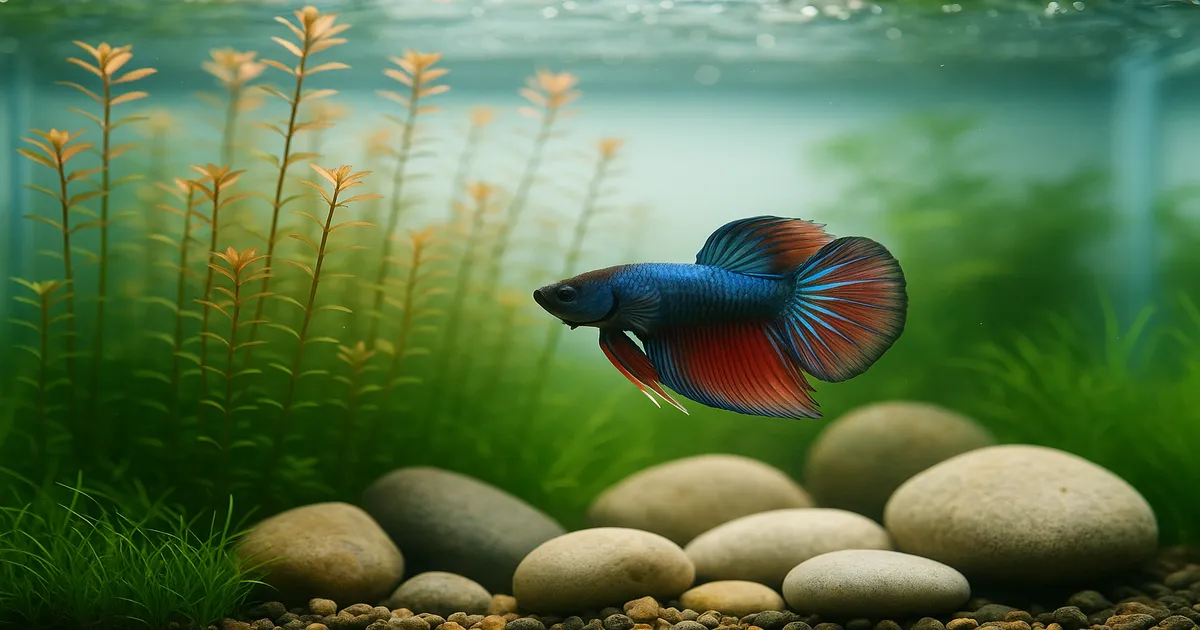
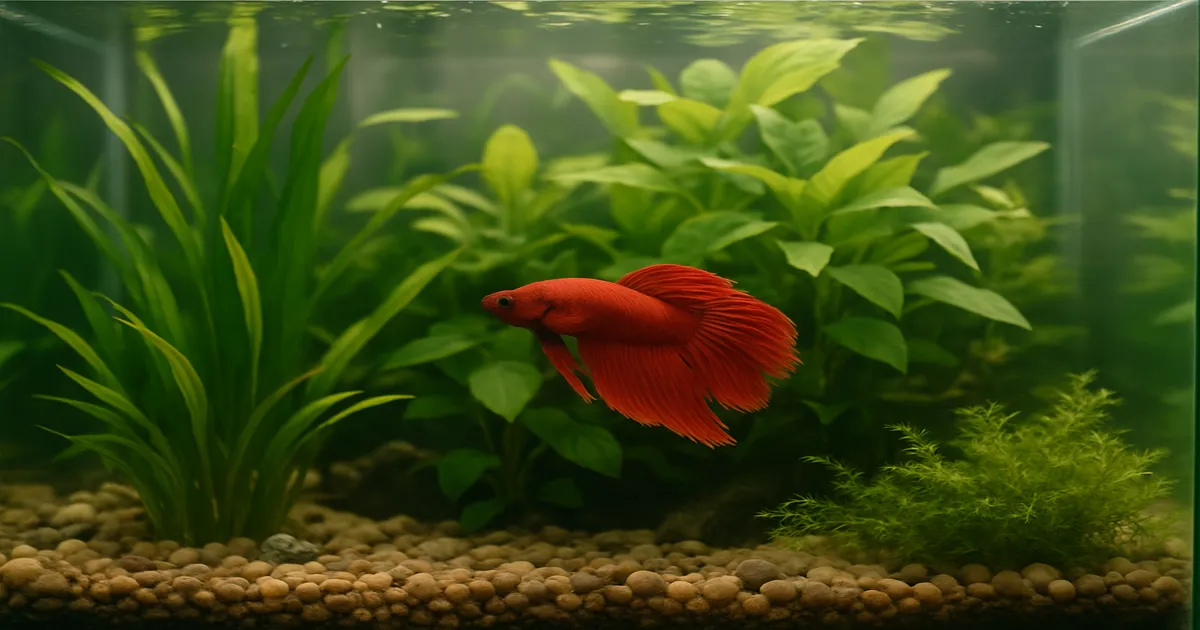
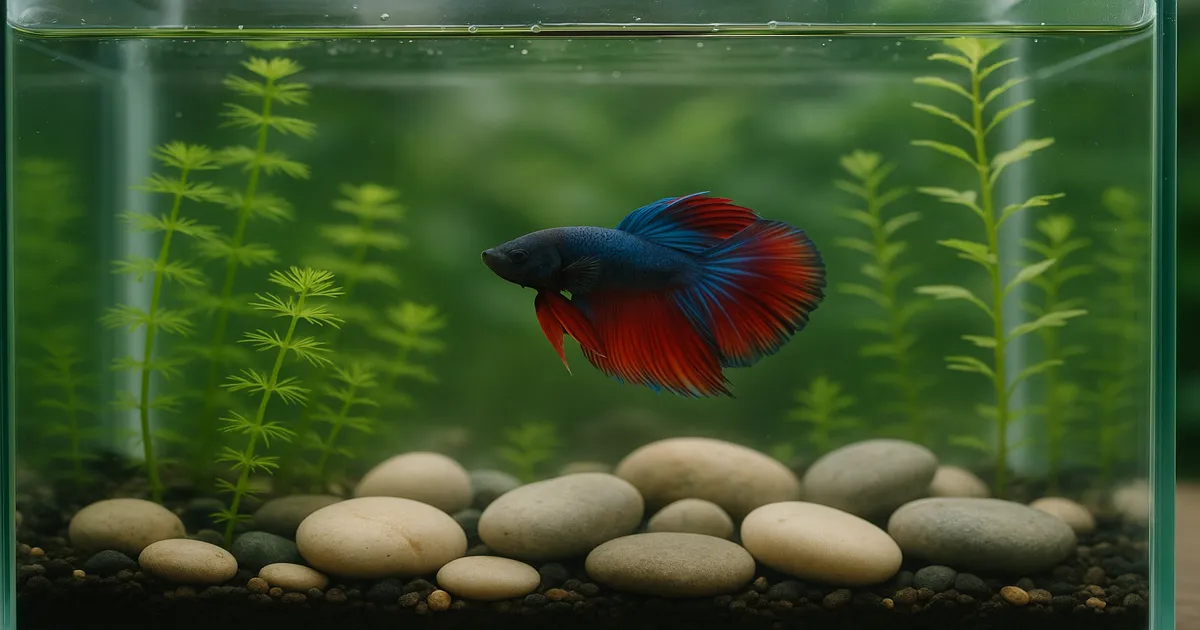
Betta splendens (Siamese Fighting Fish) Bettas come from the slow-moving rice paddies and streams of Thailand and Southeast Asia. They’re labyrinth fish, meaning they breathe atmospheric air directly — you’ll see them surface regularly. Females are smaller than males, with shorter fins and a visible white “egg spot” (ovipositor) near the ventral fin. Lifespan is typically 2–5 years. Common health concerns include fin rot, bloating, and constipation.
Fancy Goldfish (Carassius auratus) Fancy goldfish — Orandas, Ryukins, Ranchus, Telescopes, Bubble Eyes — are selectively bred descendants of wild carp with over 1,000 years of domestication behind them. Their compressed, rounded body shapes make them uniquely prone to swim bladder disorders. They’re cold-water fish that can live 10–15+ years with proper care, but they’re also heavy waste producers, which makes water quality management critical.
Guppy (Poecilia reticulata) Guppies come from warm, hard, alkaline streams in Trinidad and Venezuela. Females are larger and plainer than the colorful males, and they carry live young — making pregnancy one of the most common reasons owners think their female guppy is sick. Lifespan is 1–3 years.
Molly (Poecilia sphenops) Mollies originate from coastal Central American waters, often brackish environments, which is why they tolerate — and often thrive with — a small amount of aquarium salt. Like guppies, females are easily distinguished from males and can appear dramatically bloated when pregnant. Lifespan is 3–5 years.
Platies, Swordtails, and Angelfish Platies and swordtails share the same livebearer biology as guppies and mollies, so the pregnancy-vs-illness confusion applies equally. Angelfish are often kept in bonded pairs and closely monitored, making owners quick to notice any change.
Water Quality: The Root Cause of Most Fish Illness
Here’s the uncomfortable truth: the majority of “is she sick?” scenarios trace back to water quality. Bad water doesn’t just stress fish — it directly suppresses their immune systems and creates the conditions where parasites and bacteria thrive.
Ideal Water Parameters by Species
Betta splendens
| Parameter | Ideal Range |
|---|---|
| pH | 6.5–7.5 |
| GH | 5–15 dGH |
| Temperature | 78–82°F (25–28°C) |
| Ammonia | 0 ppm |
| Nitrite | 0 ppm |
| Nitrate | <20 ppm |
Fancy Goldfish
| Parameter | Ideal Range |
|---|---|
| pH | 7.0–7.8 |
| GH | 8–16 dGH |
| Temperature | 65–72°F (18–22°C) |
| Ammonia | 0 ppm |
| Nitrite | 0 ppm |
| Nitrate | <20 ppm |
Guppy
| Parameter | Ideal Range |
|---|---|
| pH | 7.0–7.8 |
| GH | 10–20 dGH |
| Temperature | 72–82°F (22–28°C) |
| Ammonia | 0 ppm |
| Nitrite | 0 ppm |
| Nitrate | <20 ppm |
Molly
| Parameter | Ideal Range |
|---|---|
| pH | 7.5–8.5 |
| GH | 15–30 dGH |
| Temperature | 76–82°F (24–28°C) |
| Ammonia | 0 ppm |
| Nitrite | 0 ppm |
| Nitrate | <20 ppm |
How Poor Water Quality Triggers Disease
The nitrogen cycle converts toxic fish waste (ammonia) into less harmful compounds via beneficial bacteria. A tank that hasn’t fully cycled — or one disrupted by overfeeding, overstocking, or a filter crash — will spike ammonia and nitrite to dangerous levels. Even low-level chronic exposure burns gill tissue, damages the slime coat, and opens the door to bacterial and parasitic infection.
Goldfish are especially vulnerable because they produce far more waste than comparably sized tropical fish. Mollies suffer in soft, acidic water. Bettas are highly sensitive to temperature swings. Every species has its weak point.
Don’t guess at your parameters. Test with a liquid test kit — strips are notoriously inaccurate. Ammonia and nitrite must always read 0 ppm. If either registers anything above zero, that’s your first problem to solve before treating for anything else.
Tank Setup: Environmental Stressors That Cause Illness
Minimum Tank Size Requirements
- Betta: 5 gallons minimum; 10+ gallons for females
- Fancy Goldfish: 20 gallons for one fish, plus 10 gallons per additional fish
- Guppy: 10 gallons for a small group
- Molly: 20 gallons — they’re active swimmers and need the room
Undersized tanks accumulate waste rapidly, spike ammonia faster, and create chronic stress. That 1-gallon betta bowl isn’t a home — it’s a slow illness incubator.
Filtration and Flow
Bettas need a sponge filter or a baffled hang-on-back filter — strong flow stresses them, shreds their fins, and exhausts them. A quality sponge filter is inexpensive and ideal for betta tanks. Goldfish need oversized filtration running at 8–10× the tank volume per hour. Guppies and mollies do well with gentle to moderate flow.
Substrate, Decor, and Hiding Spots
Sharp plastic plants are a frequent cause of fin tears, which then become entry points for bacterial infection. Use silk or live plants for bettas. Goldfish need smooth substrate — they forage along the bottom and can injure themselves on sharp gravel. All species benefit from hiding spots; a fish with nowhere to retreat is a chronically stressed fish.
Temperature Stability
Temperature swings are particularly dangerous for bettas — even a few degrees overnight can trigger ich or bacterial infections. Use a reliable heater and verify it with a separate thermometer, since heater thermostats can drift. Goldfish prefer cool, stable temperatures and should never share a tank with tropical species that need 78–82°F.
Is She Sick? Recognising Common Fish Diseases
Ich (White Spot Disease)
Severity: Moderate — but rapidly fatal if untreated
Ich (Ichthyophthirius multifiliis) is probably the most common disease in the hobby. You’ll see tiny white spots that look exactly like grains of salt scattered across the fins and body. Infected fish often flash (rub against surfaces) and may show clamped fins or labored breathing.
Treatment:
- Raise temperature gradually to 82–86°F (28–30°C) to speed up the parasite’s life cycle — this is the window when it’s vulnerable to medication
- Treat with an ich medication (Kordon Rid-Ich Plus) per label instructions
- Continue the full course even if spots disappear early
- ⚠️ Do not use copper-based treatments in tanks with snails, shrimp, or other invertebrates
Quarantine new fish for 2–4 weeks before adding them to an established tank. This single step prevents most ich outbreaks.
Fin Rot
Severity: Mild to Severe depending on progression
Fin rot is almost always a consequence of poor water quality or physical damage that gets infected by opportunistic bacteria (Aeromonas, Pseudomonas). The fins look ragged or frayed, often with dark or reddened edges. In advanced cases, the rot works toward the body — at that point it becomes life-threatening.
Treatment:
- Do an immediate water change and correct any parameter issues
- Mild cases: API Fin & Body Cure
- Moderate to severe cases: Seachem Kanaplex or API Furan-2
- Remove any sharp decorations that may have caused the initial damage
Bloating and Dropsy
Severity: Severe — poor prognosis once pineconing occurs
Dropsy isn’t a single disease — it’s a symptom of severe internal organ failure, usually bacterial. The hallmark sign is scales that stick out from the body like a pinecone when viewed from above, combined with a dramatically swollen abdomen. By the time pineconing is visible, the kidneys are usually failing. Treatment with Seachem Kanaplex in food (when the fish is still eating) offers the best chance, but recovery rates are low. Isolate the fish immediately.
Swim Bladder Disorder
Severity: Mild to Moderate — often manageable
A fish that floats at the surface, sinks to the bottom, or swims at an angle has a swim bladder problem. In fancy goldfish, this is often genetic or related to their compressed body shape. In bettas, it’s usually caused by overfeeding or constipation.
First aid:
- Fast the fish for 24–48 hours
- Offer a small piece of blanched, skinned pea — the fiber helps relieve constipation
- Ensure temperature is stable and correct
- If no improvement after 3–5 days, consider Kanaplex in case of internal bacterial infection
Velvet Disease
Severity: Severe — spreads rapidly
Velvet (Oodinium pilularis) looks like the fish has been dusted with gold or rust-colored powder — easiest to spot under a flashlight. Fish will flash aggressively and may show rapid gill movement. Treat with Seachem ParaGuard and dim the tank lights during treatment, as the parasite is photosynthetic.
Columnaris (Saddleback Disease)
Severity: Moderate to Severe — can kill within days
Columnaris (Flavobacterium columnare) appears as white or grey patches, often with a saddle-shaped lesion near the dorsal fin. It’s bacterial and spreads quickly, especially in warmer water. Treat with API Furan-2 or Seachem Kanaplex and improve water quality immediately.
Internal Parasites
Severity: Moderate
A fish that eats well but steadily loses weight, develops a hollow belly, or passes white stringy feces likely has internal parasites. Seachem ParaGuard is a good first-line treatment. For stubborn cases, Repashy gel food medicated with Levamisole or Praziquantel is often more effective.
Pregnancy vs. Illness in Female Livebearers
This is one of the most common beginner confusions — a pregnant guppy or molly can look alarmingly bloated. Here’s how to tell the difference:
Signs of pregnancy:
- Gradual, symmetrical abdominal swelling over several weeks
- Dark gravid spot near the anal fin (developing fry visible through the skin)
- Normal behavior, appetite, and coloration
- Squarish, boxy belly shape as the pregnancy progresses
Signs of illness (dropsy or internal parasites):
- Rapid onset of swelling
- Scales lifting away from the body (pineconing)
- Lethargy, clamped fins, loss of appetite
- No gravid spot, or gravid spot present alongside other symptoms
When in doubt, watch and wait 24 hours while testing your water. A healthy pregnant fish will keep eating and behaving normally.
Feeding Correctly to Prevent Illness
Overfeeding is one of the top causes of constipation, bloating, swim bladder disorders, and the water quality crashes that trigger bacterial outbreaks. Feed small amounts and remove uneaten food within a few minutes.
Betta: High-protein betta pellets (Hikari Betta Bio-Gold, Fluval Bug Bites Betta) as a staple, supplemented with frozen or live bloodworms, daphnia, and brine shrimp. Feed 2–3 small meals daily and fast one day per week. Avoid freeze-dried foods unless pre-soaked — they expand in the stomach and cause constipation.
Fancy Goldfish: Sinking pellets or gel food to prevent air ingestion at the surface, which directly worsens swim bladder issues. Supplement with blanched peas, zucchini, and spinach. Feed only what they consume in 2–3 minutes.
Guppy: High-quality micro pellets or crushed flakes, supplemented with baby brine shrimp, daphnia, and spirulina flakes. Both sexes need plant matter for digestive health — don’t rely on protein-heavy foods alone.
Molly: Herbivore-leaning flakes or pellets, algae wafers, blanched vegetables, and occasional brine shrimp. Mollies graze constantly in the wild; variety matters.
Compatibility and Stress: How Tankmates Make Fish Sick
Chronic stress from incompatible tankmates is a leading indirect cause of disease. A stressed fish produces elevated cortisol, which suppresses immune function — leaving it wide open to infections it would otherwise fight off easily.
Female Betta Sorority Tanks: Female bettas can coexist, but only in groups of 5 or more in a heavily planted tank of 20+ gallons minimum. Smaller groups almost always result in one or two fish being relentlessly targeted. Signs of bullying — clamped fins, hiding, pale coloration, not eating — can look identical to disease symptoms.
Goldfish: Never keep goldfish with tropical fish. The temperature requirements simply don’t overlap. Within the goldfish world, avoid mixing fancy varieties (slow, round-bodied) with single-tailed varieties like commons or comets — the faster fish will outcompete the fancy ones for food every time.
Livebearer Ratios: Male guppies are relentless. Without enough females to distribute their attention, individual females become chronically harassed — causing stress, immune suppression, and eventually physical injury. Maintain a ratio of at least 2–3 females per male. In molly tanks, the same rule applies.
FAQ: “What Is It? Is She Sick?”
Q: My fish is just sitting at the bottom — is she sick or sleeping? A: It depends. Bettas and some other fish do rest near the bottom occasionally, but if it’s persistent, combined with clamped fins or loss of appetite, treat it as a symptom. Test your water first — ammonia or nitrite above 0 ppm is the most common culprit.
Q: My female guppy looks huge. Is she pregnant or sick? A: Check for a dark gravid spot near the anal fin and observe her behavior. A pregnant guppy eats normally and stays active. A sick fish typically shows lethargy, clamped fins, or loss of appetite. If her scales are lifting away from her body, that’s dropsy — not pregnancy.
Q: How quickly do I need to act if I think my fish is sick? A: Fast. Many diseases — especially ich, velvet, and columnaris — progress rapidly. Test your water the same day, isolate the fish if possible, and identify the disease before medicating. Treating with the wrong medication wastes time and can stress the fish further.
Q: Can I treat my main tank, or do I need a quarantine tank? A: A quarantine tank is always preferable. Medicating the main tank can kill beneficial bacteria, harm invertebrates, and disrupt the nitrogen cycle. A simple 10-gallon spare tank with a sponge filter is enough for most treatments.
Q: My fish looks fine but isn’t eating. Should I be worried? A: One skipped meal is rarely cause for alarm. Two or more days of refusing food — especially combined with any other symptom — warrants investigation. Check water parameters, look for subtle signs like clamped fins or faded color, and consider whether anything changed recently (new fish, new food, temperature shift).