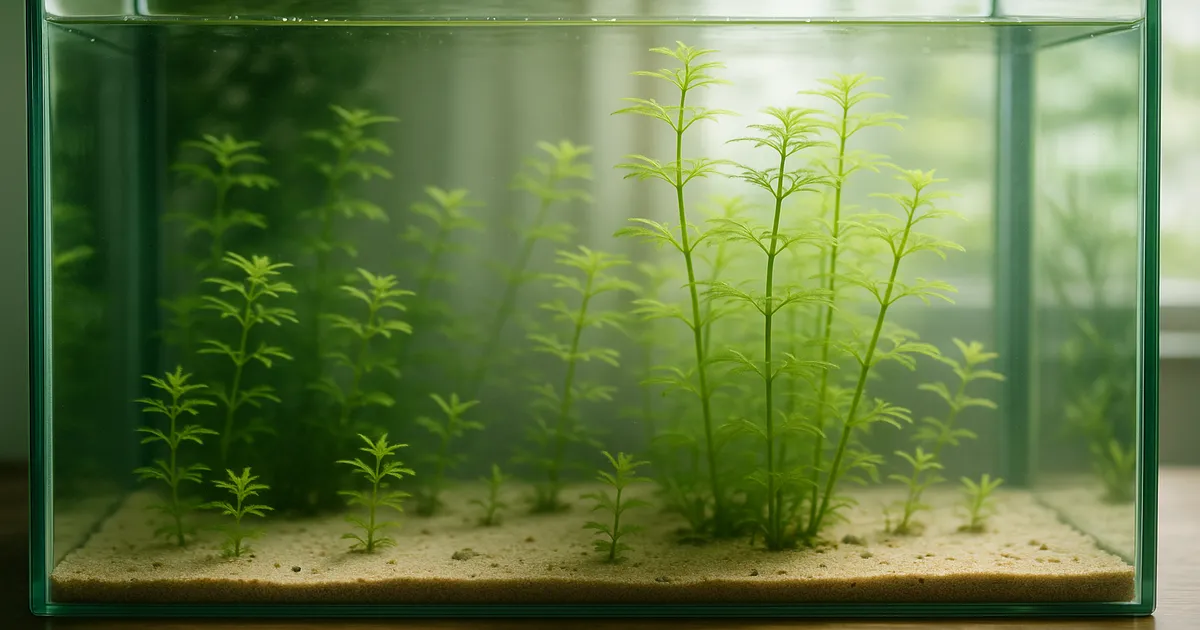
Quick Answer: Fishless cycling establishes colonies of beneficial bacteria in your filter and substrate before any fish enter the tank. You dose ammonia as a food source, which drives the ammonia → nitrite → nitrate conversion pathway. The process typically takes 2–6 weeks and results in a far safer, more stable environment than the old “fish-in” approach.
Setting up a new aquarium is exciting — but skipping the nitrogen cycle is the single biggest mistake new fishkeepers make. Learning how to cycle an aquarium without fish protects your livestock, builds a more robust bacterial colony, and gives you complete control over the process. Here’s everything you need to know, from the science to the step-by-step protocol.
What Is Fishless Cycling?
Fishless cycling means establishing colonies of nitrifying bacteria in your tank before adding any livestock. Instead of relying on fish waste as an ammonia source — which exposes those fish to toxic conditions — you dose ammonia directly. The bacteria feed on it, multiply, and build up the biological filtration your tank needs to stay healthy.
How Long Does a Fishless Cycle Take?
Typically 2–6 weeks, depending on temperature, seeding method, and how consistently you maintain water parameters. With bottled bacteria and established filter media, some aquarists finish in as little as 7–14 days. Without any seeding, expect the full 4–6 weeks.
The Three Stages at a Glance
- Ammonia phase — Dose ammonia to 2–4 ppm. Nitrosomonas bacteria begin colonizing your filter media and converting ammonia to nitrite.
- Nitrite spike — Nitrite climbs, sometimes sharply. Nitrospira bacteria catch up and start converting nitrite to nitrate.
- Cycle complete — Both ammonia and nitrite read 0 ppm within 24 hours of a fresh dose. Nitrate is present. Do a large water change, then add fish gradually.
The Science Behind the Nitrogen Cycle
Fish produce ammonia as a metabolic waste product. In a new tank with no established bacteria, that ammonia simply accumulates — and it’s acutely toxic. The nitrogen cycle solves this through two biological steps: ammonia converts first to nitrite (still toxic), then to nitrate (relatively harmless at moderate levels).
Nitrosomonas spp. handle the first conversion; Nitrospira spp. handle the second. Both are obligate aerobes — they die without dissolved oxygen — and autotrophs, meaning they derive energy from chemistry rather than organic matter. They colonize porous surfaces throughout your tank: filter media, substrate, and decorations.
Their doubling time of 8–24 hours under ideal conditions is exactly why cycling takes weeks rather than days. You’re growing a living ecosystem from scratch.
New Tank Syndrome is what happens when you skip this process. Ammonia and nitrite spike after fish are added, causing symptoms ranging from gasping at the surface to hemorrhaging and death — often within days. It’s the leading cause of fish death in newly set-up tanks, and it’s entirely preventable.
Water Parameters to Monitor During Cycling
Ammonia
Keep ammonia in the 2–4 ppm range throughout the cycle. Going higher isn’t better — above 5–8 ppm, free ammonia (NH₃) can inhibit the very bacteria you’re trying to grow. The ratio of toxic free ammonia to less-harmful ammonium (NH₄⁺) rises with both pH and temperature, so high-pH tanks need extra caution. Test every 1–2 days and redose when ammonia drops below 1 ppm.
Nitrite
Expect nitrite to spike to 5–10+ ppm mid-cycle. This is normal — Nitrosomonas is simply ahead of Nitrospira at this stage. If nitrite climbs above 5 ppm, do a 25–30% partial water change to bring it down. Extremely high nitrite can inhibit the nitrite-oxidizing bacteria you need to finish the cycle.
Nitrate
Rising nitrate confirms the second stage is working. Don’t stress about the number during cycling itself. Once complete, nitrate will likely be 20–80+ ppm, so do a 50–80% water change before adding fish. Long-term, keep nitrate below 20–40 ppm for most species and below 10–20 ppm for sensitive fish like discus or shrimp.
pH and KH
Nitrifying bacteria work best at pH 7.0–8.0. They can function down to pH 6.5, but efficiency drops. Below pH 6.0, nitrification nearly stops — cycling in very soft, acidic water is genuinely difficult.
Here’s the sneaky part: nitrification itself consumes carbonate hardness (KH), which causes pH to drop during cycling. Keep KH at 4–8 dKH and check it weekly. If it falls, add sodium bicarbonate (baking soda) — roughly 1 teaspoon per 50 gallons raises KH by about 1 dKH.
Temperature and Dissolved Oxygen
Bacterial growth peaks at 78–82°F (26–28°C), so set your heater toward the higher end of your intended fish species’ range while cycling. Below 65°F (18°C), the cycle can drag on for months. Keep dissolved oxygen near saturation with strong surface agitation — these bacteria are obligate aerobes and will die without it.
Water Parameter Quick-Reference
| Parameter | Ideal Cycling Range | Notes |
|---|---|---|
| Ammonia | 2–4 ppm | Redose when below 1 ppm |
| Nitrite | 0–5 ppm | Partial water change if >5 ppm |
| Nitrate | Rising, then reduce | 50–80% water change before stocking |
| pH | 7.0–8.0 | Buffer if dropping below 6.5 |
| KH | 4–8 dKH | Replenish with baking soda if depleted |
| Temperature | 78–82°F (26–28°C) | Higher = faster bacterial growth |
| Dissolved Oxygen | Near saturation | Strong surface agitation required |
How to Cycle an Aquarium Without Fish: Step-by-Step
1. Set Up Your Tank and Equipment
Fishless cycling works in any size tank, but smaller setups (under 10 gallons) experience sharper parameter swings. A 20-gallon tank is a solid starting point — enough water volume to buffer chemistry while staying manageable.
Your filter is the most critical piece of equipment. It’s the primary home for nitrifying bacteria and must never be turned off, even briefly. Oxygen deprivation kills bacterial colonies fast. Aim for a flow rate of 4–10× your tank volume per hour.
For filter media, ranked by bacterial colonization effectiveness:
- Sintered glass (e.g., Seachem Matrix) — extremely high porosity, top choice
- Ceramic rings (e.g., Fluval BioMax) — excellent and widely available
- Sponge media — good surface area, doubles as mechanical filtration
- Bio-balls — decent but less efficient than ceramic or sintered glass
- Lava rock — inexpensive and surprisingly effective
Run an airstone or position your filter return to break the water surface. (Tetra Whisper Air Pump) Avoid dead spots where anaerobic pockets could form. Limit lighting to 6–8 hours per day during cycling — excess light encourages algae that can skew your ammonia and nitrate readings.
2. Dechlorinate Your Water
Treat tap water with a dechlorinator before adding anything else. Seachem Prime is the best choice — it neutralizes chlorine and chloramine and temporarily detoxifies ammonia and nitrite for 24–48 hours without interfering with bacterial processing. Your bacteria can still process Prime-detoxified ammonia, so it won’t slow the cycle down.
3. Choose Your Ammonia Source
Pure ammonia (ammonium chloride) is the most precise approach. Use a dedicated product like Dr. Tim’s Ammonium Chloride or a clear hardware-store ammonia — but only if it passes the shake test. Shake the bottle and check for bubbles. Bubbles mean surfactants, which will kill your bacteria.
Organic methods (raw shrimp, fish food) are accessible but imprecise. Bacterial blooms, fungal growth, and odors are common side effects.
Bottled bacteria + ammonia is the fastest method, potentially completing the cycle in 7–14 days. Tetra SafeStart Plus and Fritz Zyme 7 are the most scientifically validated options. Seachem Stability and API Quick Start are widely available with more variable results. Always check expiration dates — dead bacteria won’t do anything.
4. Dose to 2–4 ppm and Begin Testing
Add your ammonia source and test immediately. Use an ammonia calculator (available on the Seachem website or Aquarium Advice forums) for precision with liquid ammonium chloride — the exact volume depends on your solution’s concentration. An API Freshwater Master Test Kit is the standard choice for tracking all parameters throughout the cycle.
Test ammonia and nitrite every 1–2 days. Test nitrate weekly. When ammonia drops below 1 ppm, redose back to 2–4 ppm. Keep a simple log — even a sticky note on the tank — so you can spot trends.
5. Watch for the Nitrite Spike
A few days to a couple of weeks in, nitrite will climb sharply. This is the mid-cycle milestone — Nitrosomonas is well-established and producing nitrite faster than Nitrospira can process it. If nitrite exceeds 5 ppm, do a 25–30% water change to bring it down.
6. Confirm the Cycle Is Complete
Your cycle is complete when both ammonia and nitrite read 0 ppm within 24 hours of a fresh 2–4 ppm ammonia dose, and nitrate is present. Test on two consecutive days to confirm — a single 0 ppm reading isn’t enough.
7. Final Water Change and Stocking
Do a 50–80% water change to bring nitrate down before adding fish. Stock gradually over several weeks. Adding too many fish at once risks overwhelming the bacterial colony you just spent weeks building.
Seeding Your Tank to Speed Up the Cycle
| Seeding Source | Typical Cycle Time |
|---|---|
| No seeding | 4–6 weeks |
| Bottled bacteria alone | 2–3 weeks |
| Established gravel/decorations | 2–4 weeks |
| Established filter media | 1–2 weeks |
Established filter media is the single most effective accelerator. A handful of sponge, ceramic rings, or sintered glass from a healthy, disease-free tank can cut a 4–6 week cycle down to 1–2 weeks. Place it directly in your new filter and start dosing ammonia immediately.
Gravel or substrate from an established tank carries a meaningful bacterial population — less potent than filter media, but still worthwhile when combined with other seeding sources.
Live plants serve a dual function: they carry surface bacteria and directly consume ammonia through uptake. Fast-growing species like hornwort, water sprite, and Vallisneria are particularly useful. Plants won’t replace a bacterial colony, but they reduce ammonia peaks and support stability during the cycle.
Troubleshooting a Stalled Fishless Cycle
Ammonia not dropping? First, check your ammonia source for surfactants — the most common culprit. Then confirm your filter is running, pH is above 6.5, and temperature is above 65°F (18°C). If ammonia still isn’t moving after two weeks, add a bottled bacteria product.
Nitrite stuck at high levels? This usually comes down to insufficient oxygen or nitrite so high it’s self-inhibiting. Do a 25–30% water change to bring nitrite below 5 ppm, confirm strong surface agitation, and be patient. Nitrospira establishes more slowly than Nitrosomonas — this phase can feel like it lasts forever, but it does resolve.
pH crashing? KH depletion is almost certainly the cause. Nitrifying bacteria use carbonate as a carbon source, consuming alkalinity as the cycle progresses. Check KH — if it’s below 3 dKH, add baking soda (approximately 1 teaspoon per 50 gallons raises KH by ~1 dKH). Restore KH before trying to address pH directly.
In soft-water tanks, KH can crash surprisingly fast during an active cycle. Test weekly and supplement proactively rather than reactively.
Frequently Asked Questions
Can I add fish before the cycle is complete? No. Adding fish to an uncycled or partially cycled tank exposes them to toxic ammonia and nitrite. Wait until both parameters read 0 ppm within 24 hours of a full ammonia dose, then do a large water change before stocking.
Do I need a heater to cycle a fishless tank? Not strictly, but it helps significantly. Bacterial growth is fastest at 78–82°F (26–28°C). At room temperature (around 68–72°F), the cycle will complete but may take several additional weeks. Below 65°F, it can stall almost entirely.
Will Seachem Prime slow down my cycle? No. Prime temporarily detoxifies ammonia and nitrite into less harmful forms, but nitrifying bacteria can still process them. It’s safe — and recommended — to use throughout the cycle.
Can I cycle a tank with live plants? Yes. A heavily planted tank with fast-growing species can consume ammonia directly, running what’s sometimes called a “silent cycle.” It works best as a complement to ammonia dosing rather than a standalone method, since it may not build as robust a bacterial colony on its own.
How do I know if my bottled bacteria product actually worked? You’ll see ammonia begin dropping within 24–48 hours of dosing if the bacteria are alive and active. If ammonia isn’t moving after 3–4 days, the product may be expired or improperly stored. Check the expiration date and buy from retailers with high product turnover.