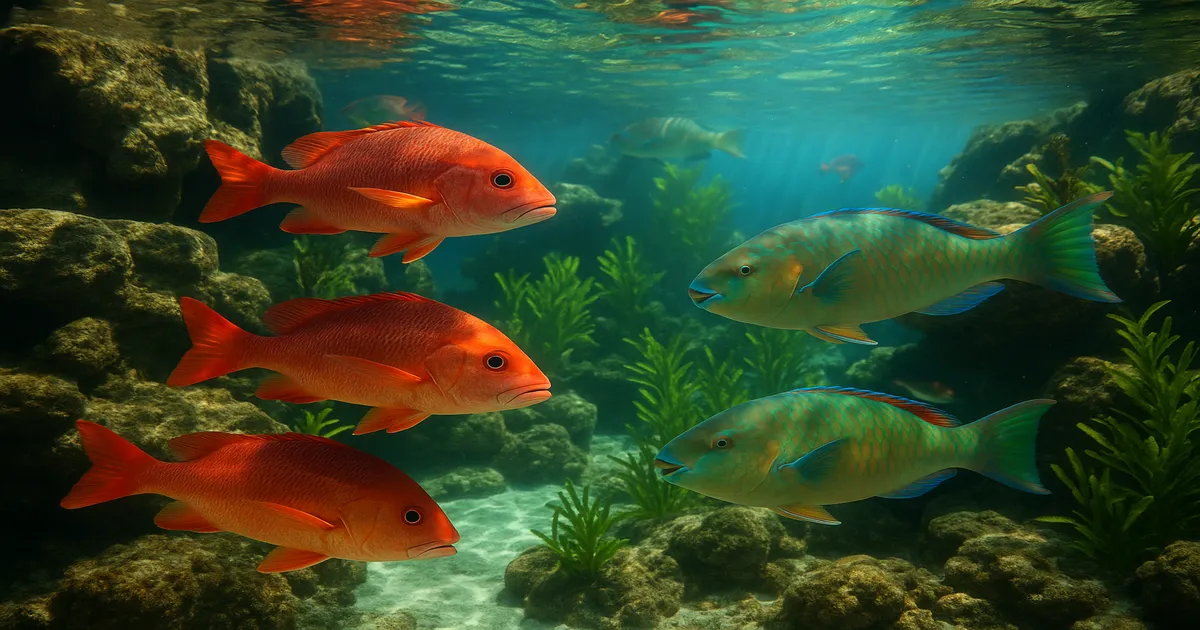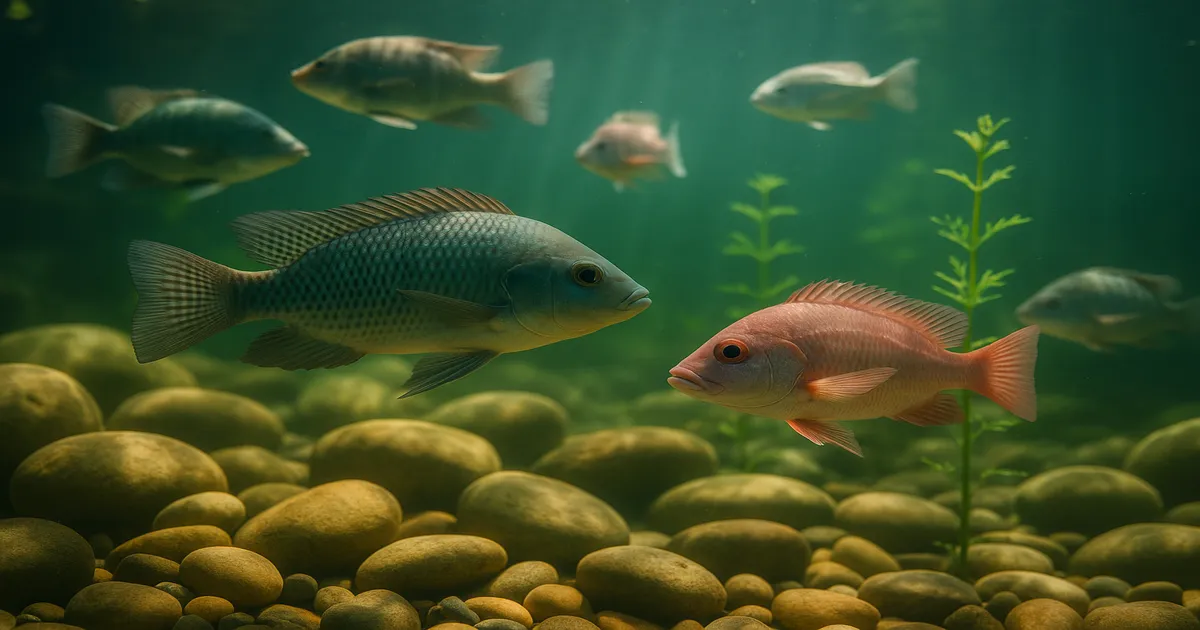
Quick Answer: Red snapper is the best fish for jerk seasoning — its firm, moist white flesh absorbs bold spices beautifully and holds up perfectly on the grill. Mahi-mahi is the top runner-up, offering wide availability, a meaty texture, and just enough fat to stay juicy under high heat.
Choosing the best fish for jerk seasoning isn’t just about grabbing whatever’s on sale at the fish counter. Jerk is an aggressive, deeply layered spice blend — allspice, scotch bonnet, thyme, garlic, ginger — and not every fish can handle that kind of intensity without falling apart or getting lost in the sauce. Some species shine. Others turn to mush. This guide covers seven species in detail, with a comparison table, individual reviews, and seasoning product recommendations to help you nail it every time.
What Makes a Fish Work with Jerk Seasoning?
Texture: Firm vs. Flaky
Firm-fleshed fish are the clear winners, especially on the grill. Flaky fish like cod or flounder fall through grill grates and can’t handle the direct high heat that gives jerk its signature char. Think snapper, mahi-mahi, swordfish — fish that hold their shape when you flip them.
Fat Content and Moisture Retention
High-heat jerk cooking is unforgiving. A lean, low-fat fish dries out before the spices have a chance to caramelize. Medium-to-high fat content — like you get with mahi-mahi, salmon, or kingfish — provides a buffer that keeps the flesh moist and flavorful throughout cooking.
Flavor Intensity
Mild-flavored fish let jerk seasoning take center stage, which is usually what you want. Bold fish like kingfish or mackerel create a more complex, layered result — great if you love big flavor, but it’s a different dish. Neither is wrong; just know what you’re getting into before you season.
Thickness and Cut
Thin fillets are trouble on a grill. You want steaks or fillets at least 1 inch thick — ideally 1 to 1.5 inches. That thickness gives the crust time to develop without the interior overcooking. Whole fish (like a scored red snapper) is the traditional approach and produces excellent results.
Freshness
Jerk seasoning is bold, but it cannot rescue poor-quality fish. Fresh fish should smell clean and oceanic, never “fishy.” For sustainability-conscious shoppers, look for MSC-certified options or ask your fishmonger about sourcing.
Best Fish for Jerk Seasoning: At-a-Glance Comparison
| Fish | Texture | Fat Content | Best Cooking Method | Flavor Intensity | Ideal Cut | Skill Level |
|---|---|---|---|---|---|---|
| Red Snapper | Firm | Medium | Grill / Bake | Mild | Whole / Fillet | Intermediate |
| Mahi-Mahi | Firm | Medium-High | Grill / Broil | Mild-Sweet | Thick Fillet | Beginner |
| Kingfish | Firm | High | Grill | Bold | Steak | Intermediate |
| Swordfish | Very Firm | Medium | Grill | Very Mild | Steak | Intermediate |
| Salmon | Medium-Firm | High | Grill / Bake | Rich | Fillet | Beginner |
| Grouper | Firm | Medium | Grill / Pan-Sear | Mild | Thick Fillet | Beginner |
| Tilapia | Medium | Low | Bake / Pan-Sear | Very Mild | Thin Fillet | Beginner |
Red Snapper — The Best Fish for Jerk Seasoning Overall
Red snapper is the gold standard of Jamaican jerk fish, and for good reason. Its firm, moist white flesh holds seasoning exceptionally well without competing with the spice blend — you get the full jerk experience in every bite. It works beautifully whether you’re cooking a whole scored fish over pimento wood or grilling thick fillets on a gas grill. Whole fish is the traditional Jamaican preparation; score the flesh deeply before applying your jerk paste so the seasoning reaches the bone.
Key specs:
- Texture: Firm
- Fat content: Medium
- Flavor: Mild
- Best methods: Grill, bake
- Ideal cuts: Whole fish, fillets, steaks
- Price: $$
Pros
- Most authentic choice for traditional Jamaican jerk fish
- Mild flavor lets jerk seasoning fully dominate
- Versatile — works as whole fish, fillets, or steaks
- Holds marinade exceptionally well without becoming mushy
Cons
- Whole fish preparation requires scoring and some skill
- Pricier than tilapia or salmon
- Availability varies by region — not always stocked at every grocery store
Best for: Anyone who wants the most authentic, traditional jerk fish experience.
Mahi-Mahi — Best for Jerk Fish Tacos
Mahi-mahi has become a go-to for home cooks who want a premium jerk fish experience without hunting down a specialty fish market. Its firm, meaty texture and slightly sweet flavor make it an outstanding canvas for bold spices, and it takes a marinade deeply. Thick mahi-mahi fillets stay moist and develop a gorgeous char on a hot grill — exactly what you want for jerk fish tacos.
Key specs:
- Texture: Firm
- Fat content: Medium-High
- Flavor: Mildly sweet
- Best methods: Grill, broil
- Ideal cut: Thick fillets (1–1.5 inches)
- Price: $$
Pros
- Widely available at most grocery stores and fish counters
- Excellent for jerk fish tacos — holds together cleanly when sliced
- Stays moist under high heat thanks to good fat content
- Absorbs marinade deeply and evenly
Cons
- Slightly sweet flavor can soften the perception of heat and spice
- Premium pricing in some inland markets
- Less traditional than snapper for purists
Best for: Jerk fish tacos and home cooks who want a reliable, widely available premium option.
Kingfish (King Mackerel) — Bold Caribbean Classic
Kingfish is a Jamaican street food staple. Once you try it jerk-spiced off a charcoal grill, you’ll understand why. Its bold, oily flesh doesn’t just tolerate assertive spice blends — it thrives with them. The high fat content keeps steaks moist even at high heat, and the result is a deeply flavored, intensely satisfying dish that tastes unmistakably Caribbean.
Key specs:
- Texture: Firm
- Fat content: High
- Flavor: Bold, oily
- Best method: Grill
- Ideal cut: Steaks
- Price: $$
Pros
- Authentic Caribbean preparation — this is what you’ll find at Jamaican roadside stalls
- High fat content provides excellent moisture retention on the grill
- Bold flavor stands up to maximum heat levels in the seasoning
- Impressive, rustic presentation as grilled steaks
Cons
- Strong fish flavor is not for everyone — it’s a distinctly “fishy” experience
- Less widely available outside coastal markets and Caribbean grocery stores
- Oily flesh can cause flare-ups on a charcoal grill
Best for: Bold-flavor lovers and anyone chasing the most authentic Caribbean jerk fish experience.
Swordfish — Best Jerk Fish for Special Occasions
Swordfish is the most forgiving fish on a grill. Its dense, steak-like flesh is nearly impossible to accidentally turn to mush, which makes it ideal for high-heat jerk cooking where you’re focused on developing that spicy crust. The flavor is very mild, so the seasoning does all the talking. It’s not traditional, but it produces a genuinely showstopping result that’s hard to argue with.
Key specs:
- Texture: Very firm, dense
- Fat content: Medium
- Flavor: Very mild
- Best method: Grill
- Ideal cut: Steaks (1–1.5 inches thick)
- Price: $$$
Pros
- Very difficult to overcook into mush — highly forgiving on the grill
- Dense texture develops an excellent char and crust
- Very mild flavor allows jerk seasoning to fully dominate
- Impressive presentation for dinner parties or special occasions
Cons
- The most expensive option in this guide
- Not traditional; uncommon in Caribbean jerk cooking
- Can still dry out if pushed past 145°F internal temperature — use a thermometer
Best for: Confident grillers who want a premium, showstopper jerk fish steak.
Salmon — Best for Beginners
Salmon is the most accessible entry point for home cooks experimenting with jerk seasoning. Its high fat content is genuinely forgiving — even if your timing is slightly off, the fish stays moist. The trade-off is that salmon’s rich, distinctive flavor competes with bold jerk spices, so it works better with a milder blend rather than a full-heat scotch bonnet paste. Skin-on fillets are the way to go; they hold together on the grill and crisp up nicely.
Key specs:
- Texture: Medium-firm
- Fat content: High
- Flavor: Rich, distinctive
- Best methods: Grill, bake
- Ideal cut: Fillets (skin-on preferred)
- Price: $–$$
Pros
- Available at virtually every grocery store
- High fat content keeps it moist and forgiving for beginners
- Budget-friendly compared to snapper, swordfish, or mahi-mahi
- Skin-on fillets hold together well on the grill
Cons
- Rich flavor competes with jerk spices, especially at high heat
- Not a Caribbean-origin choice — less traditional
- Heavy smoke can overpower the jerk flavor if using a smoker
Best for: Beginners and weeknight jerk fish dinners — pair with a milder jerk blend for the best balance.
Grouper — Best Snapper Substitute
Grouper is the fish you reach for when red snapper isn’t available or is out of your budget. Its chunky, firm white flesh behaves almost identically to snapper on the grill — it absorbs marinade beautifully, holds together, and lets the jerk seasoning shine without interference. One caveat: grouper is sometimes mislabeled at fish counters, so ask your fishmonger directly about sourcing.
Key specs:
- Texture: Firm
- Fat content: Medium
- Flavor: Mild
- Best methods: Grill, pan-sear
- Ideal cut: Thick fillets
- Price: $$
Pros
- Firm texture grills and pan-sears beautifully
- Mild flavor gives jerk seasoning full room to express itself
- Absorbs marinade evenly and consistently
- Generally good value compared to snapper or swordfish
Cons
- Regional availability varies — harder to find inland
- Less visually dramatic than a whole snapper presentation
- Susceptible to mislabeling at some fish counters — verify with your fishmonger
Best for: Anyone who wants a top-tier snapper substitute when red snapper is unavailable or overpriced.
Tilapia — Best Budget Option for Jerk Seasoning
Tilapia is the most wallet-friendly path into jerk fish cooking, and for baking or pan-searing, it genuinely works. Its very mild flavor is a blank canvas for jerk spices, and it’s available everywhere. The catch: thin tilapia fillets dry out fast and fall apart on an open grill. Stick to the oven or a cast-iron skillet rather than grill grates, and don’t over-season — thin fillets can steam rather than sear if you apply too much wet paste.
Key specs:
- Texture: Medium (thinner and more delicate than other options)
- Fat content: Low
- Flavor: Very mild
- Best methods: Bake, pan-sear
- Ideal cut: Thin fillets
- Price: $
Pros
- Most affordable option — typically the cheapest fish at any grocery store
- Very mild flavor is an ideal blank canvas for jerk seasoning
- Available at virtually every supermarket nationwide
- Easy to find in consistent, uniform portions
Cons
- Thin fillets dry out quickly — not suitable for open-flame grilling
- Low fat content means minimal moisture retention under heat
- Produces a less impressive result than firmer, fattier fish
Best for: Budget-conscious beginners baking or pan-searing jerk fish at home.
Our Verdict: Best Fish for Jerk Seasoning by Use Case
Best Overall: Red Snapper
Nothing beats it for authenticity, flavor, and versatility. Score it whole, pack the cuts with Walkerswood jerk paste, and grill it over high heat. That’s the real deal.
Best for Jerk Fish Tacos: Mahi-Mahi
Firm enough to slice cleanly, moist enough to stay juicy, and available at most grocery stores. Mahi-mahi is the obvious call for taco night.
Best for Bold Flavor: Kingfish
If you want maximum Caribbean authenticity and aren’t shy about big, oily, assertive flavor, kingfish is your fish. Find it at Caribbean or Latin grocery stores and pair it with Grace Jerk Seasoning Hot.
Best Premium Grill Option: Swordfish
Dense, grill-proof, and visually stunning. Worth the splurge for a special occasion. Pair it with Busha Browne’s Authentic Jerk Seasoning for a slightly sweeter, fish-friendly profile.
Best for Beginners: Salmon or Tilapia
Salmon if you’re grilling; tilapia if you’re baking or pan-searing. Both are forgiving, affordable, and widely available. Start with McCormick Grill Mates Jamaican Jerk Seasoning before graduating to the scotch bonnet-heavy pastes.
Best Snapper Substitute: Grouper
Same firm texture, same mild flavor, often a better price. If your fishmonger has fresh grouper, it’s an easy swap for any snapper recipe.
One final tip on marination: Fish is not chicken. Keep your jerk marinade time between 30 minutes and 2 hours maximum. Fish proteins break down faster than poultry, and over-marinating — especially with high-sodium wet pastes — will give you mushy texture no matter how good your fish was to start.
Frequently Asked Questions
What is the best fish for jerk seasoning on the grill?
Red snapper, mahi-mahi, and swordfish are the top three choices for grilling. All three have firm textures that hold up to high heat, develop a good char, and won’t fall apart when you flip them. Swordfish is the most forgiving for less experienced grillers; snapper is the most authentic.
How long should you marinate fish in jerk seasoning?
Stick to 30 minutes to 2 hours maximum. Fish proteins break down much faster than chicken or pork, and leaving fish in a high-sodium or acidic jerk marinade too long results in mushy, unpleasant texture. For thin fillets like tilapia, 30 minutes is plenty.
Can you use tilapia for jerk seasoning?
Yes, with the right cooking method. Tilapia’s mild flavor takes jerk seasoning well, but its thin fillets dry out and fall apart on an open grill. Bake it at 400°F or pan-sear it in a cast-iron skillet instead. Apply the seasoning lightly — too much wet paste on a thin fillet causes steaming rather than searing.
What jerk seasoning brand is best for fish?
Walkerswood Traditional Jamaican Jerk Seasoning is widely considered the gold standard — bold, scotch bonnet-forward, and deeply aromatic. Grace Jerk Seasoning is the best value pick and widely available. If you want full control over heat level, a homemade fresh jerk marinade with whole scotch bonnets, fresh thyme, allspice berries, and green onion is hard to beat.
What sides go with jerk fish?
The traditional Jamaican spread includes festival (sweet fried dumplings), rice and peas (kidney beans cooked in coconut milk), bammy (cassava flatbread), and grilled plantains. Any of these complement the bold, smoky heat of jerk fish and keep the meal feeling authentically Caribbean.