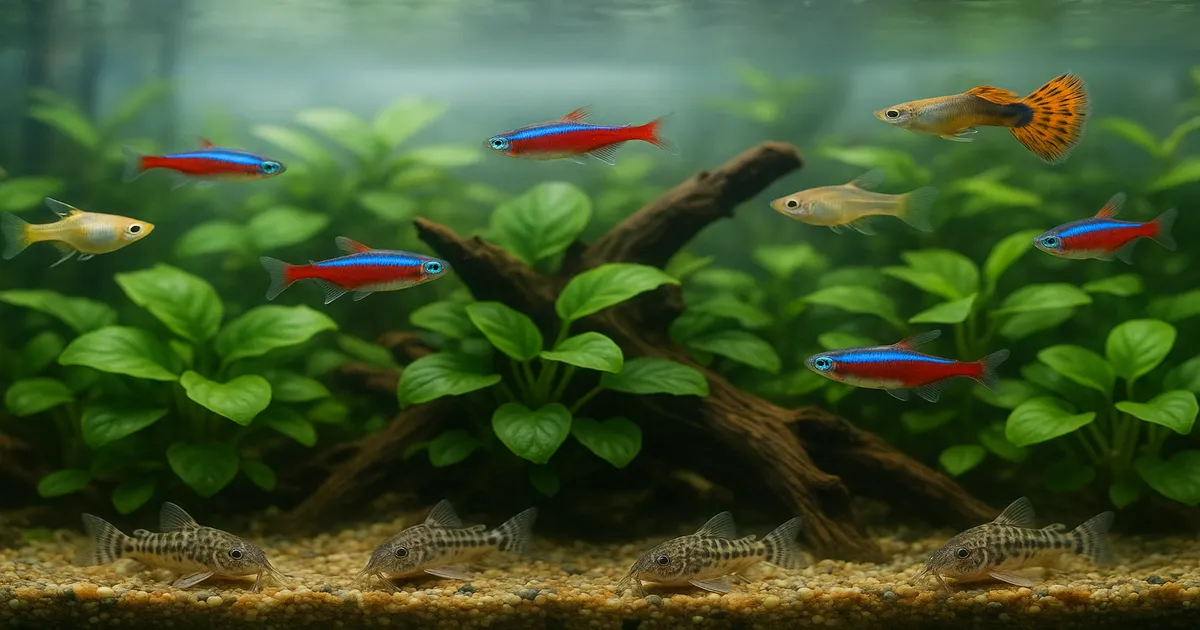
Quick Answer: For most hobbyists, Neon Tetras are the best overall aquarium fish — peaceful, visually stunning in groups, and a perfect fit for planted community tanks. If you want a single centerpiece fish in a smaller setup, a Betta Fish is unbeatable for personality and visual impact with minimal space requirements.
Choosing the best fish for your aquarium isn’t just about picking the prettiest species at your local fish store. The right fish depends on your tank size, water chemistry, planned tankmates, and how much time you realistically want to spend on feeding and maintenance. Whether you’re a first-time keeper searching for the best fish for items in aquarium fisch setups, or an experienced hobbyist rounding out an established community tank, this guide covers the top species — with honest pros, cons, and a clear verdict on who each fish is actually best suited for.
Quick Answer: Best Aquarium Fish to Buy Right Now
Best Overall: Neon Tetra
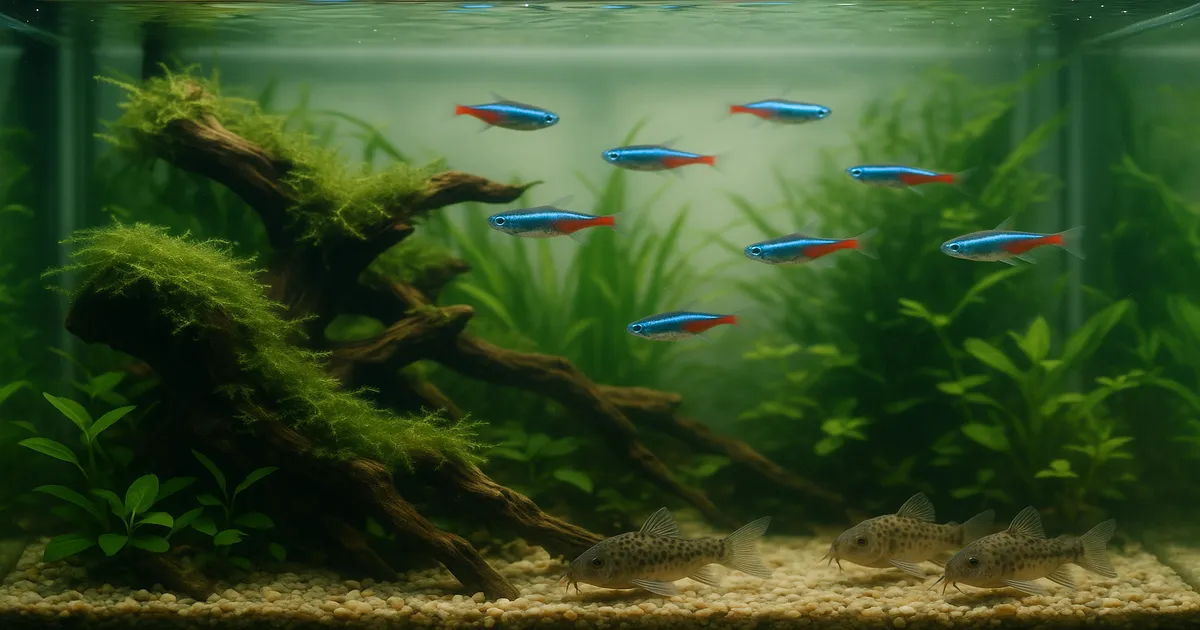
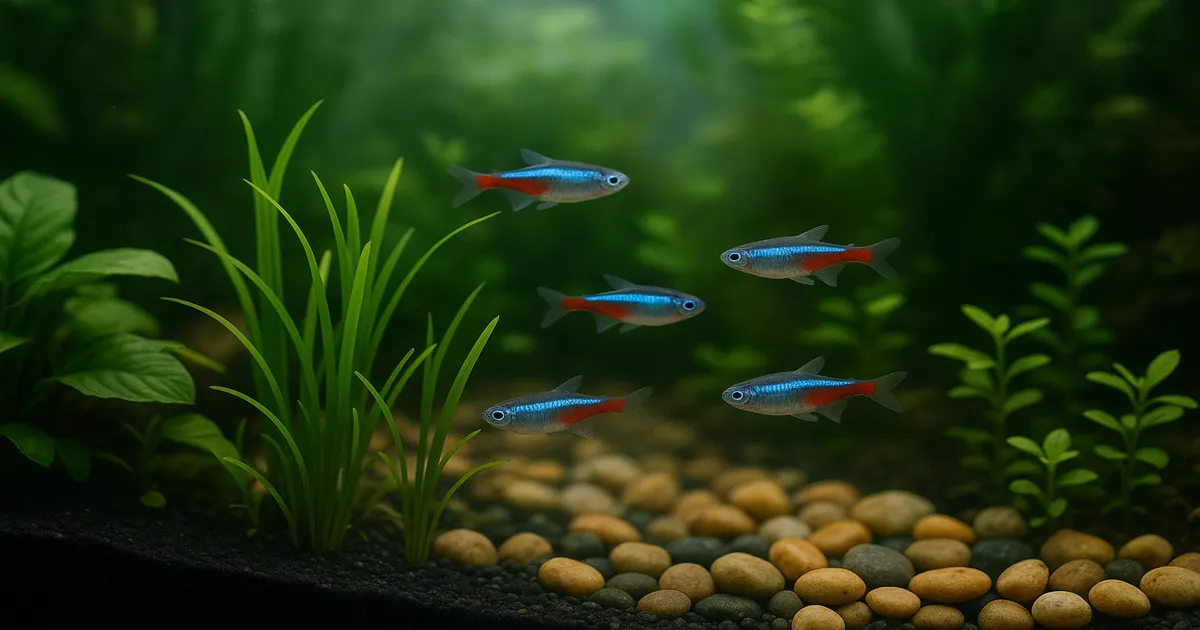
Neon Tetras are the gold standard of community fishkeeping. A school of ten moving through a planted tank is one of the most visually rewarding sights in the hobby. They’re peaceful, long-lived (up to 10 years in good conditions), and compatible with a huge range of tankmates — as long as your water stays soft and slightly acidic.
Best for Solo Tanks: Betta Fish
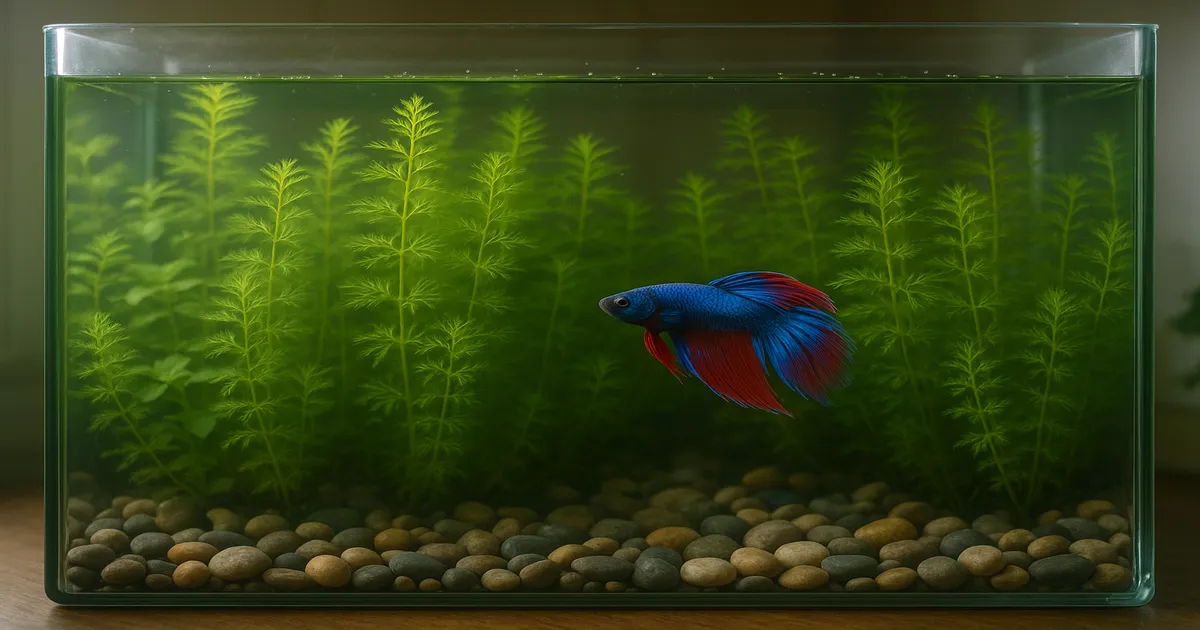
No other fish packs this much personality and visual drama into a 5-gallon tank. Bettas are interactive, recognize their owners, and come in an extraordinary range of fin types and colors. Care is straightforward as long as you respect two non-negotiables: warm, still water and a high-protein diet.
What to Look For When Choosing the Best Fish for Your Aquarium
Before you buy anything, run through these six criteria. Skipping this step is the single biggest reason new fishkeepers end up with sick or incompatible fish.
Tank Size Compatibility. Every species has a minimum tank size — and it matters more than most beginners realize. A Betta can thrive in 5 gallons; Corydoras need at least 20 gallons to house the mandatory group of six. Fish that outgrow their tank suffer chronic stress and shortened lifespans.
Water Parameter Requirements. This is where community tanks most often go wrong. Guppies prefer hard, alkaline water (pH 7.0–8.0), while Neon Tetras need soft, slightly acidic water (pH 6.0–7.0). Trying to keep both happy in the same tank means compromising for both — and that’s a recipe for disease. Always match your fish to your tap water chemistry, or be prepared to condition it consistently. A reliable liquid test kit, used weekly, takes the guesswork out of this.
Temperament and Community Compatibility. A peaceful fish in the wrong company becomes a stressed fish. Zebra Danios are technically peaceful but will relentlessly nip the fins of slow-moving species like Bettas or fancy Guppies. Angelfish look elegant alongside Neon Tetras in the fish store — but adult Angels will eat them. Research compatibility before you buy, not after.
Feeding Complexity. Some fish are easy: Guppies and Danios eat almost anything. Others require more thought. Corydoras need sinking food that reaches the bottom before other fish grab it. Bettas need a high-protein diet and will develop health problems on low-quality flake food.
Lifespan and Long-Term Commitment. A Guppy lives 2–3 years. An Angelfish can live 10–12 years. A Corydoras can outlive your next three tanks. Longer-lived fish are rewarding but require a genuine long-term commitment to water quality and care.
Availability and Price. Most species on this list are readily available at chain pet stores and independent fish shops. A few — like specific Corydoras species or high-grade Betta variants — may require an online specialist. Factor in whether you can source replacements easily if something goes wrong.
At-a-Glance Comparison: Best Aquarium Fish by Key Specs
| Species | Min Tank Size | Temperature | pH Range | Aggression | Min Group | Diet | Beginner-Friendly |
|---|---|---|---|---|---|---|---|
| Betta | 5 gal | 76–82°F (24–28°C) | 6.5–7.5 | High (solo) | 1 | Carnivore | ⭐⭐⭐⭐ |
| Neon Tetra | 10 gal | 72–80°F (22–27°C) | 6.0–7.0 | Peaceful | 6+ | Omnivore | ⭐⭐⭐ |
| Guppy | 10 gal | 72–82°F (22–28°C) | 7.0–8.0 | Peaceful | 3 (1M:2F) | Omnivore | ⭐⭐⭐⭐⭐ |
| Corydoras | 20 gal | 72–79°F (22–26°C) | 6.0–7.5 | Very peaceful | 6+ | Omnivore | ⭐⭐⭐⭐ |
| Angelfish | 30 gal | 76–84°F (24–29°C) | 6.5–7.5 | Moderate | 2 (pair) | Omnivore | ⭐⭐ |
| Zebra Danio | 10 gal | 65–77°F (18–25°C) | 6.5–7.5 | Peaceful/nippy | 6+ | Omnivore | ⭐⭐⭐⭐⭐ |
| Dwarf Gourami | 10 gal | 77–82°F (25–28°C) | 6.0–7.5 | Moderate (males) | 1 male | Omnivore | ⭐⭐⭐ |
| Platy | 10 gal | 70–80°F (21–27°C) | 7.0–8.2 | Very peaceful | 3 (1M:2F) | Omnivore | ⭐⭐⭐⭐⭐ |
Betta Fish (Betta splendens)
The Betta is the quintessential solo aquarium fish. Flowing fins, jewel-like colors, and a surprisingly bold personality make them endlessly captivating — and their labyrinth organ lets them breathe atmospheric air directly, giving them a tolerance for lower dissolved oxygen levels that most fish lack. That said, they’re not as bulletproof as their reputation suggests. Warm, still water and a varied high-protein diet are non-negotiable.
Key Specs:
- Size: 2.5–3 in (6–7.5 cm)
- Temperature: 76–82°F (24–28°C)
- pH: 6.5–7.5
- Min Tank: 5 gallons
- Lifespan: 3–5 years
Pros
- Stunning variety of fin types and colors — no two bettas look alike
- Highly interactive; will recognize and respond to their keeper
- Tolerates smaller tanks better than almost any other fish
- Minimal flow requirements make filtration simple
Cons
- Male bettas cannot be housed together under any circumstances
- Fin-nipping tankmates (Tiger Barbs, male Guppies, Zebra Danios) will shred their fins
- Sensitive to overfeeding — constipation and bloat are common problems with inexperienced keepers
Best for: Hobbyists who want a single centerpiece fish with maximum personality in a small to medium tank.
Neon Tetra (Paracheirodon innesi)
Neon Tetras are the fish that gets people hooked on the hobby. That iridescent blue-red stripe — structural coloration, not pigment — creates a moving light show when a school of ten or more glides through a planted tank. They’re long-lived in good conditions, peaceful with virtually all similarly-sized tankmates, and available everywhere.
The catch is water chemistry. Neon Tetras evolved in soft, blackwater Amazonian streams and genuinely struggle in hard, alkaline tap water. If your tap runs above pH 7.4 and you’re not willing to condition it, consider Cardinal Tetras (Paracheirodon axelrodi) or Ember Tetras (Hyphessobrycon amandae) — both are more adaptable and equally striking.
Key Specs:
- Size: 1.2–1.5 in (3–4 cm)
- Temperature: 72–80°F (22–27°C)
- pH: 6.0–7.0 (soft, slightly acidic water preferred)
- Min Tank: 10 gallons (school of 6–8)
- Lifespan: 5–10 years
Pros
- The schooling display is genuinely spectacular — one of the hobby’s best visual payoffs
- Long lifespan for a small fish when water parameters are dialed in
- Compatible with most peaceful community species
- Widely available and affordable
Cons
- Sensitive to hard or alkaline water — lifespan shortens significantly in the wrong chemistry
- Adult Angelfish will eat them; cannot be safely housed together
- Need a minimum school of six — solo or pairs show chronic stress
Best for: Planted community tanks where water can be maintained soft and slightly acidic.
Guppy (Poecilia reticulata)
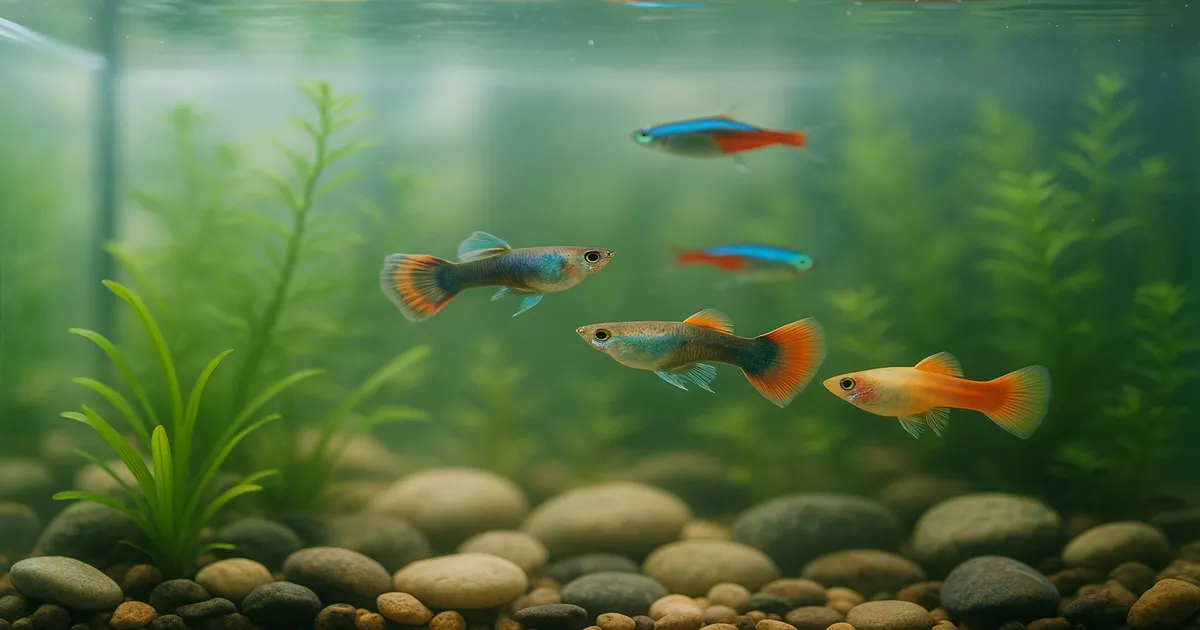
If you’re looking for the most beginner-friendly fish on this list, it’s the Guppy — and it’s not particularly close. They tolerate a wide range of water parameters, eat almost anything, and come in an extraordinary range of colors and fin shapes thanks to decades of selective breeding. The fact that they reproduce readily is either a bonus or a headache, depending on your goals.
One thing to watch: males will persistently harass females, sometimes to the point of stress and injury. Always maintain a ratio of at least one male to two females, and provide dense planting for refuge.
Key Specs:
- Size: Males 1.2–2 in (3–5 cm); Females 2–2.5 in (5–6 cm)
- Temperature: 72–82°F (22–28°C)
- pH: 7.0–8.0 (prefers harder, alkaline water)
- Min Tank: 10 gallons
- Lifespan: 2–3 years
Pros
- Extremely hardy and forgiving of beginner mistakes
- Huge variety of color strains — there’s a guppy for every aesthetic
- Tolerates a wide parameter range, including slightly brackish conditions
- Active, entertaining, and always on display
Cons
- Short lifespan compared to most fish on this list
- Males harass females relentlessly — proper sex ratios are essential
- Incompatible with Bettas and fin-nipping species
Best for: Absolute beginners who want a colorful, active, low-maintenance community fish.
Corydoras Catfish (Corydoras spp.)
Corydoras are the unsung heroes of the community tank. They mind their own business, cause zero problems for tankmates, help clean up uneaten food from the substrate, and display genuinely fascinating social behavior when kept in proper groups. A healthy group of Sterbai or Panda Corys can easily reach 10 years in a well-maintained tank — making them one of the best long-term investments in the hobby.
Two things are non-negotiable: fine sand substrate and groups of six or more. Gravel damages their sensitive barbels over time, leading to bacterial infections. Solitary Corydoras are visibly stressed, show faded coloration, and rarely thrive. Also worth noting: never add aquarium salt to a Cory tank — they’re highly sensitive to it, unlike many other community fish.
Key Specs:
- Size: 1–3 in (2.5–7.5 cm) depending on species
- Temperature: 72–79°F (22–26°C)
- pH: 6.0–7.5
- Min Tank: 20 gallons (group of 6)
- Lifespan: 5–10+ years
Pros
- Completely peaceful with every community fish
- Long-lived — a real investment in your tank’s ecosystem
- Help keep substrate clean by scavenging uneaten food
- Fascinating schooling and social behavior
Cons
- Require fine sand substrate — gravel damages their barbels over time
- Highly sensitive to aquarium salt; avoid in any tank where salt is used
- Need sinking food specifically placed for them — they lose out to mid-water feeders otherwise
Best for: Any peaceful community tank as the essential bottom-dwelling cleanup crew.
Angelfish (Pterophyllum scalare)
Angelfish are the fish you graduate to. Their tall, laterally compressed silhouette and slow, graceful movement bring a completely different visual dimension to a larger aquarium. A bonded pair in a well-planted 55-gallon tank is one of the most elegant setups in freshwater fishkeeping, and with good care you can expect 10–12 years of companionship.
The trade-offs are real. Angelfish are cichlids, and they behave like it when breeding — territorial, occasionally aggressive, and capable of rearranging your carefully planted aquascape. They’ll also eat anything small enough to fit in their mouths, which rules out Neon Tetras and similar micro-fish as tankmates entirely.
Key Specs:
- Size: 6 in body length / 8–10 in tall (15 cm body / 20–25 cm tall)
- Temperature: 76–84°F (24–29°C)
- pH: 6.5–7.5
- Min Tank: 30 gallons (pair); 55+ gallons for a community setup
- Lifespan: 10–12 years
Pros
- Dramatic, elegant appearance that transforms a larger tank
- Exceptional lifespan — a genuine long-term companion
- Bonded pairs display fascinating breeding and parenting behavior
- Compatible with larger peaceful species (Corydoras, larger tetras, German Blue Rams)
Cons
- Will eat Neon Tetras, small Rasboras, and any fish small enough to swallow
- Territorial during breeding — can stress or injure tankmates
- Require larger tanks and more powerful filtration than beginner setups typically offer
Best for: Intermediate hobbyists with a 30–55+ gallon planted tank who want a long-lived, dramatic centerpiece species.
Zebra Danio (Danio rerio)
Zebra Danios are the toughest fish on this list, full stop. They tolerate a temperature range that few other common aquarium fish can match — from 65°F (18°C) all the way up to 77°F (25°C) — making them ideal for unheated tanks in temperate climates. They’re fast, active, entertaining schoolers, and genuinely forgiving of the water quality fluctuations that plague new tanks during cycling.
The one real caveat is their tendency to nip fins on slow-moving fish. Keep them away from Bettas and fancy Guppies with flowing finnage. In a group of six or more, most of that nipping energy gets redirected at each other.
Key Specs:
- Size: 1.5–2.5 in (4–6 cm)
- Temperature: 65–77°F (18–25°C)
- pH: 6.5–7.5
- Min Tank: 10 gallons
- Lifespan: 3–5 years
Pros
- Hardiest fish on this list — ideal for cycling and new tanks
- Cold-tolerant; can thrive without a heater in temperate climates
- Active, fast-moving schoolers that fill a tank with energy
- GloFish® Danio variants available for a more dramatic visual effect
Cons
- Will nip fins of slow-moving or long-finned species
- Need open horizontal swimming space — heavily planted tanks restrict them
- Can be nippy toward each other in groups smaller than six
Best for: Beginners setting up their first tank, or anyone running an unheated aquarium in a temperate climate.
Dwarf Gourami (Trichogaster lalius)
Dwarf Gouramis offer the labyrinth-fish charm and vivid coloration of a Betta in a community-compatible package. Flame and Neon Blue variants are genuinely stunning — arguably the most visually impressive fish you can add to a 10-gallon planted community tank. Their bubble-nest building behavior adds an extra layer of interest for observant keepers.
The elephant in the room is Dwarf Gourami Iridovirus (DGIV) — a viral disease that has become distressingly common in mass-farmed stock. There is no cure. Buying from reputable local breeders or specialist importers dramatically reduces the risk. Avoid lethargic or pale-looking specimens at chain stores.
Key Specs:
- Size: 2–3.5 in (5–9 cm)
- Temperature: 77–82°F (25–28°C)
- pH: 6.0–7.5
- Min Tank: 10 gallons
- Lifespan: 4–6 years (if sourced from healthy stock)
Pros
- Stunning coloration rivaling Bettas, but community-compatible
- Interesting bubble-nest building behavior
- Manageable size for 10–20 gallon planted setups
- Compatible with Neon Tetras, Corydoras, and small Rasboras
Cons
- Male-male aggression is significant — one male per tank unless the setup is large
- Highly susceptible to DGIV, especially from mass-produced stock; source carefully
- Require very low flow — strong filtration current causes chronic stress
Best for: Hobbyists who love the look of Bettas but want a fish that plays well in a peaceful planted community.
Our Verdict: Best Aquarium Fish by Use Case
Here’s the bottom line on which fish wins for each specific scenario:
- Best Overall Community Fish: Neon Tetra — peaceful, visually spectacular in schools, long-lived, and compatible with most tankmates in the right water chemistry.
- Best for Beginners: Guppy — forgiving, colorful, and endlessly varied. The ideal first fish.
- Best Solo / Centerpiece Fish (Small Tank): Betta Fish — unmatched personality and visual impact in a 5–10 gallon setup.
- Best Centerpiece Fish (Large Tank): Angelfish — dramatic, long-lived, and elegant in a 30–55+ gallon planted tank.
- Best Bottom Dweller: Corydoras Catfish — peaceful, long-lived, and genuinely useful. Every community tank benefits from a group of six.
- Best Hardy Starter Fish: Zebra Danio — the most forgiving fish in the hobby. Perfect for new tanks and unheated setups.
- Best for Planted Community Tanks: Dwarf Gourami — stunning color with community-compatible temperament. Buy from a reputable source only.
- Best Livebearer for Mixed Communities: Platy — hardier than Guppies across varied water conditions, equally peaceful, and just as colorful.
Classic Combinations That Work
The best community tanks are built around complementary species that occupy different tank levels and share compatible water needs. Three combinations worth considering:
- Classic Planted Tank Trio: Neon Tetras (mid-water schoolers) + Corydoras (bottom) + Dwarf Gourami (surface/mid) in a 20–30 gallon soft-water planted setup.
- Beginner Community: Guppies + Platies + Corydoras in a 20-gallon with standard tap water. Hardy, colorful, and near-impossible to crash.
- Show Tank Centerpiece Build: A pair of Angelfish + a group of larger tetras (Black Skirt or Lemon Tetras) + Corydoras in a 55-gallon planted tank.
Frequently Asked Questions About the Best Fish for Your Aquarium
What is the easiest aquarium fish to keep for beginners?
Guppies and Zebra Danios are the two best picks for absolute beginners. Guppies are colorful, hardy, and tolerate a wide range of water conditions with minimal intervention. Zebra Danios are arguably even tougher — they handle temperature swings and water quality fluctuations that would stress most other species. Either makes an excellent starting point.
Can you keep Betta fish with other fish in a community tank?
Yes, but tankmate selection matters enormously. Bettas do well with bottom-dwellers like Corydoras, snails, and larger shrimp (they may eat small Neocaridina shrimp). They can also coexist with small, non-nippy tetras such as Ember Tetras or Harlequin Rasboras. Avoid male Guppies (whose flowing tails trigger aggression), Tiger Barbs, Zebra Danios, and any other fin-nippers. The key is choosing calm species that won’t harass the Betta or tempt it to flare constantly.
How many fish can I put in a 10-gallon aquarium?
The classic 1-inch-per-gallon rule is a rough starting point, but it doesn’t account for bioload, behavior, or schooling requirements. Realistically, a 10-gallon works well with a school of 6 Neon Tetras, or a single Betta with a trio of Pygmy Corydoras (Corydoras pygmaeus) on a sand substrate, or a trio of Guppies. Avoid overstocking — a lightly stocked, well-maintained 10-gallon is far healthier than a crammed one.
Do Neon Tetras and Angelfish get along in the same tank?
This is one of the most common misconceptions in the hobby. Adult Angelfish will eat Neon Tetras — they’re exactly the right size to be prey. The only partial workaround is introducing juvenile Angelfish into an established Neon Tetra tank and hoping the Angels grow up associating the tetras as “not food.” Even then, it’s a gamble. If you want both, consider Cardinal Tetras (slightly larger at 2 in/5 cm) or Black Skirt Tetras, which Angels are far less likely to target.
What fish are best for a small 5-gallon aquarium?
A Betta Fish is the clear top pick for a 5-gallon tank — one of the very few species that genuinely thrives (rather than merely survives) in that volume. Most schooling fish, including Neon Tetras, Danios, and Guppies, need at least 10 gallons to house the minimum group size without chronic stress. A 5-gallon Betta tank with live plants, a gentle sponge filter, and a reliable heater is a genuinely rewarding setup for any level of keeper.