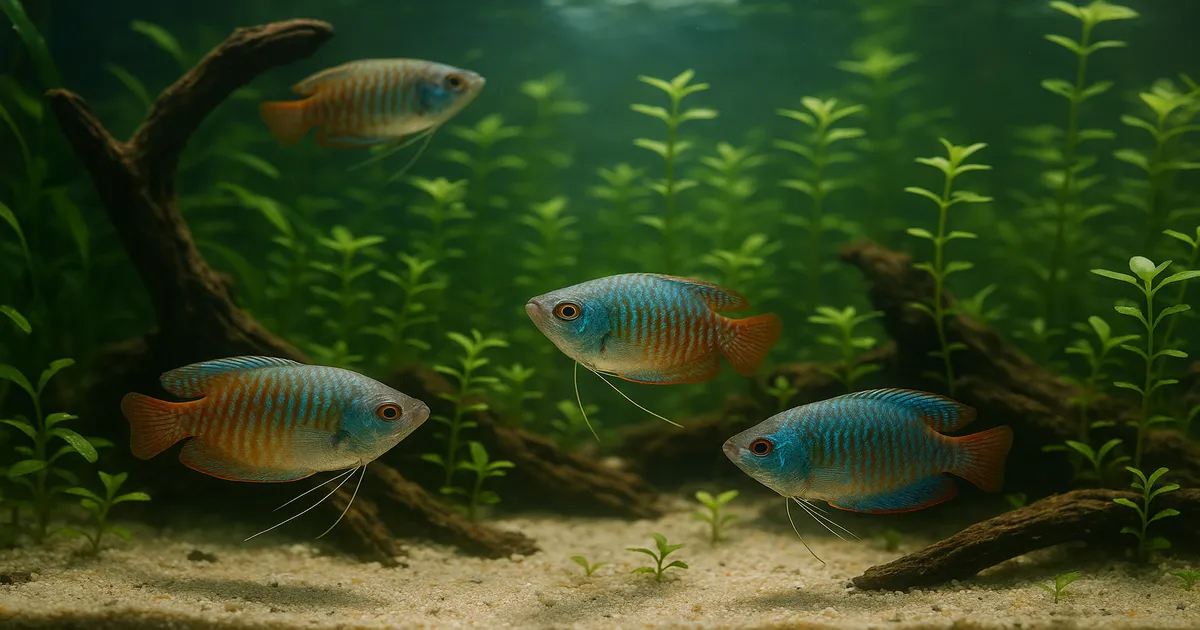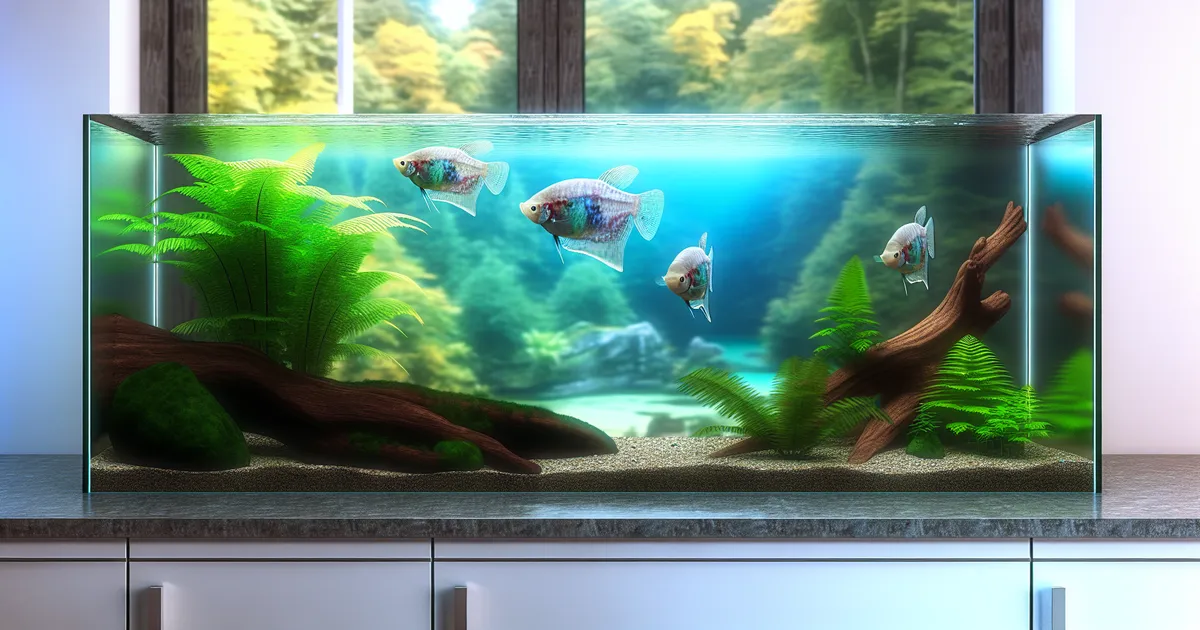
Quick Answer: Adult dwarf gouramis should be fed once or twice daily in small portions fully consumed within 2–3 minutes. Juveniles need 2–3 feedings per day to support growth. Most experienced keepers recommend one fasting day per week to support digestion and prevent obesity.
Getting the feeding routine right is one of the most impactful things you can do for your dwarf gourami’s long-term health. Knowing how often to feed dwarf gourami sounds simple, but the details — portion size, food variety, and technique — make a real difference, especially in community tanks where competition for food is a factor.
How Often Should You Feed Dwarf Gourami?
- Adults (6+ months): 1–2 times daily
- Juveniles (under 3 months): 2–3 times daily
- Sub-adults (3–6 months): 2 times daily
- Portion size: Only what they can eat in 2–3 minutes
- Fasting day: One day off per week is recommended
Dwarf gouramis have small stomachs — roughly the size of their eye — so they fill up quickly and can’t process large meals. Overfeeding is one of the most common mistakes new keepers make. It harms the fish directly through obesity and digestive stress, and it degrades water quality through excess waste and ammonia spikes. This species is particularly sensitive to poor water conditions, so what ends up in the tank matters just as much as what ends up in the fish.
Dwarf Gourami Feeding Schedule by Life Stage
Juveniles (Under 3 Months)
Juveniles are in active growth mode and need frequent meals to fuel development. Feed 2–3 times daily in very small portions — only what they can consume in 1–2 minutes per session. Variety matters at this stage: mix high-quality micro pellets with baby brine shrimp or micro worms to cover both protein and essential nutrients.
Sub-Adults (3–6 Months)
Scale back to twice daily as they enter the sub-adult phase. Stick to the 2-minute rule for portions. This is a good time to introduce the full range of adult foods, including frozen daphnia and spirulina-based flakes.
Adults (6+ Months)
Healthy adults thrive on once or twice daily feeding. Many keepers find once daily is perfectly adequate, especially with a varied diet and a weekly fasting day. If you feed twice a day, keep both portions small — together they should still fall within the 2–3 minute consumption window.
Breeding Pairs
When conditioning a pair for spawning, increase feeding to 2–3 times daily and emphasise high-protein live and frozen foods: bloodworms, brine shrimp, and daphnia are all excellent choices. This mirrors the nutritional richness of their natural pre-breeding environment and helps females develop eggs. The 2-minute rule still applies — don’t let portion sizes creep up even here.
| Life Stage | Frequency | Portion Size | Key Notes |
|---|---|---|---|
| Juvenile (under 3 months) | 2–3x daily | 1–2 min consumption | Prioritise protein and variety |
| Sub-adult (3–6 months) | 2x daily | 2-min rule | Introduce full adult food range |
| Adult (6+ months) | 1–2x daily | 2–3 min rule | Once daily suits most adults |
| Breeding pair | 2–3x daily | Small, varied | High-protein foods for conditioning |
The Best Foods for Dwarf Gourami
Staple Foods
A high-quality micro pellet or crushed flake should form the backbone of the diet. Hikari Micro Pellets and New Life Spectrum Small Fish Formula are both nutritionally complete and appropriately sized for this species. Floating or slow-sinking pellets work best — dwarf gouramis naturally feed at the surface and mid-column, so food that sinks quickly to the substrate often goes uneaten and fouls the water.
Protein Boosts: Frozen and Live Foods
Offer frozen or live foods 2–3 times per week. Frozen bloodworms, brine shrimp, daphnia, and mysis shrimp are all widely available and eagerly accepted. Live foods — particularly daphnia, mosquito larvae, and brine shrimp nauplii — add genuine enrichment by triggering natural hunting behaviour. Freeze-dried foods are fine as an occasional treat, but rehydrate them before feeding and don’t rely on them heavily. Freeze-dried tubifex in particular has been linked to digestive issues when fed in excess.
Plant-Based Foods
Dwarf gouramis are omnivores with a real appetite for plant matter. Spirulina-based flakes are an easy daily option. Occasionally offer blanched zucchini, cucumber, shelled peas, or spinach — just remove uneaten pieces after a couple of hours. A diet that includes plant matter supports immune function and keeps colours vivid.
| Food Type | Examples | Frequency |
|---|---|---|
| Micro pellets | Hikari Micro Pellets, New Life Spectrum | Daily staple |
| Flake food | Omega One, Tetra Min (crushed) | Daily staple |
| Frozen foods | Bloodworms, brine shrimp, daphnia, mysis | 2–3x per week |
| Live foods | Daphnia, mosquito larvae, brine shrimp nauplii | Weekly enrichment |
| Blanched vegetables | Zucchini, peas, spinach, cucumber | Occasional |
| Spirulina foods | Spirulina flakes or wafers | 2–3x per week |
Foods to Avoid
- Oversized pellets — if they can’t fit it in their mouth easily, skip it
- Excessive freeze-dried tubifex — a digestive irritant when overfed; use sparingly
- Single-food monotony — even the best food, fed exclusively, leads to nutritional gaps and dull colouration over time
Feeding Technique Tips for Dwarf Gourami
Work With Their Natural Behaviour
Dwarf gouramis evolved in slow, weedy waters where food drifts at the surface and mid-column. Floating pellets and slow-sinking foods play directly into this instinct. Avoid heavy sinking pellets — food that settles on the substrate is food your gourami probably won’t eat, and it will just foul the tank.
Target Feeding in Community Tanks
In a community setup, faster or more boisterous tank mates can easily outcompete a shy gourami at mealtimes. A pipette or turkey baster lets you deliver food directly in front of your gourami, bypassing the competition entirely. Feeding at multiple spots simultaneously also helps — it divides the attention of faster fish so the gourami can eat in peace.
Fasting Days
One fasting day per week gives the digestive system time to fully clear, reduces waste production, and helps prevent the obesity and fatty liver disease that come from chronic overfeeding. Many keepers use Monday — it’s easy to remember, and the fish have had a full week of feeding beforehand. Healthy adult gouramis handle a 24-hour fast without any stress.
Use Feeding Time as a Health Check
Feeding time is your best daily window into your fish’s health. A gourami that’s normally eager but suddenly shows no interest is telling you something is wrong — often before any other visible symptoms appear. Appetite changes, erratic swimming, or unusual colouration during feeding are all worth investigating promptly.
Signs of Overfeeding and Underfeeding
Overfeeding
- Visibly bloated or rounded abdomen
- Uneaten food on the substrate after feeding
- Cloudy water or unexplained ammonia spikes
- Lethargy between feedings
- Increased algae growth from excess nutrients
Underfeeding
- Sunken belly or visible spine
- Persistent lethargy
- Picking at plants or substrate in search of food
- Increased aggression toward tank mates
How to Correct Feeding Problems
If you’re overfeeding, reduce portions immediately, do a 25–30% water change to address any ammonia buildup, and introduce a weekly fasting day. If you suspect underfeeding, increase frequency slightly and confirm your gourami is actually reaching the food before faster tank mates eat it. Target feeding usually solves this quickly.
Tank Setup and Water Parameters
Ideal Water Parameters
| Parameter | Acceptable Range | Ideal Range |
|---|---|---|
| pH | 6.0–7.5 | 6.5–7.0 |
| Temperature | 72–82°F (22–28°C) | 76–80°F (24–27°C) |
| General Hardness (GH) | 4–15 dGH | 4–10 dGH |
| Carbonate Hardness (KH) | 3–8 dKH | 4–6 dKH |
| Ammonia / Nitrite | 0 ppm | 0 ppm |
| Nitrate | < 40 ppm | < 20 ppm |
Slightly acidic water (pH 6.5–7.0) most closely mirrors their native South Asian habitat. Conditions above pH 7.5 cause chronic stress that suppresses the immune system and, over time, appetite. Weekly 25–30% water changes keep nitrates in check and make a noticeable difference in how active and willing to feed your fish are. A reliable liquid test kit is worth keeping on hand so you can catch parameter shifts before they affect your fish.
Tank Size
A single male needs at minimum a 10-gallon tank, though 15–20 gallons is more comfortable. A community setup should start at 20–30 gallons. Never house two males together in a tank under 30 gallons — territorial aggression is severe and frequently fatal to the subordinate fish.
Filtration and Flow
Dwarf gouramis need gentle filtration. A sponge filter is ideal for smaller setups. If you’re using a hang-on-back or canister filter, baffle the output with a spray bar or sponge to diffuse the flow. Aim for a turnover rate of 3–5x tank volume per hour — lower than most fish need. Strong surface turbulence stresses these fish and suppresses appetite, so calm surface water matters.
Plants and Décor
Dense planting does a lot for a dwarf gourami’s confidence. Java fern, Java moss, Amazon sword, and floating plants like frogbit or water sprite all work well. Floating plants diffuse overhead light and provide bubble nest anchoring points. A dark, fine-grained substrate reduces stress and makes colours pop. Fish in heavily planted tanks are almost always more willing to come out and feed than those in bare setups.
Compatible Tank Mates That Won’t Disrupt Feeding
The best community companions are peaceful, similarly sized, and not fast enough to consistently outcompete a gourami at mealtimes:
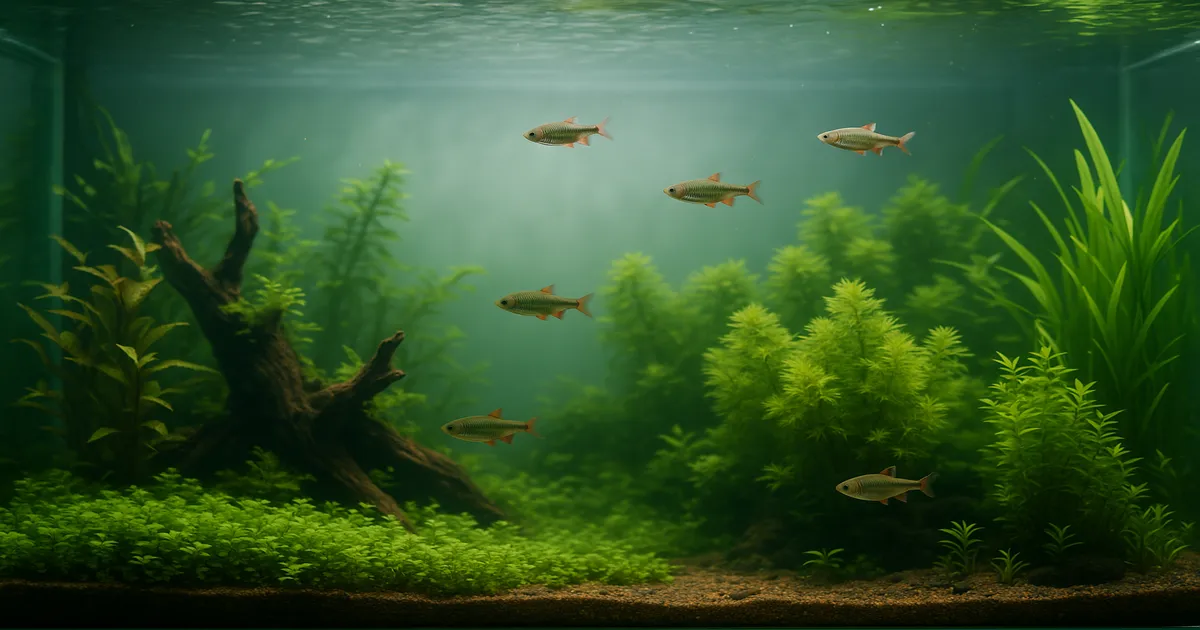
- Small tetras — Neon, Ember, Rummy-nose
- Rasboras — Harlequin, Chili
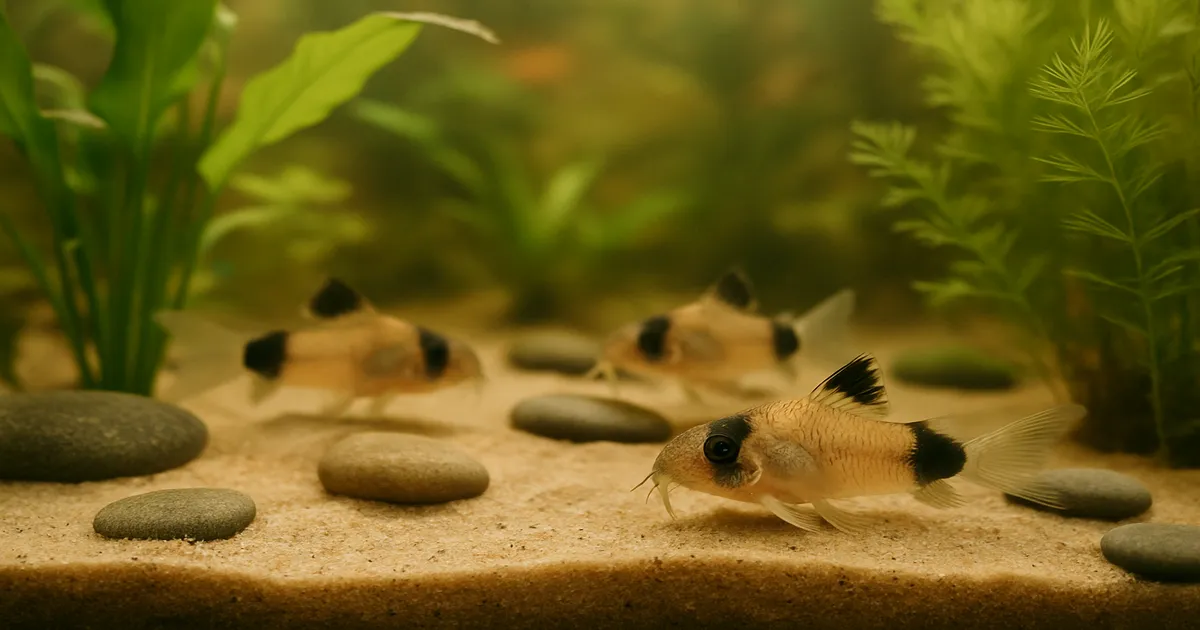
- Corydoras catfish — Pygmy cory, Panda cory (bottom dwellers that don’t compete for surface food)
- Otocinclus catfish — excellent algae eaters, completely non-aggressive
- Kuhli loaches — peaceful, bottom-dwelling, similar water requirements
Avoid Tiger barbs and Serpae tetras — they’ll nip fins and out-hustle a gourami for food. Bettas are a poor choice too; both are labyrinth fish with territorial instincts, and conflict between males is nearly inevitable. Large, boisterous species like Giant danios will simply eat everything before a gourami gets a chance.
In a community tank, feed at two or three locations simultaneously so fast-moving fish spread out. Use a pipette to deliver food directly to your gourami if needed. Watching who eats what during feeding is the quickest way to catch problems early.
Common Health Issues Linked to Poor Feeding
Obesity and Fatty Liver Disease
Chronic overfeeding leads to fat deposits around internal organs, particularly the liver. Affected fish become lethargic, lose colour vibrancy, and are far more susceptible to opportunistic infections. Smaller portions, a weekly fasting day, and more dietary variety are the fix — but damage from long-term overfeeding can be difficult to reverse.
Bloat and Constipation
Bloat often results from too much freeze-dried food, too little variety, or overfeeding in general. Symptoms include a distended belly, loss of appetite, and abnormal buoyancy. Prevention is straightforward: feed a varied diet, include daphnia regularly (it acts as a natural laxative for fish), and observe the weekly fast. Blanched, shelled peas can help clear mild constipation.
Dwarf Gourami Iridovirus (DGIV)
DGIV is the most serious disease threat to this species and has no known cure. Some estimates suggest 22% or more of commercially imported dwarf gouramis carry the virus. Key symptoms include progressive colour loss, wasting, swollen abdomen, and loss of appetite. Because appetite change is often an early sign, your daily feeding observations are genuinely valuable for catching this disease as early as possible. Quarantine all new fish for at least 4–6 weeks, and buy from reputable local breeders whenever possible.
Ich, Velvet, and Bacterial Infections
These are opportunistic conditions that strike most aggressively when fish are stressed or immunocompromised. A gourami stressed by poor water quality, aggressive tank mates, or nutritional deficiency is far more vulnerable. A varied, high-quality diet supports immune resilience. Temperature stability is equally important — fluctuations greater than 2–3°F (1–2°C) within a 24-hour period are a significant stressor. A quality heater with a reliable thermostat is one of the best investments you can make for this species.
Frequently Asked Questions About Feeding Dwarf Gourami
How often should I feed dwarf gourami?
Adults do well on one or two feedings per day. Once daily is sufficient for most healthy adults when portions are appropriate and the diet is varied. Juveniles under three months need 2–3 feedings daily to support their growth rate.
How much food should I give at each feeding?
Offer only as much as your gourami can fully consume within 2–3 minutes. Their stomach is roughly the size of their eye, so portions are smaller than most beginners expect. Remove any uneaten food promptly to protect water quality.
Can I skip a day of feeding my dwarf gourami?
Yes — and it’s actively encouraged. One fasting day per week helps clear the digestive system, reduces tank waste, and prevents the obesity and fatty liver disease that come from chronic overfeeding. Healthy adults handle a 24-hour fast without any negative effects.
Why is my dwarf gourami not eating?
Loss of appetite is one of the most common early signs of illness, including serious conditions like DGIV. It can also be caused by stress from aggressive tank mates, poor water quality, temperature instability, or simply being new to a tank. Check your water parameters first, then assess the tank environment before assuming disease.
What is the best food for dwarf gourami?
The best diet is a varied one. High-quality micro pellets or crushed flakes should form the daily staple, supplemented with frozen or live foods — bloodworms, brine shrimp, and daphnia — 2–3 times per week. Spirulina-based foods and occasional blanched vegetables round out the diet and support both immune health and colour vibrancy.