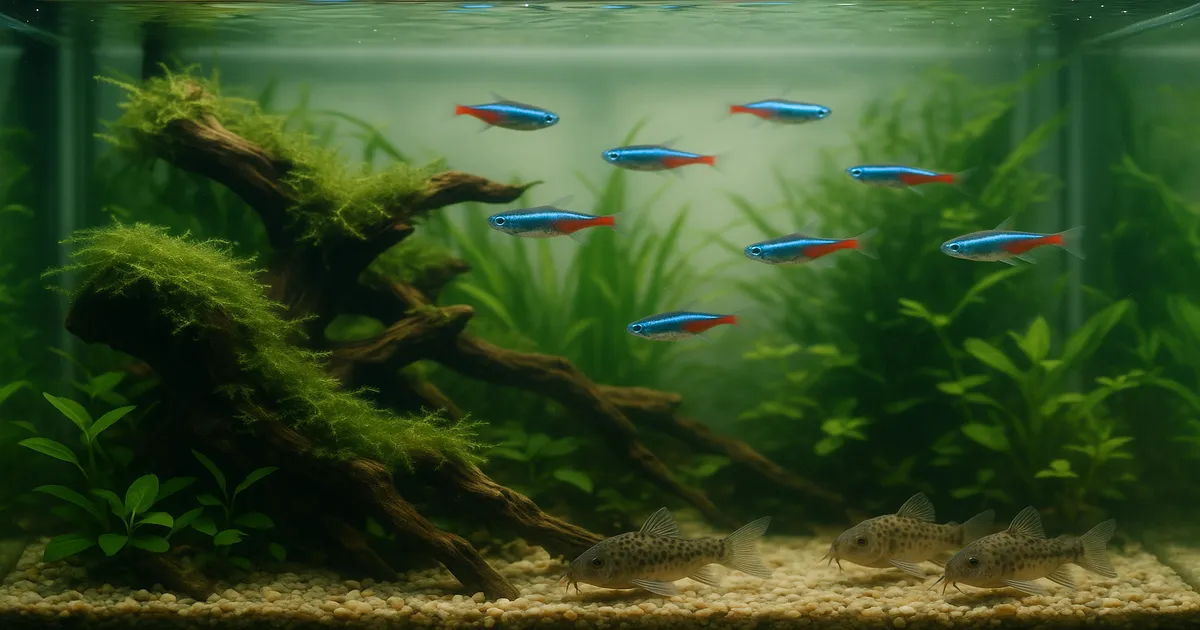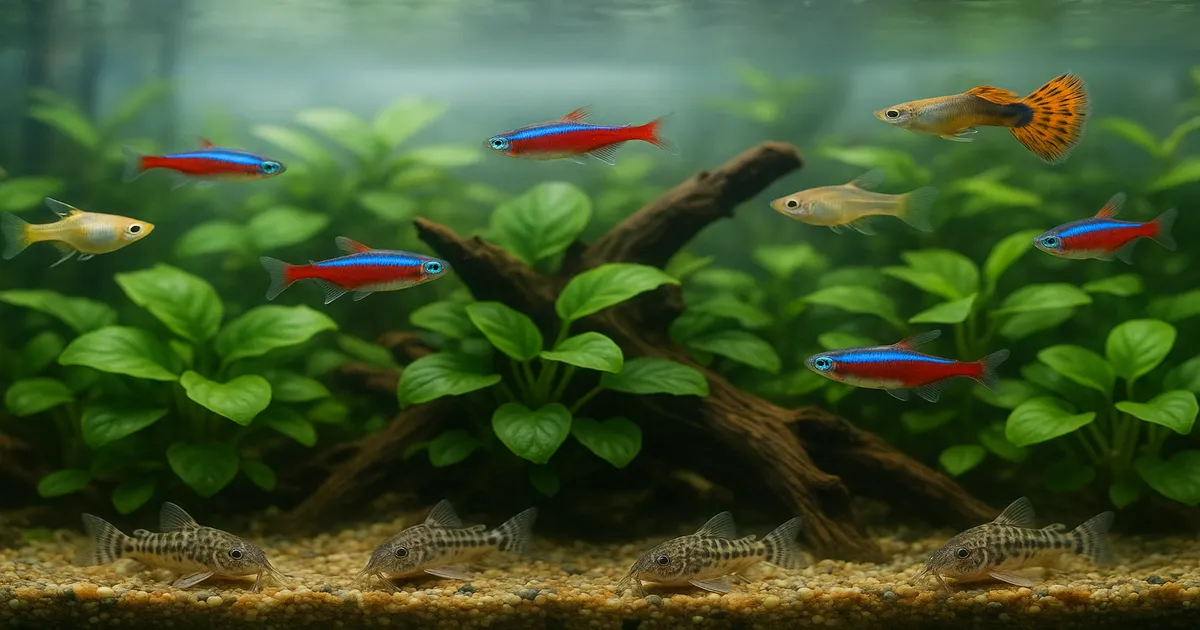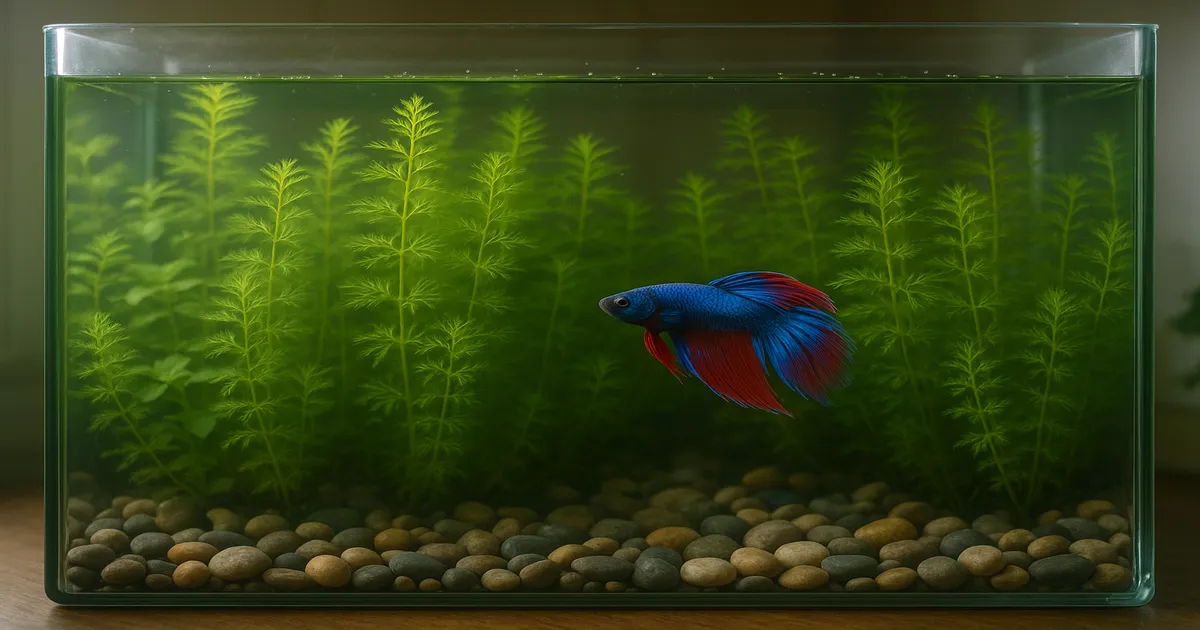
Quick Answer: The best fish for a 10 gallon tank include bettas, ember tetras, chili rasboras, pygmy corydoras, Endler’s livebearers, celestial pearl danios, sparkling gouramis, scarlet badis, and pea puffers. A 10-gallon is a rewarding size, but it requires careful stocking — small water volumes amplify every mistake. Choose species specifically suited to nano tanks, and keep bioload light.
A 10-gallon tank is where most fishkeepers start, and for good reason — it’s affordable, manageable, and capable of looking absolutely stunning. But the best fish for a 10 gallon tank aren’t just “small fish.” They’re species that genuinely thrive at this scale, with compatible temperaments, appropriate bioloads, and care requirements a 10-gallon can realistically meet. Pick the wrong fish, and you’ll be fighting water quality problems from week one.
Best Fish for a 10 Gallon Tank: Top Picks at a Glance
| Species | Size | Experience Level | Best Setup |
|---|---|---|---|
| Betta Fish | 2.5–3 in | Beginner | Solo or species-only |
| Endler’s Livebearer | 1–1.5 in | Beginner | Colony (6–10) |
| Ember Tetra | 0.8 in | Beginner | School of 8–10 |
| Pygmy Corydoras | 1 in | Beginner | Group of 6+ |
| Chili Rasbora | 0.75 in | Intermediate | School of 10–15 |
| Celestial Pearl Danio | 1 in | Intermediate | Group of 8–10 |
| Sparkling Gourami | 1.5 in | Intermediate | Pair or trio |
| Scarlet Badis | 0.8 in | Intermediate–Advanced | Species-only (3–5) |
| Pea Puffer | 1 in | Intermediate | Species-only (1–2) |
How Many Fish Can You Keep in a 10 Gallon Tank?
The old one-inch-per-gallon rule is a starting point, not a formula. It ignores bioload, swimming behavior, and the fact that ten 1-inch fish produce far more waste than one 10-inch fish. A realistic stocking range for a 10-gallon is 1–6 fish for larger or messier species, or 8–15 for true nano fish like chili rasboras or ember tetras in a well-planted, well-filtered tank.
Why a 10 Gallon Tank Needs Careful Stocking
Ten gallons sounds like a lot until you factor in substrate, decorations, and plants — your actual water volume is often closer to 7–8 gallons. That small volume heats and cools quickly, so a drafty room or a faulty heater can swing temperatures dramatically within hours. Ammonia from uneaten food or fish waste also spikes fast when there’s less water to dilute it.
The nitrogen cycle converts toxic ammonia into nitrite, then into the far less harmful nitrate. Beneficial bacteria in your filter media do this work, but they take 4–6 weeks to establish. In a small tank, an uncycled or overloaded filter means ammonia can reach lethal levels in days. Always cycle your tank before adding fish, and test with a liquid test kit — the API Freshwater Master Test Kit is the hobby standard — rather than strips, which are notoriously inaccurate.
The biggest stocking mistakes are goldfish (massive bioload, need 20+ gallons minimum), cichlids (territorial and aggressive), and adding too many fish at once before the cycle is established. Fancy guppies with bettas is another classic error — the betta sees those flowing fins as a rival. Every species in this article was chosen specifically because it fits the biological and spatial reality of a 10-gallon.
Best Fish for a 10 Gallon Tank: Full Species Profiles
1. Betta Fish (Betta splendens): The Classic Solo Showpiece
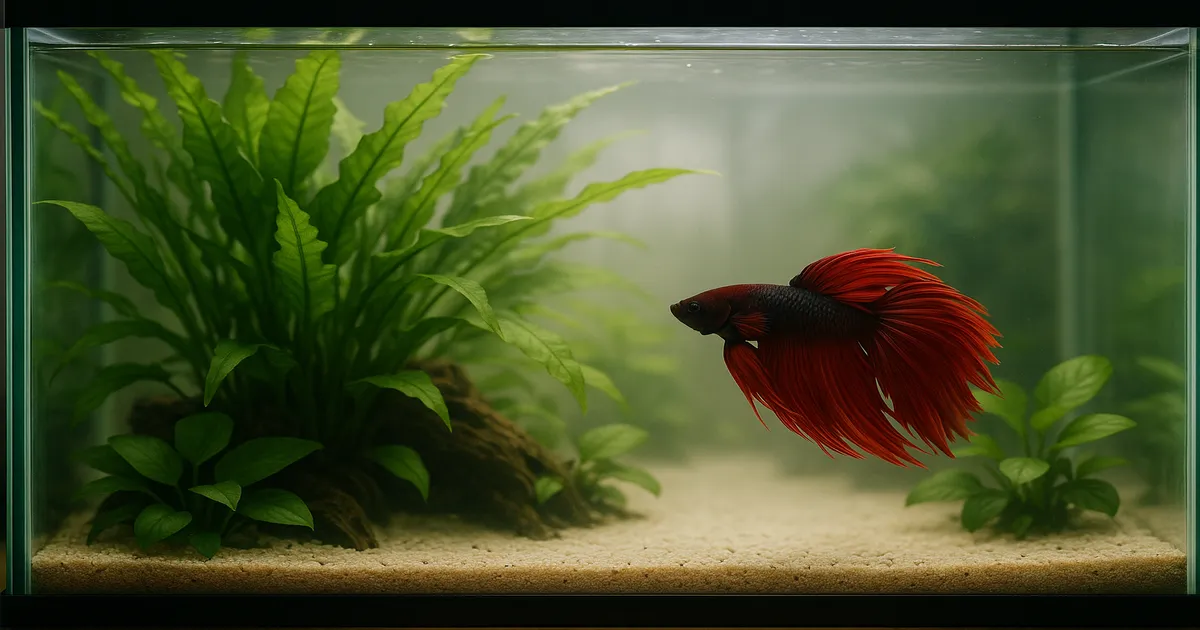
Bettas grow to about 2.5–3 inches and come from slow, heavily vegetated waters in Thailand, Cambodia, and surrounding regions. A single male is a living centerpiece, with colors and finnage that rival anything in the hobby.
Care at a glance:
- Temperature: 76–82°F (24–28°C)
- pH: 6.5–7.5
- GH: 3–12 dGH
- Group size: 1 male only — never two males together
Bettas have a labyrinth organ that lets them breathe atmospheric air, so surface access is non-negotiable. Keep the tank covered — they’re enthusiastic jumpers. Use a gentle sponge filter or baffle your HOB, because strong flow stresses long-finned varieties and damages their fins. Feed a quality betta pellet like Fluval Bug Bites Betta Formula twice daily, supplement with frozen bloodworms or daphnia, and fast one day per week to prevent bloating.
Beginner friendly? Yes — as long as you keep one male per tank and resist the urge to add flashy tank mates.
2. Endler’s Livebearers (Poecilia wingei): Colorful and Hardy Colony Fish
Endlers are tiny livebearers from coastal lagoons in Venezuela, and the males are spectacularly colored for fish under 1.5 inches. Unlike guppies, they stay small enough that a proper colony of 6–10 fits comfortably in 10 gallons.
Care at a glance:
- Temperature: 72–82°F (22–28°C)
- pH: 7.0–8.5
- GH: 12–25 dGH
- Group size: 6–10, with 2–3 females per male
Endlers prefer harder, more alkaline water — the opposite of the soft, acidic conditions chili rasboras need. Don’t mix these two species in the same tank. Dark substrate makes male colors pop dramatically. They breed readily, so be prepared for fry; a sponge filter protects newborns from being sucked in. The Hikari Bacto-Surge Foam Filter is a reliable and affordable option .
Beginner friendly? Yes.
3. Pygmy Corydoras (Corydoras pygmaeus): The Perfect Nano Bottom Dweller
At just 1 inch, pygmy corydoras are one of the few corydoras species genuinely suited to a 10-gallon. What makes them unusual is that they’re not strictly bottom dwellers — they school actively in the mid-water column, darting up and down throughout the day.
Care at a glance:
- Temperature: 72–79°F (22–26°C)
- pH: 6.0–7.5
- GH: 2–12 dGH
- Group size: 6 minimum, 8–10 preferred
Fine sand substrate is important — their sensitive barbels can be damaged by coarse gravel. They’re peaceful with virtually everything and make excellent companions for bettas, chili rasboras, or ember tetras. Feed sinking micro wafers and occasional frozen daphnia or baby brine shrimp.
Beginner friendly? Yes.
4. Chili Rasbora (Boraras brigittae): Tiny, Peaceful, and Stunning in Groups
Chili rasboras max out at about 0.75 inches and come from blackwater peat swamps in Borneo. In a group of 10–15 against a dark substrate and lush planting, they look like glowing embers drifting through the water — genuinely one of the most beautiful nano fish available.
Care at a glance:
- Temperature: 75–82°F (24–28°C)
- pH: 4.0–7.0 (optimal 5.5–6.5)
- GH: 1–5 dGH
- Group size: 10–15
Chili rasboras are sensitive to water quality and need soft, acidic conditions. Indian almond leaves or peat filtration help recreate their natural blackwater environment — SunGrow Indian Almond Leaves are a popular and inexpensive choice . A dark substrate is strongly recommended; on light gravel they look washed out and stressed. Not ideal for hard tap water areas unless you’re willing to use RO water.
Beginner friendly? Intermediate — peaceful and small, but their water chemistry requirements are specific.
5. Ember Tetra (Hyphessobrycon amandae): Warm-Toned Schooling Fish for Planted Tanks
Ember tetras are 0.8-inch fish from the Araguaia River basin in Brazil. Their warm orange-red coloring is perfectly offset by green plants, and they’re one of the most forgiving nano species on this list — peaceful, hardy, and tolerant of a range of conditions.
Care at a glance:
- Temperature: 73–84°F (23–29°C)
- pH: 5.5–7.0
- GH: 1–10 dGH
- Group size: 8–10 minimum
Ember tetras are a great first schooling fish. They’re active without being boisterous, they won’t nip fins, and they’ll accept quality micro pellets and crushed flake readily. Their tolerance for warmer temperatures makes them compatible with bettas — though individual betta temperament always determines whether that pairing works.
Beginner friendly? Yes.
6. Celestial Pearl Danio (Danio margaritatus): Galaxy-Patterned Nano Gem
Discovered only in 2006, celestial pearl danios caused a sensation when they hit the hobby — and they still do. Their deep blue bodies are dotted with pearl-white spots, with vivid orange-red fins. They reach about 1 inch and come from small, heavily vegetated ponds in Myanmar.
Care at a glance:
- Temperature: 73–79°F (23–26°C)
- pH: 6.5–7.5
- GH: 8–15 dGH
- Group size: 8–10, with more females than males
CPDs are shy and need dense plant cover to feel secure. Without hiding spots, they’ll spend most of their time hiding — which defeats the purpose. Males can be mildly competitive with each other, so keeping more females than males helps. Feed micro pellets and baby brine shrimp for best coloring.
Beginner friendly? Intermediate — not difficult, but they need the right environment to show their colors.
7. Sparkling Gourami (Trichopsis pumila): The Underrated Labyrinth Fish
Sparkling gouramis are criminally underrated. At 1.5 inches, they’re the smallest labyrinth fish commonly available, and they produce a quiet, audible croaking sound — especially during courtship. They come from slow, shallow waters across Southeast Asia.
Care at a glance:
- Temperature: 76–82°F (24–28°C)
- pH: 6.0–7.5
- GH: 2–10 dGH
- Group size: pair or trio (1 male, 2 females)
Like bettas, they need surface access for their labyrinth organ. They’re peaceful enough for a community setup but can be outcompeted for food by faster fish. Keep them with similarly calm, small species. Their iridescent blue-green fins are best appreciated in a well-planted tank with subdued lighting.
Beginner friendly? Intermediate.
8. Scarlet Badis (Dario dario): A Specialist’s Micro Predator
Scarlet badis are stunning — males are deep red with blue iridescent banding — but they come with a significant caveat: they almost always refuse dry food. If you’re not willing to maintain a supply of live or frozen foods, this isn’t your fish.
Care at a glance:
- Temperature: 72–79°F (22–26°C)
- pH: 6.5–7.5
- GH: 5–15 dGH
- Group size: 3–5 in a species-only setup (1 male per 2–3 females)
Males are territorial with each other, so provide plenty of visual breaks with plants and hardscape. Feed frozen baby brine shrimp, daphnia, and microworms — live foods are ideal. They’re small enough to be bullied by most community fish, so a species-only tank is the safest approach.
Beginner friendly? No — intermediate to advanced.
9. Pea Puffer (Carinotetraodon travancoricus): The Charismatic Solo Oddball
Pea puffers are the world’s smallest pufferfish, maxing out at 1 inch, and they have personality to spare — they’ll follow your finger, investigate everything, and make eye contact in a way most fish don’t. They come from rivers in Kerala, India.
Care at a glance:
- Temperature: 74–82°F (23–28°C)
- pH: 6.5–7.5
- GH: 5–15 dGH
- Group size: 1–2 in a 10-gallon (species-only)
Pea puffers are aggressive fin-nippers and will harass or kill tank mates. Keep them alone or in a species-only setup — even then, watch for inter-puffer aggression. They’re strict carnivores: frozen bloodworms, snails (which also help wear down their ever-growing teeth), daphnia, and baby brine shrimp. They rarely accept dry food.
Beginner friendly? Intermediate — manageable care, but dietary needs and aggression require planning.
Invertebrates for a 10 Gallon Tank
Nerite snails are among the most useful additions to any 10-gallon. They graze algae off glass, substrate, and plant leaves with impressive efficiency, and — crucially — they cannot breed in freshwater. You’ll never have a nerite population explosion. Zebra, horned, and olive nerites are all widely available and compatible with most fish on this list.
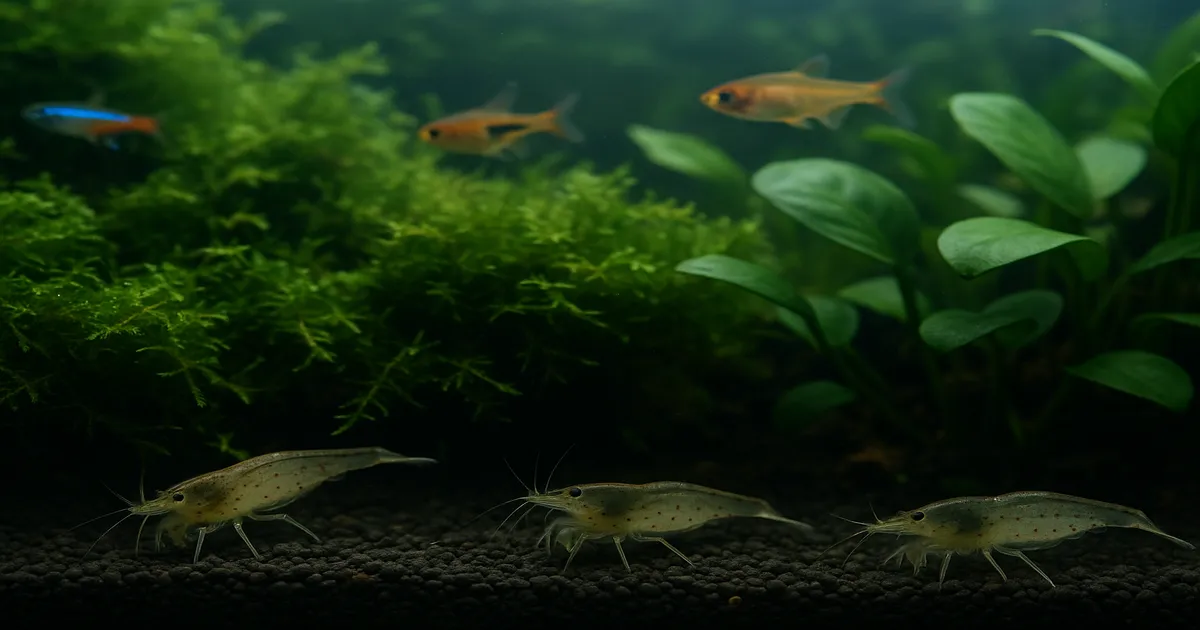
Amano shrimp are the gold standard for algae and debris cleanup. They’re larger and more robust than cherry shrimp, which means fewer fish can eat them — but bettas and pea puffers absolutely will. In a peaceful community with ember tetras, pygmy corydoras, or Endlers, a group of 3–5 Amanos is an excellent addition.
Water Parameters and Tank Setup
Water Parameters Quick Reference
| Species | Temp °F (°C) | pH | GH (dGH) |
|---|---|---|---|
| Betta | 76–82 (24–28) | 6.5–7.5 | 3–12 |
| Endler’s Livebearer | 72–82 (22–28) | 7.0–8.5 | 12–25 |
| Pygmy Corydoras | 72–79 (22–26) | 6.0–7.5 | 2–12 |
| Chili Rasbora | 75–82 (24–28) | 4.0–7.0 | 1–5 |
| Ember Tetra | 73–84 (23–29) | 5.5–7.0 | 1–10 |
| Celestial Pearl Danio | 73–79 (23–26) | 6.5–7.5 | 8–15 |
| Sparkling Gourami | 76–82 (24–28) | 6.0–7.5 | 2–10 |
| Scarlet Badis | 72–79 (22–26) | 6.5–7.5 | 5–15 |
| Pea Puffer | 74–82 (23–28) | 6.5–7.5 | 5–15 |
Filtration
A sponge filter is the top recommendation for most 10-gallon setups. It provides gentle flow, excellent biological filtration, and won’t suck in fry or small shrimp. The Aquarium Co-Op Sponge Filter is a popular choice that fits the bill . For tanks with heavier bioloads, a hang-on-back (HOB) filter with a pre-filter sponge over the intake is a solid alternative — just baffle the outflow to reduce current for bettas and sparkling gouramis.
Heating and Substrate
A 25–50W adjustable heater is appropriate for a 10-gallon. The Eheim Jager is a reliable, widely trusted option . Aim for 8–10 hours of light per day — a simple outlet timer takes the guesswork out of it. For substrate, fine sand suits most species on this list and is essential for pygmy corydoras; dark-colored sand or gravel brings out the best colors in chili rasboras and CPDs.
Frequently Asked Questions
Can I keep a betta with other fish in a 10 gallon tank? Sometimes. Bettas vary widely in temperament — some tolerate calm, non-flashy tank mates like pygmy corydoras or ember tetras, while others will attack anything that moves. Always have a backup plan if your betta turns aggressive. Never add guppies or other long-finned fish.
What fish can I keep together in a 10 gallon tank? Good community combinations include ember tetras with pygmy corydoras, chili rasboras in a species-only or paired-with-corydoras setup, and Endler’s livebearers as a colony. Avoid mixing species with very different water chemistry needs — Endlers and chili rasboras, for example, are incompatible.
How often should I do water changes on a 10 gallon tank? Weekly water changes of 25–30% are the standard recommendation. Small tanks accumulate nitrates faster than large ones, so consistency matters more than volume. Test your water regularly, especially in the first few months.
Can goldfish live in a 10 gallon tank? No. Even a single common goldfish needs 20–30 gallons minimum, and fancy goldfish need at least 20 gallons for the first fish plus 10 gallons per additional fish. Their bioload is enormous for a small tank, and they produce ammonia at a rate that a 10-gallon filter simply cannot handle.
Do I need a heater for a 10 gallon tank? For most tropical fish on this list, yes. The majority need temperatures between 72–82°F, which is above typical room temperature in most homes. An adjustable 25W heater gives you precise control and is worth the investment.