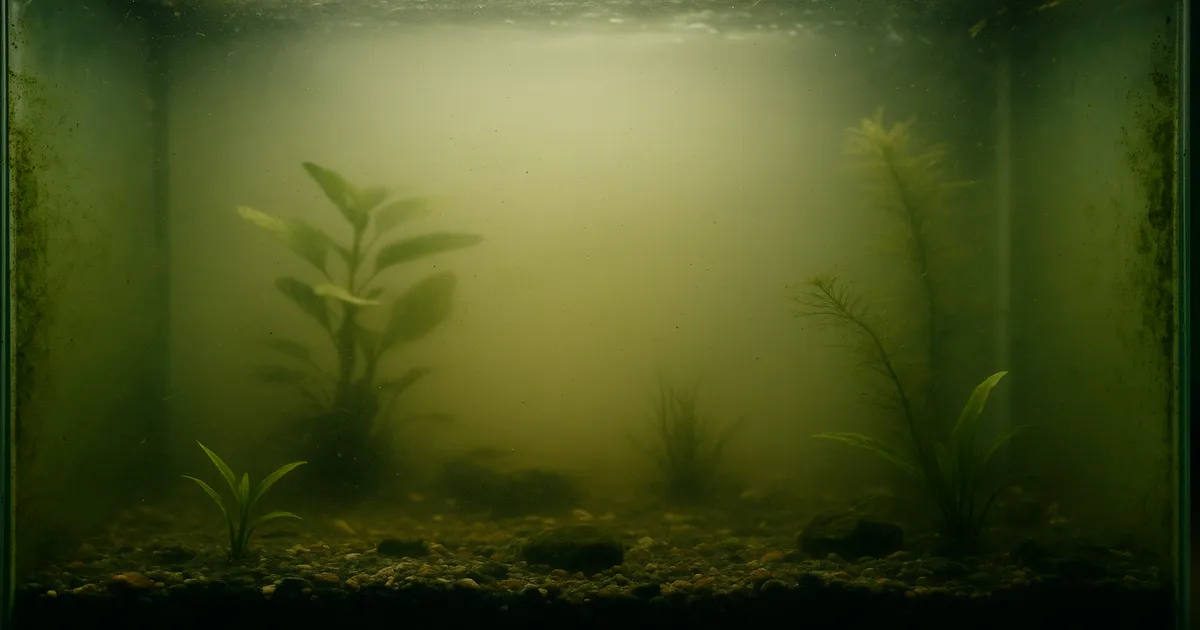
Quick Answer: A crashed aquarium cycle happens when your established beneficial bacteria colony collapses, sending ammonia and nitrite to dangerous levels. To fix it fast: test your water immediately, perform a 25–50% water change with dechlorinated water, dose an ammonia detoxifier like Seachem Prime, re-seed with bottled or established bacteria, and cut feeding drastically. Recovery typically takes 1–3 weeks depending on how badly the colony was damaged.
If your fish are gasping at the surface, acting lethargic, or showing red-tinged gills in a tank that was running fine last week, you may be dealing with a crashed aquarium cycle — and every hour counts. This is one of the most common causes of sudden fish death in established tanks, and it’s fixable if you act quickly and methodically.
What a Crashed Aquarium Cycle Actually Means
A cycle crash is not the same as New Tank Syndrome. New Tank Syndrome happens when you’re building a bacterial colony from scratch. A crash happens in a tank that was stable — your established colony of nitrifying bacteria has been partially or completely wiped out, and toxic ammonia and nitrite are now accumulating faster than any remaining bacteria can process them.
The bacteria responsible — primarily Nitrosomonas and Nitrospira species — live on filter media, substrate, and tank surfaces. They’re surprisingly fragile. A single bad water change, a course of antibiotics, or a 12-hour power outage can collapse a colony that took months to build.
How to Fix a Crashed Aquarium Cycle: 7 Steps
Step 1 — Test Everything Before You Act
Don’t guess. Grab a liquid test kit and test ammonia, nitrite, nitrate, pH, and KH before doing anything else. The results determine how aggressive your response needs to be. Strip tests aren’t accurate enough in a crisis.
Step 2 — Perform an Emergency Water Change
A 25–50% water change dilutes ammonia and nitrite immediately, buying your fish time while you address the underlying problem. Use water that’s temperature-matched to your tank and fully dechlorinated. Adding untreated tap water during an emergency is one of the worst things you can do — chlorine will kill whatever bacteria you have left.
Step 3 — Dose an Ammonia Detoxifier
Seachem Prime is the gold standard here. It converts toxic free ammonia (NH₃) to the less harmful ammonium (NH₄⁺) form for approximately 48 hours, giving your bacteria time to catch up. API Ammo Lock works similarly.
One important caveat: neither product removes ammonia from your tank or your test results. Your ammonia reading will still look high after dosing — that’s normal. Redose every 48 hours until your cycle stabilizes.
Step 4 — Re-Seed With Beneficial Bacteria
This is the most critical recovery step. Your options, ranked by effectiveness:
- Established filter media from a healthy tank — squeezing a sponge or rinsing ceramic rings from a cycled tank into your water is the fastest re-seed possible
- Bottled bacteria products — Tetra SafeStart Plus and Seachem Stability are the most consistently effective options; dose generously and repeat daily for the first week
- A sponge filter from a cycled tank — drop it directly into your crash tank as a temporary bacterial colony
- Substrate from a healthy tank — a cup of established gravel or sand adds bacteria, though less concentrated than filter media
Step 5 — Stabilize pH and KH
Bacteria can’t rebuild in unstable water chemistry. If your KH is below 4 dKH, raise it to the 4–8 dKH range. Adding crushed coral to a mesh bag in your filter is the gentlest method — it dissolves slowly and won’t spike pH. If you need a faster fix, add baking soda (sodium bicarbonate) gradually: no more than a quarter teaspoon per 10 gallons at a time, retesting between doses.
Target a stable pH of 7.0–8.0. Nitrifying bacteria show optimal activity around 7.5–8.0 and slow dramatically below pH 6.5.
Step 6 — Maximize Oxygen and Hold Temperature Steady
Nitrifying bacteria are obligate aerobes — they need dissolved oxygen to function. Add an air stone, increase surface agitation with your filter outlet, or angle a spray bar to maximize gas exchange. Aim for dissolved oxygen above 7 mg/L. Hold temperature steady at 78–82°F (26–28°C), which is the sweet spot for rapid bacterial reproduction. Avoid swings greater than 2°F in any 24-hour period during recovery.
Step 7 — Test Daily and Repeat Until Parameters Hold
Test ammonia, nitrite, and pH every single day. Redose Prime every 48 hours. Repeat water changes whenever ammonia exceeds 1.0 ppm or nitrite exceeds 0.5 ppm. You’ll know you’re through it when both hold at 0 ppm for at least 5–7 consecutive days without intervention.
What Causes an Aquarium Cycle to Crash?
Medications are the most common trigger hobbyists don’t see coming. Antibiotics like erythromycin, kanamycin, and nitrofurazone are particularly destructive to nitrifying bacteria. Metronidazole is somewhat less damaging but can still stress a colony. If you dosed your display tank to treat a sick fish, there’s a real chance you’ve also wiped out your cycle.
Chlorine exposure during water changes is equally dangerous. Municipal water contains chlorine or chloramine specifically to kill bacteria. Your fish may survive brief exposure; your biofilm often won’t. Always use a full-dose dechlorinator — even for a simple top-off.
Improper filter maintenance is another common culprit. Rinsing media under the tap, replacing all your media at once, or running your filter dry even briefly can devastate your colony. Without oxygenated water flowing through the media, nitrifying bacteria begin dying within 1–2 hours in some ceramic media types.
Temperature swings, pH crashes, and power outages round out the main causes. A temperature change of more than 5°F (3°C) in 24 hours stresses the colony. An extended power outage stops water flow entirely, starving bacteria of oxygen. A pH crash — often triggered by depleted carbonate hardness — can wipe out bacterial activity almost overnight.
Warning Signs: Water Parameters During a Crash
The Danger-Zone Parameter Table
| Parameter | Crashed / Danger Zone | Acceptable | Ideal |
|---|---|---|---|
| Ammonia (NH₃/NH₄⁺) | > 1.0 ppm | 0–0.25 ppm | 0 ppm |
| Nitrite (NO₂⁻) | > 0.5 ppm | 0–0.25 ppm | 0 ppm |
| Nitrate (NO₃⁻) | > 80 ppm | < 40 ppm | < 20 ppm |
| pH | < 6.0 or > 9.0 | 6.5–8.5 | 7.0–8.0 |
| KH (Carbonate Hardness) | < 2 dKH | 3–8 dKH | 4–8 dKH |
| Temperature | < 50°F (10°C) or > 95°F (35°C) | 65–86°F (18–30°C) | 77–82°F (25–28°C) |
| Dissolved Oxygen | < 4 mg/L | 5–8 mg/L | > 7 mg/L |
Free Ammonia vs. Ammonium — Why pH Matters
Your test kit measures total ammonia, but not all ammonia is equally dangerous. It exists as toxic free ammonia (NH₃) and relatively harmless ammonium (NH₄⁺), and the ratio shifts with pH and temperature. At pH 7.0 and 77°F (25°C), only about 0.5% of your total ammonia reading is the toxic form. At pH 8.0 and 86°F (30°C), that jumps to roughly 8%.
A reading of 2 ppm total ammonia is far more dangerous in a warm, alkaline tank than in a cooler, neutral one. During recovery, keeping pH in the 7.0–7.5 range reduces free ammonia toxicity while still supporting bacterial activity.
The KH Problem Most Hobbyists Miss
Nitrification consumes alkalinity. As your bacteria process ammonia, they deplete carbonate hardness (KH). When KH drops below 3 dKH, your pH buffer collapses and pH can crash overnight. Bacterial activity drops sharply below pH 6.5 and becomes essentially negligible below pH 6.0 — meaning a KH problem can silently kill your cycle with no obvious single cause. Always test KH alongside ammonia and nitrite.
Protecting Your Fish During a Crashed Cycle
Which Fish Are Most Vulnerable
Sensitive species needing priority protection include discus (Symphysodon spp.), altum angelfish, corydoras catfish, and virtually all marine species. More tolerant fish — goldfish, zebra danios, white cloud mountain minnows, and most livebearers — can handle moderate ammonia spikes better, though “tolerant” doesn’t mean “immune.”
Shrimp and invertebrates should be removed immediately. Neocaridina and Caridina shrimp are often the first casualties, frequently dying before fish show any symptoms. Nerite and mystery snails are somewhat tougher but still vulnerable above 1 ppm ammonia. Don’t wait to see if they’ll make it.
Using Aquarium Salt Against Nitrite Toxicity
If nitrite is elevated, add non-iodized aquarium salt at 1–3 g/L. Chloride ions compete with nitrite for uptake through gill chloride cells, dramatically reducing how much nitrite enters the fish’s bloodstream. This is specific to nitrite — it won’t help with ammonia — but it’s one of the most effective emergency tools available.
Treating Crash-Related Illness
Fish with ammonia burns show red or inflamed gills, cloudy eyes, fin damage, and surface gasping. Most recover once ammonia is controlled, though severe gill damage can take weeks to heal fully.
Nitrite poisoning (brown blood disease) causes rapid, labored gill movement and sudden lethargy. In severe cases, gills appear brown rather than red. Treat with an emergency water change, aquarium salt at 1–3 g/L, and increased surface aeration.
Do not treat secondary infections in your display tank. A crashed cycle suppresses fish immune systems, and opportunistic bacteria like Aeromonas and Columnaris exploit that quickly. Antibiotics used in the display tank will kill your remaining nitrifying bacteria and make the crash dramatically worse. Always use a separate hospital tank.
Managing Feeding and Bioload During Recovery
Cut feeding by 50–75% immediately, or stop entirely for 24–48 hours. Fish can safely go 5–7 days without food; ammonia toxicity can kill them in hours. Every gram of food you add generates more ammonia — both through fish metabolism and through decomposition of anything uneaten.
If you do feed, use small amounts of high-quality sinking pellets that produce minimal waste. Avoid flake food — it breaks apart quickly, clouds the water, and decomposes fast in the substrate.
Also do a thorough inspection before each water change. Remove dead or dying plant leaves, check every corner for dead fish, and vacuum the substrate to pull out decomposing food. A single decomposing body can sustain a crash indefinitely no matter how many water changes you do.
How to Prevent Your Aquarium Cycle From Crashing Again
Maximize biological filtration surface area with quality media — ceramic rings, sintered glass like Seachem Matrix , or dense sponge. Never replace all your filter media at once; swap out no more than one-third at a time with several weeks between changes. Always rinse media in a bucket of old tank water, never under the tap.
Run a backup sponge filter continuously. A small sponge filter running in your main tank costs almost nothing and could save everything. The dense foam retains moisture and bacteria for 4–6 hours during a power outage — significantly longer than many ceramic media types. If your main filter fails, that sponge is an instant re-seed source.
Always treat sick fish in a hospital tank. Before using any medication — including herbal or “natural” remedies — research whether it’s bactericidal. Erythromycin, kanamycin, and metronidazole can all damage your cycle in a display tank. If you must medicate the main tank, run extra biological media and monitor ammonia and nitrite closely for two weeks after treatment.
Protect your water changes. Match the temperature of your change water to your tank before adding it. Always dechlorinate fully. If your tap water contains chloramine (a chlorine-ammonia compound used in many municipal systems), make sure your dechlorinator specifically neutralizes chloramine — standard sodium thiosulfate products do not.
Frequently Asked Questions
How long does it take to fix a crashed aquarium cycle? Most crashes resolve in 1–3 weeks with aggressive intervention — daily testing, regular water changes, ammonia detoxifier, and a strong bacterial re-seed. Mild crashes with partial colony survival can stabilize in as little as 5–7 days. Severe crashes where the colony was completely wiped out may take the full 3 weeks or slightly longer.
Can fish survive a crashed cycle? Yes, many fish survive a crashed cycle if you act quickly. The key steps are reducing ammonia and nitrite through water changes, dosing an ammonia detoxifier like Seachem Prime, and removing the most sensitive livestock — especially shrimp — to a safe tank. Tolerant species like goldfish and danios have a much higher survival rate than sensitive species like discus or corydoras.
Will my cycle recover on its own without intervention? Rarely, and not safely. Without intervention, ammonia and nitrite will continue rising as fish waste accumulates, and most fish will die before the colony rebuilds. Active re-seeding, water changes, and ammonia detoxification are essential to give both your fish and your bacteria a fighting chance.
Does Seachem Prime interfere with the nitrogen cycle? No. Prime converts ammonia to ammonium, which nitrifying bacteria can still process. It doesn’t kill bacteria or halt the cycle. Your test kit will still show elevated ammonia after dosing because it measures total ammonia — but the toxic free ammonia fraction is neutralized for approximately 48 hours.
How do I know my cycle has fully recovered? Your cycle is stable when ammonia and nitrite both read 0 ppm for at least 5–7 consecutive days without water changes or detoxifier doses. Nitrate should be rising slowly, which confirms your bacteria are actively processing ammonia all the way through the cycle.