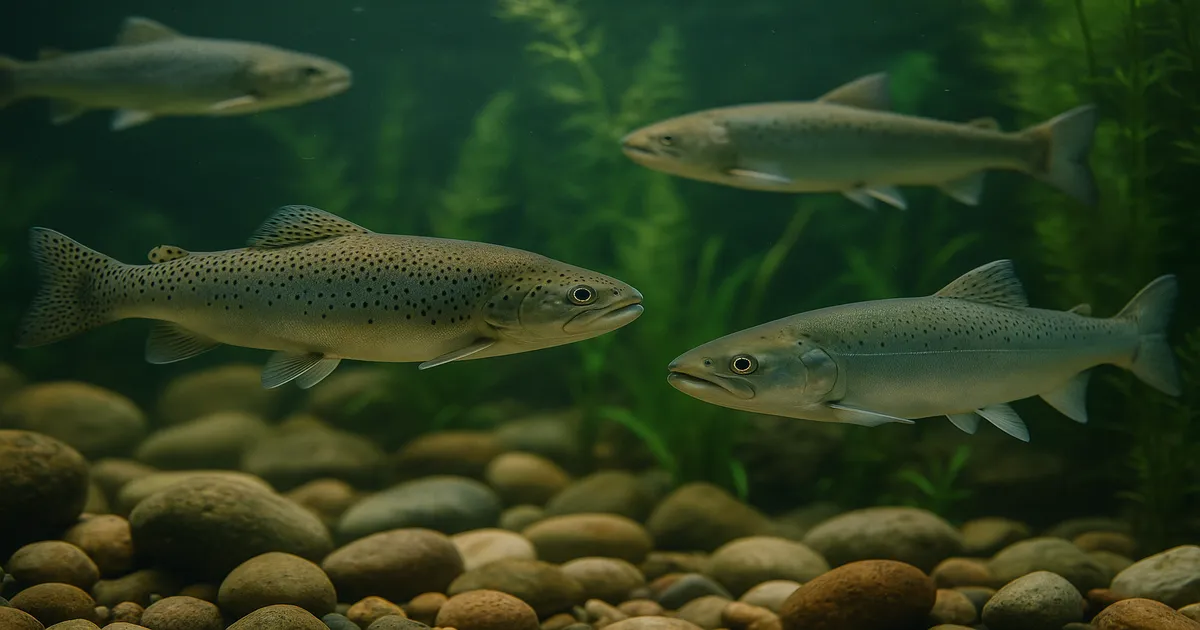
Quick Answer: The best fish for dogs to eat is sardines canned in water (no salt added) — low mercury, high omega-3, soft safe bones, and affordable. For maximum omega-3 potency, cooked salmon is the premium pick. The core rule for any fish: always cooked or canned in water, never seasoned, and never raw Pacific salmon.
Choosing the best fish for dogs to eat doesn’t have to be complicated — but it does require knowing which species are safe, how to prepare them, and how often to serve them. Get it right and you’re adding a genuinely powerful whole food to your dog’s diet, one that supports coat health, joint function, and reduces inflammation. Get it wrong and you risk mercury accumulation, sodium overload, or in the worst case, salmon poisoning disease.
This guide covers ten species in detail, with a comparison table, individual mini-reviews, and clear recommendations by use case.
What to Look For When Choosing Fish for Dogs to Eat
Omega-3 Content (EPA + DHA)
EPA and DHA are the omega-3 fatty acids that actually do the work — reducing inflammation, supporting brain development, and improving skin and coat condition. For an average 50 lb dog, veterinary nutritionists typically target 300–600 mg of combined EPA+DHA per serving. Fatty fish like salmon, sardines, mackerel, and herring deliver this easily. Lean whitefish like cod and tilapia don’t, so species selection matters enormously if omega-3 is your goal.
Mercury Levels and Heavy Metal Safety
Mercury accumulates through the food chain. The larger and longer-lived the predatory fish, the higher its mercury load. Sardines, anchovies, herring, cod, and tilapia sit low on the food chain and carry minimal risk. King mackerel, swordfish, shark, and tilefish are at the other extreme and should never be fed to dogs. Smaller dogs are proportionally more vulnerable to mercury toxicity than large breeds, so frequency limits matter more for a 10 lb Chihuahua than a 90 lb Labrador.
Sodium Content in Canned Varieties
Dogs should consume fewer than 100 mg sodium per 100 calories (per NRC guidelines). Canned fish packed in brine can contain 400–800 mg sodium per serving — genuinely dangerous for regular feeding. Always choose water-packed, no-salt-added varieties. If brine-packed is your only option, a thorough rinse under cold water reduces sodium significantly, though water-packed is always preferable.
Bone Safety: Soft vs. Brittle
This is where many well-meaning dog owners make a critical error. Cooked fish bones become brittle and can splinter, causing esophageal or intestinal perforation — always debone any fish you cook at home. Canned fish bones are a completely different story: the pressure-cooking process softens them until they’re fully safe to eat. Raw bones from small whole fish (sardines, smelt) are generally soft and safe. The rule is simple: canned bones are fine, cooked bones are not.
Preparation Method
Cook fish to an internal temperature of 145°F (63°C) to eliminate parasites and pathogens. Baking, steaming, boiling, and poaching are all fine. Frying adds unnecessary fat, and any seasoning — garlic, onion, lemon, salt, butter — ranges from harmful to outright toxic for dogs. For raw feeders, the FDA recommends freezing fish at -4°F (-20°C) for 7 days before serving to kill most parasites.
Wild-Caught vs. Farm-Raised
Wild-caught fish generally offers a higher omega-3 profile but carries greater parasite risk, particularly relevant for Pacific salmon. Farm-raised fish tends to be lower in mercury and more affordable, though omega-3 content varies depending on feed. MSC-certified Alaskan salmon and Pacific sardines are excellent wild-caught choices; US-farmed tilapia and rainbow trout are solid farm-raised options.
Best Fish for Dogs to Eat: Species Comparison Table
| Species | Best Form | Omega-3 per 100g | Mercury Risk | Sodium Risk | Bone Safety | Recommended Frequency |
|---|---|---|---|---|---|---|
| Salmon | Cooked/canned | ~2,000 mg | Low–moderate | Low (fresh) | Debone cooked; canned safe | 2–3x/week |
| Sardines | Canned in water | ~1,400 mg | Very low | Low if water-packed | Soft (canned) — safe | 2–3x/week |
| Atlantic Mackerel | Canned/cooked | ~2,600 mg | Low (Atlantic only) | Low if water-packed | Debone cooked | 2–3x/week |
| Cod/Pollock/Haddock | Cooked | ~200 mg | Very low | Very low | Debone cooked | Daily (as protein) |
| Herring | Canned/freeze-dried | ~1,700 mg | Very low | Low if unsalted | Soft (canned) — safe | 2–3x/week |
| Canned Light Tuna | Canned in water | ~270 mg | Moderate | Low if water-packed | N/A | Max 1x/week |
| Tilapia | Cooked | ~135 mg | Very low | Very low | Debone cooked | 3–4x/week |
| Anchovies | Canned/freeze-dried | ~1,400 mg | Very low | High if salted | Small/soft — safe | 2–3x/week |
| Trout | Cooked | ~1,000 mg | Very low | Very low | Debone cooked | 2–3x/week |
| Flounder | Cooked | ~300 mg | Very low | Very low | Debone cooked | 3–4x/week |
⚠️ Species to avoid entirely: King mackerel, swordfish, shark, and tilefish all carry very high mercury levels. Raw Pacific salmon and raw trout carry Neorickettsia helminthoeca (salmon poisoning disease) and should never be fed uncooked. Smoked fish and any seasoned fish are also off the table.
Sardines: Best Overall Fish for Dogs
Sardines are the gold standard for feeding fish to dogs, and it’s not particularly close. They sit at the bottom of the marine food chain, so mercury bioaccumulation is negligible. The bones in canned sardines are pressure-cooked until completely soft — your dog can eat the whole fish safely. At roughly $1–2 per can, they’re also one of the most affordable nutrition upgrades you can make.
Key specs:
- Protein: 21g / 100g
- Fat: 11g / 100g
- Omega-3: ~1,400 mg / 100g
- Mercury: Very low
- Calories: ~185 kcal / 100g
Pros
- Very low mercury — safe for small dogs and frequent feeding
- High omega-3 content that rivals much more expensive options
- Pressure-cooked bones are fully safe to eat
- Widely available, shelf-stable, and inexpensive
Cons
- Sodium risk is real — brine-packed varieties must be avoided; always choose water-packed, no salt added
- The smell is strong enough to clear a room (your dog will love this; you may not)
Best for: Any dog owner looking for the easiest, safest, most nutritionally complete fish to add to their dog’s regular diet.
Salmon: Best for Omega-3 Potency
Salmon delivers the highest omega-3 profile of any commonly available fish — roughly 2,000 mg per 100g — and most dogs find it highly palatable. It’s the premium choice for dogs with inflammatory conditions, skin issues, or joint problems where maximising EPA+DHA matters. The critical caveat: raw Pacific salmon can kill your dog. It carries Neorickettsia helminthoeca, a rickettsial organism transmitted through a fluke parasite, causing salmon poisoning disease that is fatal in approximately 90% of untreated cases. Always cook to 145°F (63°C), no exceptions.
Key specs:
- Protein: 25g / 100g
- Fat: 13g / 100g
- Omega-3: ~2,000 mg / 100g
- Mercury: Low–moderate
- Calories: ~208 kcal / 100g
Pros
- Exceptional omega-3 content — the highest of commonly fed species
- High protein with excellent digestibility
- Widely available fresh, frozen, and canned
- Most dogs find the flavour irresistible
Cons
- Raw Pacific salmon and trout carry a potentially fatal disease risk — no exceptions to the cooking rule
- Higher cost than sardines or mackerel
- Moderate mercury means daily feeding is not ideal for small dogs
Best for: Dogs with inflammatory conditions, skin problems, or joint issues where maximum omega-3 intake is the priority.
Atlantic Mackerel: Best Budget Omega-3 Source
Atlantic mackerel offers the highest omega-3 content of any fish commonly fed to dogs — around 2,600 mg per 100g — at a price point that makes it practical for large-breed owners who need meaningful serving sizes. There’s one critical species confusion to address clearly: Atlantic mackerel is safe; king mackerel is not. King mackerel is a large, long-lived predatory fish with very high mercury levels. When buying canned mackerel, always check the label.
Key specs:
- Protein: 24g / 100g
- Fat: 16g / 100g
- Omega-3: ~2,600 mg / 100g
- Mercury: Low (Atlantic species only)
- Calories: ~262 kcal / 100g
Pros
- Highest omega-3 content of all commonly fed species
- Affordable, especially in canned form
- Excellent value for large dogs needing bigger servings
Cons
- Species confusion is a genuine risk — king mackerel should never be fed to dogs
- High fat content (16g/100g) may cause GI upset or trigger pancreatitis flares in sensitive dogs
- Strong odour
Best for: Large-breed dog owners who want maximum omega-3 value per dollar, provided they source Atlantic mackerel specifically.
Cod, Pollock, and Haddock: Best Lean Protein Option
These whitefish are the go-to choice when lean protein is the priority rather than omega-3 supplementation. Very low mercury, almost no fat, and high digestibility make them ideal for dogs managing their weight or recovering from pancreatitis. The trade-off is minimal omega-3 content — if you’re feeding cod or pollock as a primary protein, add a fish oil supplement separately.
Key specs (Cod):
- Protein: 23g / 100g
- Fat: 1g / 100g
- Omega-3: ~200 mg / 100g
- Mercury: Very low
- Calories: ~105 kcal / 100g
Pros
- Very low mercury — safe for frequent feeding
- Extremely low fat — ideal for pancreatitis-prone or overweight dogs
- Mild flavour that most dogs accept readily
- High protein digestibility
Cons
- Low omega-3 content — not a useful source of EPA/DHA; supplement separately
- Less nutritionally dense than fatty fish overall
- Must be fully cooked; always debone
Best for: Dogs with pancreatitis history, weight management needs, or any dog requiring a lean, highly digestible protein source.
Herring and Anchovies: Best Small Pelagic Fish
Herring and anchovies are essentially sardines’ close relatives — small, low on the food chain, minimal mercury, and excellent omega-3 profiles. Anchovies are particularly useful as training treats in freeze-dried form: small, smelly (dogs love it), and nutritionally dense. The main watch-out for both species is sodium — salted canned anchovies can be extremely high in salt. Always source anchovies with no added salt, and choose herring canned in water.
Key specs:
Herring: Protein ~18g, Fat ~12g, Omega-3 ~1,700 mg/100g, Mercury very low
Anchovies: Protein ~20g, Omega-3 ~1,400 mg/100g, Mercury very low
Pros
- Very low mercury — safe for all dog sizes
- Excellent omega-3 content comparable to sardines
- Small size makes them ideal as whole treats or toppers
- Freeze-dried form is convenient and shelf-stable
Cons
- Sodium risk is high in salted/canned varieties — always choose no-salt-added
- Herring availability varies significantly by region
- Strong smell (a feature for your dog, not necessarily for you)
Best for: Dogs who need sardine alternatives, or owners looking for high-value training treats in freeze-dried form.
Tilapia: Best Budget Lean Protein
Tilapia is widely available, inexpensive, and very low in mercury, making it a practical everyday protein for dogs. It’s also one of the most frequently used proteins in commercial limited-ingredient dog foods. The honest limitation: tilapia’s omega-3 content is negligible — about 135 mg per 100g, roughly one-tenth of what salmon provides. Use it as a protein source, not an omega-3 source, and pair it with a fish oil supplement if coat or joint support is your goal.
Key specs:
- Protein: 26g / 100g
- Fat: 3g / 100g
- Omega-3: ~135 mg / 100g
- Mercury: Very low
- Calories: ~129 kcal / 100g
Pros
- Very low mercury — safe for frequent feeding
- High protein with good digestibility
- Widely available at any grocery store
- Mild flavour that even picky dogs usually accept
Cons
- Negligible omega-3 content — not useful as an EPA/DHA source
- Must be fully cooked (parasite risk when raw)
- Lower overall nutritional density compared to fatty fish
Best for: Budget-conscious dog owners who want a safe, lean everyday protein — especially useful in limited-ingredient diets for allergy dogs.
Canned Light Tuna: Use With Caution
Canned light tuna (skipjack) is something most dog owners already have in the pantry, and dogs go absolutely crazy for the flavour. That enthusiasm should be tempered with caution. Skipjack tuna carries moderate mercury levels, which limits how often you can safely serve it — particularly for small dogs. Albacore or “white” tuna has significantly higher mercury and should be avoided entirely. Stick to light tuna, water-packed, and treat it as an occasional reward rather than a regular dietary addition.
Key specs:
- Protein: 26g / 100g
- Fat: 1g / 100g
- Omega-3: ~270 mg / 100g
- Mercury: Moderate
- Calories: ~116 kcal / 100g
Pros
- Universally available and affordable
- High protein, low fat
- Extremely palatable — useful for picky eaters or hiding medication
Cons
- Moderate mercury limits feeding frequency, especially for small dogs
- Low omega-3 relative to fatty fish — not a useful EPA/DHA source
- Sodium risk in brine-packed varieties
Best for: Medium and large dogs as an occasional treat or palatability enhancer — not recommended as a regular fish source or for small dogs.
Our Verdict: Best Fish for Dogs by Use Case
Best Overall: Sardines (Canned in Water, No Salt)
Wild Planet Sardines in Water No Salt Added win on every dimension that matters — safety, nutrition, convenience, and cost. They’re the easiest fish to add to any dog’s diet with zero preparation required.
Best for Maximum Omega-3: Atlantic Mackerel or Salmon
Atlantic mackerel edges out salmon on raw omega-3 numbers (~2,600 mg vs. ~2,000 mg per 100g), but salmon is more widely available and familiar. Crown Prince Natural Mackerel in Water is the pick for large-breed owners on a budget; Wild Planet Wild Pink Salmon is the premium choice for dogs with inflammatory conditions. Cook the salmon fully, and always verify your mackerel is Atlantic, not king.
Best for Dogs with Pancreatitis or Weight Issues: Cod or Pollock
Lean, low-calorie, high-protein, and very low in mercury. Icelandic+ Cod Skin treats are a convenient ready-to-serve option. These whitefish can be fed more frequently than fatty fish without triggering fat-related issues. Supplement with a fish oil capsule for omega-3 benefits.
Best for Dogs with Allergies: Salmon or Herring as Novel Protein
For dogs on elimination diets for chicken or beef allergies, salmon and herring are excellent novel protein choices. Fish allergy in dogs exists but is uncommon — far less prevalent than poultry or red meat allergies.
Best as Training Treats: Freeze-Dried Anchovies or Herring
Small, smelly, and nutritionally dense — Vital Essentials Freeze-Dried Minnows are ideal high-value training rewards. Look for single-ingredient products with no added salt.
Fish to Avoid Entirely
- Raw Pacific salmon or trout — salmon poisoning disease risk; potentially fatal
- King mackerel, swordfish, shark, tilefish — very high mercury
- Albacore/white tuna — significantly higher mercury than light tuna
- Smoked fish — very high sodium; often contains harmful preservatives
- Any seasoned or marinated fish — garlic, onion, citrus, and excess salt are all harmful
If your dog has a chronic health condition — kidney disease, hyperthyroidism, or pancreatitis — consult a veterinary nutritionist before making fish a regular part of their diet. The guidance above applies to healthy dogs; individual health conditions change the calculus significantly.
Frequently Asked Questions About Feeding Fish to Dogs
Can dogs eat raw fish safely?
Generally, no — and the risk is serious enough that cooking is strongly recommended. Raw Pacific salmon and trout carry Neorickettsia helminthoeca, which causes salmon poisoning disease with a roughly 90% fatality rate if untreated. Many raw fish also contain thiaminase, an enzyme that destroys vitamin B1 and can cause neurological problems over time. If you feed a raw diet, the FDA recommends freezing fish at -4°F (-20°C) for at least 7 days before serving to kill most parasites — but cooking to 145°F (63°C) is the safer and simpler approach.
How much fish should I feed my dog per week?
Fish should make up no more than 10% of your dog’s total daily caloric intake unless it’s part of a veterinarian-formulated complete diet. As a practical guide: small dogs under 20 lbs can have 1–2 sardines or about 1 oz of cooked fish, 2–3 times per week; medium dogs (20–50 lbs) can handle 2–3 oz, 2–3 times per week; large dogs over 50 lbs can be served 4–6 oz, 2–3 times per week. Lean whitefish like cod or pollock can be fed more frequently since fat and mercury aren’t concerns. Always introduce any new protein gradually to avoid GI upset.
Is canned tuna safe for dogs?
Canned light tuna (skipjack) is safe in moderation. Moderate mercury levels mean you should limit it to once a week maximum for medium and large dogs, and less frequently for small dogs. Albacore or “white” tuna has significantly higher mercury and should be avoided. Always choose water-packed, no-salt-added varieties and drain thoroughly before serving. Tuna works well as an occasional treat or palatability booster, but it shouldn’t be your regular fish source.
Can dogs eat fish bones without getting hurt?
It depends entirely on how the fish was prepared. Cooked fish bones are dangerous — the cooking process makes them brittle and prone to splintering, which can cause perforation of the esophagus or intestines. Always remove bones from any fish you cook at home. Canned fish bones are safe — the pressure-canning process softens them completely, and sardines with bones are a common, safe feeding choice. Raw bones from very small fish like sardines or smelt are generally soft enough to be safe, but cooked bones of any size should always be removed.
What is the best fish for dogs with chicken allergies?
Salmon, herring, and whitefish (cod, pollock, haddock) are the most commonly recommended options for dogs on elimination diets. The key is “novel protein” — a protein source your dog hasn’t been exposed to before, so the immune system hasn’t developed a sensitivity to it. Salmon and herring offer the added benefit of high omega-3 content, which can help address the skin inflammation that often accompanies food allergies. Fish allergy itself is possible in dogs but relatively uncommon, making fish a reliable first choice for elimination diet protocols. If symptoms persist after switching, consult your vet about whether a true fish allergy may be involved.