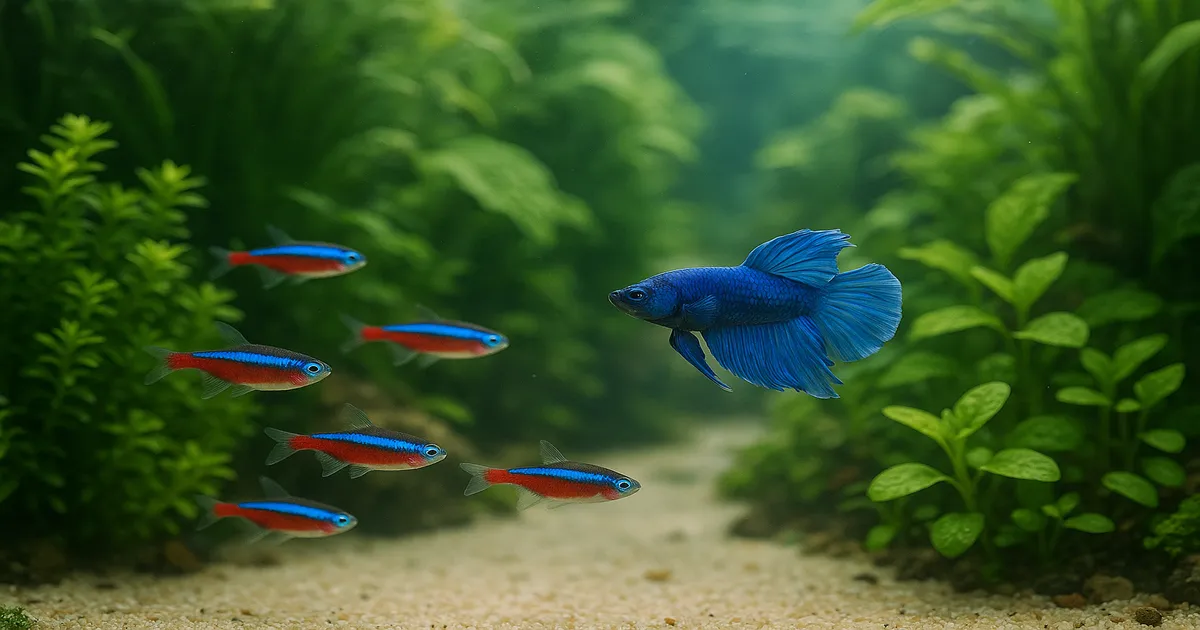
Quick Answer: The most trusted go-to sources for buying fish online are large commercial retailers like LiveAquaria, Aquatic Arts, and Imperial Tropicals for reliability and guarantees, plus hobbyist breeder networks like Aquabid and Facebook groups for rare or specialty species. Always quarantine new arrivals for 2–4 weeks before adding them to your main tank — no exceptions.
Figuring out what your go-to is for buying fish online takes more than a quick Google search. The market has exploded over the last few years, and while that means more access to rare species than ever before, it also means more bad actors and confusing choices. This guide cuts through the noise with practical vendor advice, species-specific care parameters, and a step-by-step arrival protocol so your fish actually make it into your tank healthy.
What Is Your Go-To for Buying Fish Online? The Best Sources Ranked
Top Trusted Online Fish Retailers at a Glance
- LiveAquaria — One of the largest and most established retailers; strong live arrival guarantee (LAG) and wide species selection
- Aquatic Arts — Excellent for freshwater shrimp, bettas, and community fish; known for careful packaging
- Imperial Tropicals — Popular for tetras, corydoras, and livebearers; competitive pricing and solid reputation on Reddit
- Aquabid — The eBay of the fish world; connects buyers directly with hobbyist breeders and importers
- Facebook Groups — Thriving communities for rare plecos, killifish, and wild-type livebearers; buy/sell/trade groups like “Rare Aquarium Fish” have thousands of active members
Hobbyist Breeder Networks vs. Commercial Stores
Commercial retailers offer consistency, professional packaging, and formal LAG policies — you know what you’re getting. Hobbyist breeders, on the other hand, often have healthier, tank-raised fish already adapted to typical tap water conditions, and they’re frequently your only option for genuinely rare species like L-number plecos or specialty killifish.
The trade-off is reliability. A small breeder might ship once a week, carry limited stock, and offer informal guarantees. For rare species, that’s often worth it. For staple community fish, a commercial retailer is usually the safer, faster choice.
Who Should Buy Fish Online?
Online purchasing makes the most sense for intermediate hobbyists who already have a cycled tank and a quarantine setup ready. Complete beginners are better served starting at a local fish store where they can get hands-on help. That said, if your local store’s selection tops out at neon tetras and goldfish, buying online opens up a completely different world.
Understanding the Online Fish Market
How the Market Has Changed
The global ornamental fish market was valued at approximately $5.4 billion USD in 2022, with projected growth of around 6% annually through 2030. The COVID-19 pandemic accelerated online purchasing significantly — when local fish stores closed or restricted access, hobbyists turned to online vendors and never fully looked back.
Types of Online Fish Sellers
- Large commercial retailers (LiveAquaria, Imperial Tropicals, Aquatic Arts) — wide selection, formal guarantees, professional logistics
- Independent hobbyist breeders (Aquabid, eBay, Facebook Marketplace) — often healthier, tank-conditioned fish; best for rare species
- Specialty importers — focus on wild-caught or hard-to-source species like L-number plecos, wild cichlids, and native fish
- Plant-and-fish combo shops (Buce Plant, Glass Aqua) — ideal if you’re setting up a planted tank and want to bundle an order
Most Popular Species Bought Online
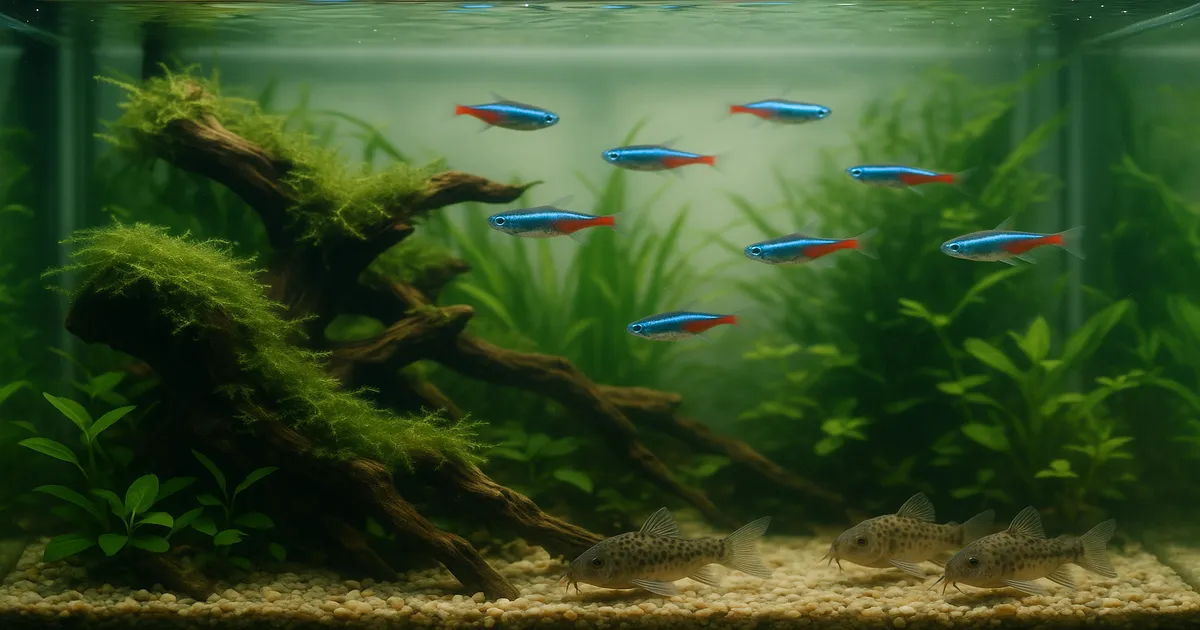
Bettas top the list — the sheer variety of color morphs and fin types available online dwarfs what any local store carries. Cardinal tetras, corydoras, and L-number plecos are all species where online sourcing makes obvious sense. Cardinals are often available as tank-raised (healthier and hardier than wild-caught). Corydoras come in dozens of species rarely stocked locally. And L-numbers like the Zebra Pleco (L046) are essentially impossible to find at a fish store. Discus, killifish, rare livebearers, and freshwater shrimp round out the most commonly ordered groups.
How to Choose a Reputable Online Fish Vendor
Green Flags: What a Trustworthy Seller Looks Like
- Detailed species descriptions including water parameters, tank size requirements, and diet
- A clear, explicit live arrival guarantee with defined timeframes and claim procedures
- Responsive customer service — test this before you order by sending a question
- Positive reputation on r/Aquariums, r/Bettafish, Fishlore, and The Planted Tank forums
- Photos of actual stock (not stock images), showing visible health and condition
Red Flags to Avoid
- Vague guarantees (“we’ll do our best”) with no defined claim process
- No water parameter information anywhere on the listing
- Prices dramatically below market rate — healthy, well-cared-for fish cost money to produce
- Negative reviews mentioning dead-on-arrival (DOA) fish or poor bag conditions
- No community presence or feedback history at all
Understanding Live Arrival Guarantees (LAGs)
A LAG means the vendor guarantees your fish arrive alive within a set timeframe after delivery. Most reputable sellers require you to photograph any DOAs within 2 hours of delivery confirmation and submit a claim with clear photos of the fish in the unopened or just-opened bag. Coverage varies — some offer a full refund, others offer store credit or a replacement shipment.
Read the fine print before you order. Many LAGs are void if you refuse a delivery, if the package sits at a pickup location, or if temperatures fall outside a specified range at shipping time.
Reading Community Reviews
Reddit threads are genuinely useful here. Search a vendor’s name on r/Aquariums or r/Bettafish and you’ll find unfiltered experiences from real hobbyists. The Planted Tank forum has a dedicated vendor review section worth browsing. Don’t rely solely on testimonials on the vendor’s own website.
Water Parameters for the Most Popular Online Fish Purchases
Matching your tank water to the seller’s water is one of the most overlooked steps in buying fish online. A fish kept at pH 7.4 and dropped into a pH 6.2 tank will crash — even if both values are technically within the species’ accepted range. A reliable liquid test kit is essential before any new fish arrive.
Betta Fish
Slightly acidic to neutral water works best — aim for pH 6.8–7.0, though most Betta splendens tolerate pH 6.5–7.5. Keep GH between 3–12 dGH, KH between 3–8 dKH, and temperature at 76–82°F (24–28°C). Ammonia and nitrite must be 0 ppm; nitrate should stay below 20 ppm. Wild Betta species like B. mahachaiensis need tighter, more acidic conditions — pH 5.5–6.8.
Cardinal Tetras
Cardinals prefer acidic water: pH 5.5–7.0 in captivity, with wild-caught specimens needing the lower end of that range (pH 4.5–6.5 in the wild). GH should be very soft (1–6 dGH), KH very low (0–4 dKH), and temperature 73–81°F (23–27°C). Keep nitrate below 10 ppm — these fish are sensitive. Always confirm whether you’re getting wild-caught or tank-raised; tank-raised cardinals are considerably more forgiving.
Corydoras Catfish
Most corydoras thrive at pH 6.5–7.2, GH 2–15 dGH (species-dependent), and temperature 72–79°F (22–26°C). Corydoras sterbai prefers warmer water — up to 82°F (28°C) — which makes it a compatible discus tank mate. Never add aquarium salt to a corydoras tank; they’re extremely sensitive to it. Zero ammonia and nitrite, nitrate below 20 ppm.
L-Number and Fancy Plecos
L-numbers like the Zebra Pleco (L046) and King Tiger Pleco (L333) need warm water — 79–86°F (26–30°C) — reflecting their Orinoco and Rio Xingu origins. Target pH 6.0–7.0, GH 4–12 dGH, KH 2–8 dKH. Nitrate should stay below 20 ppm, with sensitive species preferring below 10 ppm. These are not beginner fish.
Discus
Discus are the most parameter-sensitive fish commonly sold online. Wild-caught specimens need pH 5.5–6.5 and very soft water (GH 1–4 dGH, KH 0–2 dKH). Tank-raised discus tolerate up to pH 7.2 and slightly harder water. Temperature must be high — 82–88°F (28–31°C) — which limits compatible tank mates significantly. Nitrate below 10 ppm is essential; discus react visibly to poor water quality. A quality aquarium heater with a precise thermostat is non-negotiable for this species.
Neocaridina Shrimp
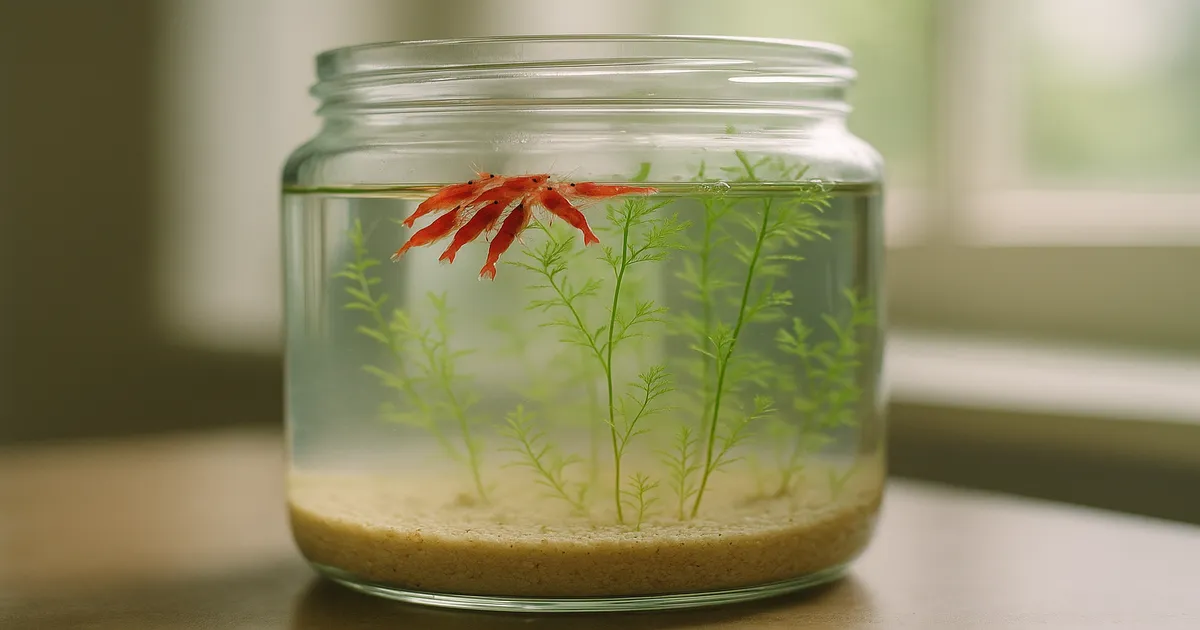
Cherry shrimp and other Neocaridina varieties are the more forgiving of the two shrimp groups. Target pH 6.8–7.8 (optimal 7.0–7.4), GH 6–8 dGH, KH 2–5 dKH, and temperature 65–78°F (18–26°C). TDS should sit between 150–250 ppm. Standard dechlorinated tap water works well in most areas.
Caridina Shrimp
Crystal Red, Taiwan Bee, and other Caridina varieties require RO/DI water remineralized with a Caridina-specific product. Target pH 5.8–6.8 (optimal 6.0–6.5), GH 4–6 dGH, KH 0–1 dKH, TDS 100–150 ppm, and temperature 62–72°F (17–22°C). These are not forgiving of parameter swings — if you’re new to shrimp, start with Neocaridina.
Quick-Reference Water Parameter Table
| Species | pH | GH (dGH) | Temp °F (°C) | Max Nitrate |
|---|---|---|---|---|
| Betta | 6.5–7.5 | 3–12 | 76–82 (24–28) | 20 ppm |
| Cardinal Tetra | 5.5–7.0 | 1–6 | 73–81 (23–27) | 10 ppm |
| Corydoras | 6.5–7.2 | 2–15 | 72–79 (22–26) | 20 ppm |
| L-Number Pleco | 6.0–7.0 | 4–12 | 79–86 (26–30) | 20 ppm |
| Discus | 5.5–7.2 | 1–8 | 82–88 (28–31) | 10 ppm |
| Neocaridina Shrimp | 6.8–7.8 | 6–8 | 65–78 (18–26) | 20 ppm |
| Caridina Shrimp | 5.8–6.8 | 4–6 | 62–72 (17–22) | 10 ppm |
Tank Setup for Online-Purchased Fish
Bettas: Gentle Flow and Dense Planting
Bettas need a minimum 5-gallon (19 L) tank — 10 gallons (38 L) is better for community setups. The single most important filtration consideration is flow: bettas come from slow-moving waters and a strong current will stress them constantly. A sponge filter or a baffled hang-on-back works well. Dense planting with floating plants like Frogbit or Water Lettuce provides cover and helps diffuse surface flow.
Cardinal Tetras: Blackwater Biotope Basics
A school of 8–10 cardinals needs at least 20 gallons (75 L). Dark substrate, Indian Almond Leaves, driftwood, and tannin-stained water replicate their Rio Negro habitat and will show off their colors dramatically. Keep lighting subdued — these fish evolved in dark, tea-colored water. A gentle canister filter with a spray bar or a sponge filter keeps flow low enough to keep them comfortable.
Corydoras: Why Substrate Choice Is Critical
Fine, smooth sand is non-negotiable for corydoras. Coarse gravel physically damages their sensitive barbels — those whisker-like appendages on their faces — and once damaged, barbels rarely fully recover. A group of six needs at least 20 gallons (75 L) of bottom space. Corydoras are active, social fish that spend most of their time foraging across the substrate, so open floor space matters as much as tank volume.
L-Number Plecos: Caves, Flow, and Territory
L-number plecos need warm water (79–86°F / 26–30°C), high flow replicating Orinoco rapids — think powerheads or wavemakers alongside your canister filter — and dedicated cave structures. PVC tubes and ceramic caves work well. Males are territorial, so if you’re keeping multiple plecos, each needs its own defined cave. Minimum tank size is 30 gallons (113 L) for most Hypancistrus species.
Discus: High Maintenance, High Reward
A group of 4–6 discus needs at least 55 gallons (208 L), with tank height being almost as important as volume — they’re tall-bodied fish that appreciate depth. Bare-bottom tanks are easiest to maintain, and maintenance is intensive: 25–50% water changes weekly at minimum, with an oversized canister filter running at all times. The payoff is a stunning display fish that, once settled, can live 10+ years.
Freshwater Shrimp: Neocaridina vs. Caridina Setup Differences
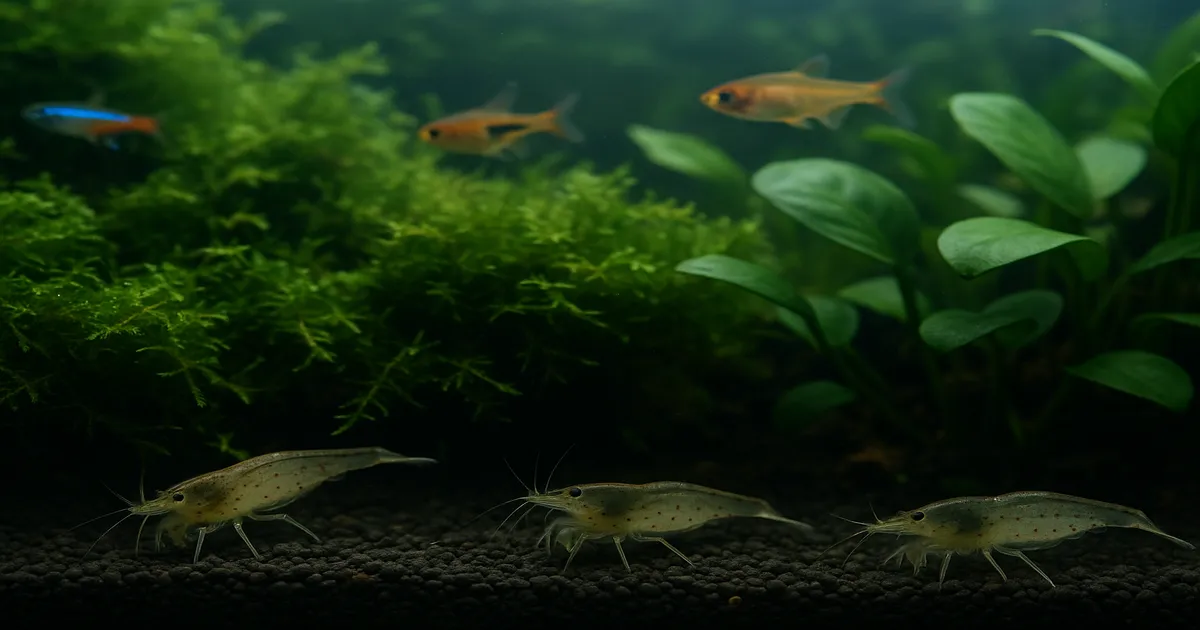
Both shrimp groups need sponge filtration — impeller-based filters will shred shrimplets and even adults. Beyond that, the setups diverge. Neocaridina do fine in inert substrate with standard dechlorinated tap water. Caridina require an active buffering substrate like ADA Amazonia or Fluval Stratum to maintain that critical low KH, plus RO/DI water. Dense moss, leaf litter, and cholla wood provide biofilm surfaces that shrimp graze constantly.
Quick-Reference Tank Setup Table
| Species | Min. Tank Size | Key Substrate | Filtration | Flow |
|---|---|---|---|---|
| Betta | 5 gal (19 L) | Fine sand/smooth gravel | Sponge or baffled HOB | Very low |
| Cardinal Tetra | 20 gal (75 L) | Dark fine sand + leaf litter | Sponge or canister | Low |
| Corydoras | 20 gal (75 L) | Fine smooth sand only | Sponge or canister | Low–moderate |
| L-Number Pleco | 30 gal (113 L) | Fine sand or bare bottom | High-performance canister | High |
| Discus | 55 gal (208 L) | Bare bottom or fine sand | Oversized canister | Gentle–moderate |
| Neocaridina Shrimp | 5 gal (19 L) | Inert substrate | Sponge only | Very gentle |
| Caridina Shrimp | 10 gal (38 L) | Active buffering substrate | Sponge only | Very gentle |
Compatibility and Quarantine
Quarantine First: The Non-Negotiable Step
Every fish you buy online goes into a quarantine tank first — no exceptions, no shortcuts. Two to four weeks minimum. Online fish travel through multiple hands and stress events before reaching you, and they can carry ich, bacterial infections, or internal parasites without showing obvious symptoms right away. Introducing them directly to your display tank risks your entire established community.
A quarantine tank doesn’t need to be elaborate: a 10-gallon (38 L) tank with a cycled sponge filter, a heater, and a few hiding spots is enough. Keep one running at all times if you buy fish regularly.
Species Compatibility at a Glance
| Species | Good Tank Mates | Avoid |
|---|---|---|
| Betta (male) | Corydoras, small tetras, snails, shrimp (with caution) | Other male bettas, Tiger Barbs, large aggressive fish |
| Cardinal Tetras | Small tetras, small corydoras, dwarf cichlids, small rasboras | Large predators, aggressive cichlids |
| Corydoras | Most peaceful community fish, tetras, rasboras, livebearers | Aggressive cichlids, fish requiring salt |
| L-Number Plecos | Peaceful mid/top-level community fish | Same-species territorial males, aggressive cichlids |
| Discus | Cardinal tetras, German Blue Rams, small peaceful catfish | Fin-nippers, cold-water species, aggressive fish |
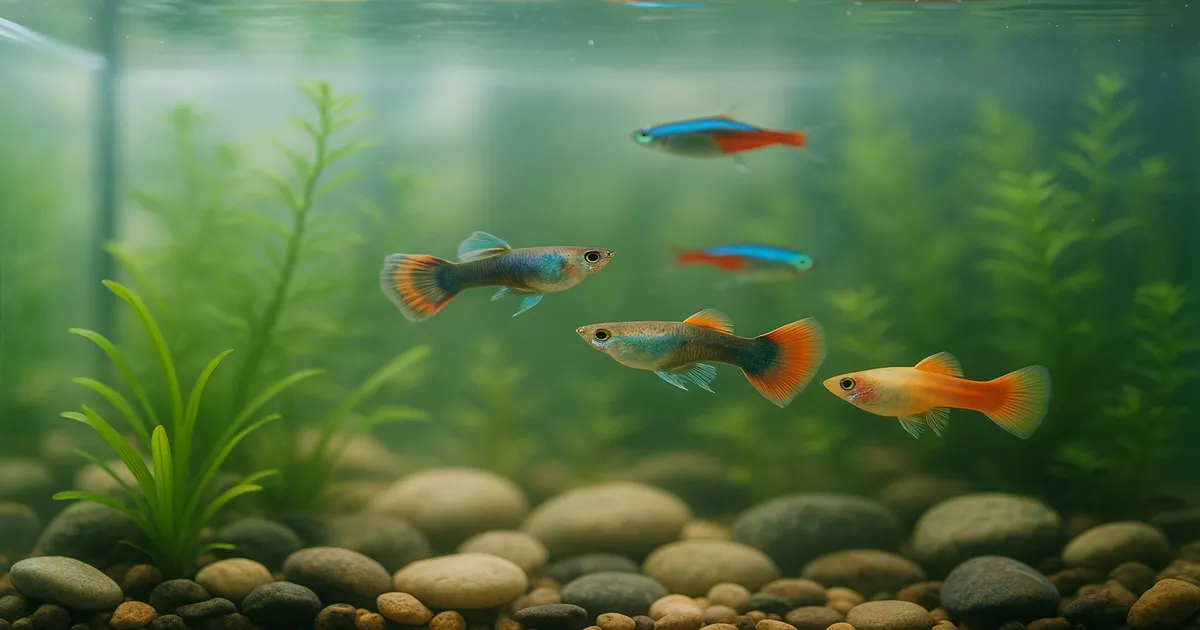
| Neocaridina Shrimp | Small peaceful fish (Endlers, small tetras), snails | Large or predatory fish, bettas (individual variation) |
| Caridina Shrimp | Compatible Caridina varieties, snails | Most fish; best kept in shrimp-only tanks |
Minimum School Sizes That Matter
- Cardinal tetras: Minimum 8–10; 15–20 for natural schooling behavior
- Corydoras: Minimum 6 of the same species; they school by species, not genus
- Neocaridina shrimp: Start with at least 10–15 to establish a colony; they breed readily in good conditions
- L-number plecos: Can be kept singly, but pairs or trios work in larger tanks with enough caves
- Discus: Minimum group of 4–6 to reduce aggression and establish a natural hierarchy
Frequently Asked Questions
Is it safe to buy fish online? Yes, provided you choose a reputable vendor with a clear live arrival guarantee and proper packaging. The main risks — DOA fish and disease introduction — are manageable with careful vendor selection and a strict quarantine protocol.
What is your go-to for buying fish online if you want rare species? For genuinely rare fish, hobbyist breeder networks are usually the best answer. Aquabid, Facebook buy/sell/trade groups, and killifish or pleco society auctions regularly list species you’ll never find at a commercial retailer. Expect less formal guarantees, but the fish are often healthier and better conditioned.
How do I acclimate fish shipped from an online vendor? Float the sealed bag in your quarantine tank for 15–20 minutes to equalize temperature. Then drip-acclimate over 30–60 minutes by slowly adding tank water to the bag — this is especially important for sensitive species like discus, cardinals, and Caridina shrimp. Never pour the shipping water directly into your tank.
What should I do if fish arrive dead? Photograph the DOA fish immediately in the unopened or just-opened bag, note the time of delivery, and contact the vendor within their stated claim window (usually 2 hours of delivery confirmation). Most reputable sellers will offer a refund or replacement if you follow their process correctly.
Do I really need a separate quarantine tank? Yes. A 10-gallon tank with a sponge filter and heater is a small investment compared to losing an entire established tank to ich or a bacterial outbreak. Even fish that look healthy on arrival can be carrying pathogens. Four weeks of quarantine is the standard recommendation among experienced hobbyists.