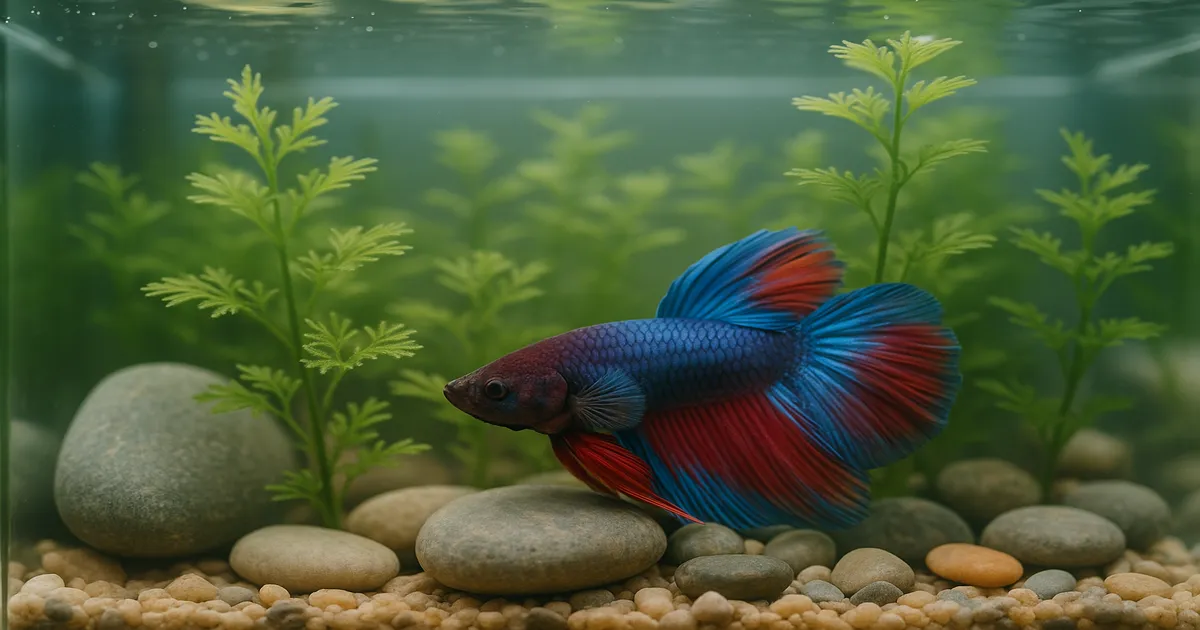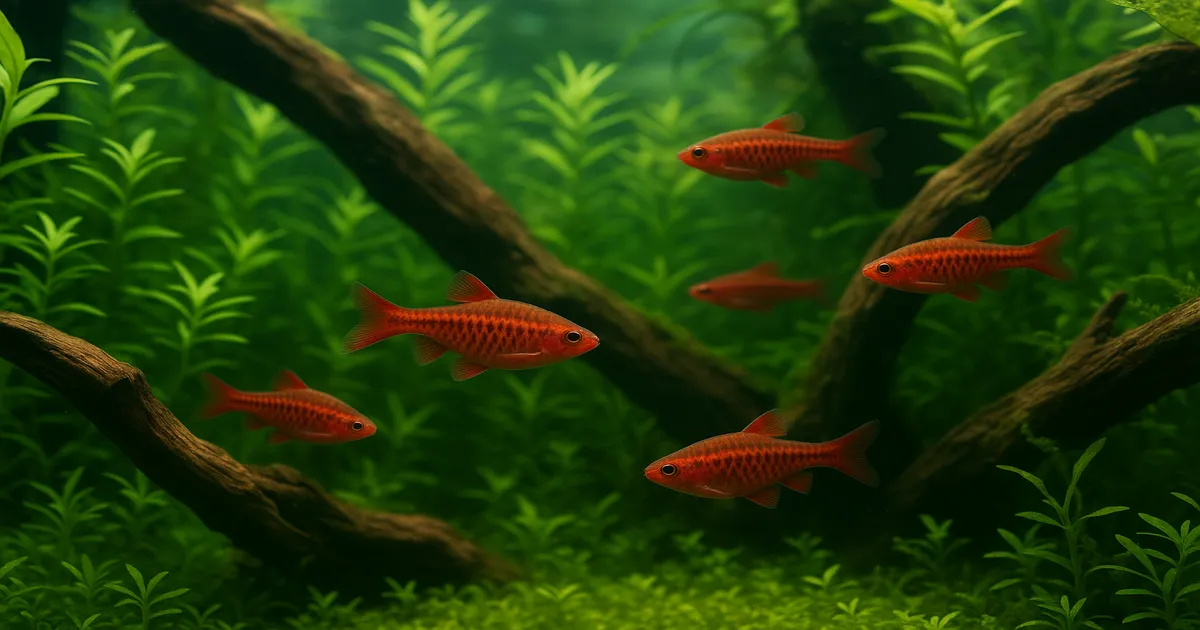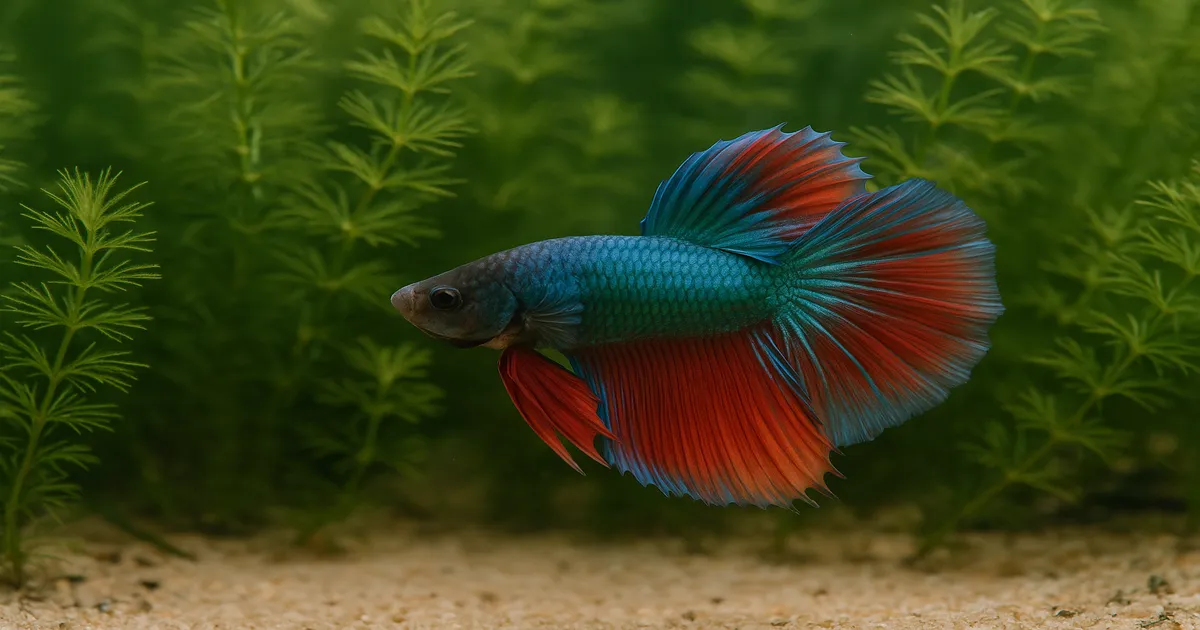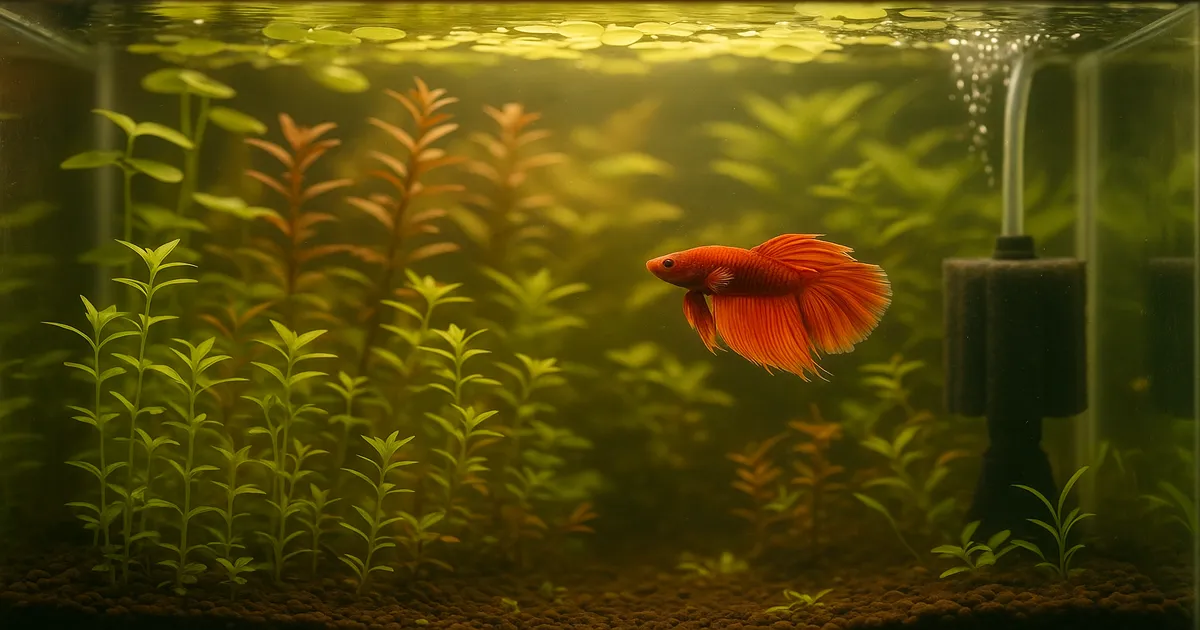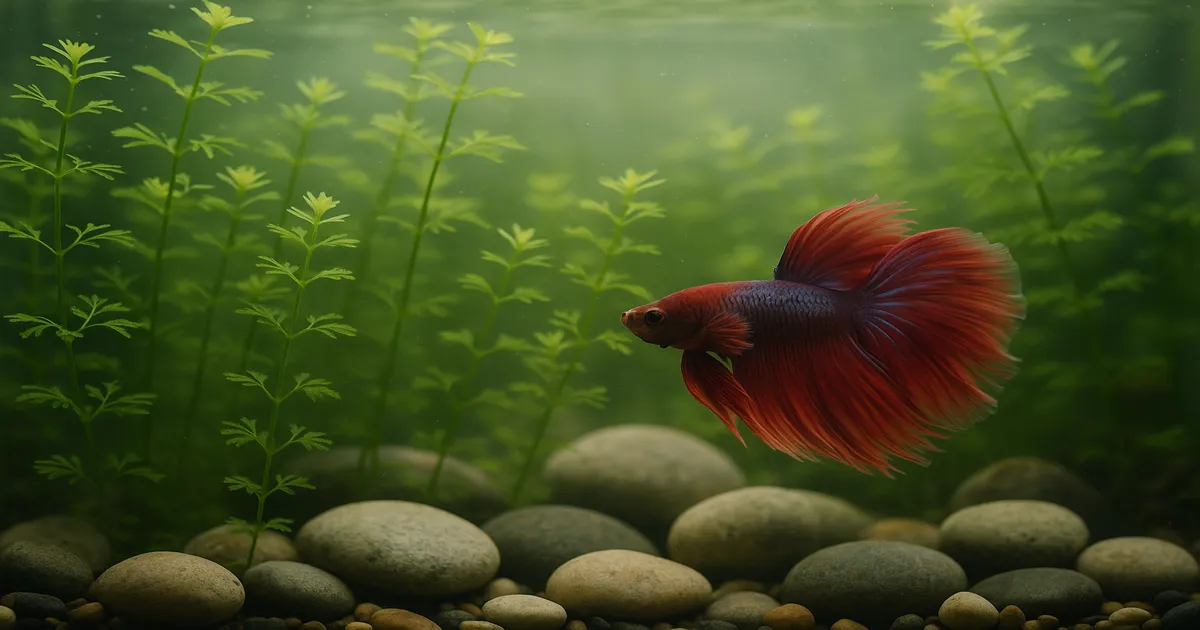
Quick Answer: Whether your betta prefers a couple of roommates or being alone depends on his individual personality, your tank size, and who you’re pairing him with. Male bettas must never live with other males, but many can thrive peacefully with the right companions. The honest answer is “it depends” — and the details below will help you figure out which setup suits your fish.
Does Your Betta Prefer Roommates or Being Alone? The Short Version
This question doesn’t have a single answer — and anyone who tells you otherwise is oversimplifying. Some bettas are genuinely community-friendly and seem more active when sharing a tank with peaceful companions. Others will attack anything that moves, including snails.
What’s non-negotiable: male bettas cannot live with other male bettas. Full stop. Beyond that, success comes down to tank size, species selection, and knowing your individual fish.
Understanding Betta Behavior and Territorial Instincts
Why Male Bettas Fight
Wild bettas evolved in the rice paddies and shallow floodplains of Southeast Asia, where each male defends a small, clearly defined territory. That instinct didn’t disappear in captivity — it got selectively amplified through centuries of breeding. Two males in the same tank will almost always fight until one is seriously injured or dead. This isn’t a training problem. It’s biology.
Do Female Bettas Get Along Better?
Female bettas are generally less aggressive, but don’t mistake “less aggressive” for “peaceful.” A single female can live alone or in a community tank much like a male. The more advanced option — a sorority tank — involves keeping five or more females together in a 20+ gallon, densely planted setup. Hierarchies form through chasing and nipping, and these tanks can collapse suddenly. Sororities are for experienced hobbyists only, and you’ll always need a backup tank ready.
Individual Personality Matters More Than You Think
This is the part most guides gloss over. One halfmoon betta might ignore his corydoras neighbors completely; another from the same spawn might shred every fin in the tank within hours. You genuinely cannot predict behavior until you observe it. Always have a quarantine tank ready and a plan to separate if things go wrong.
What Constant Flaring Tells You
Occasional flaring is normal — it’s how bettas assert dominance. But a betta who flares constantly at his reflection or at tank mates is under chronic stress. Long-term stress suppresses immunity, damages fins, and shortens lifespan. If your betta is flaring more than he’s resting, something needs to change.
Best Tank Mates for Bettas
The Golden Rule: Avoid Fish That Look Like a Betta
The core compatibility principle is simple: avoid anything with long flowing fins or bright red and blue coloration. Your betta will read those fish as rivals. Stick to species that occupy different water zones, move quickly enough to escape harassment, and don’t resemble a betta in any way.
Safe Bottom Dwellers: Corydoras, Kuhli Loaches, and Otocinclus
Bottom dwellers are often the easiest companions because they stay out of your betta’s preferred territory entirely.
- Corydoras catfish — peaceful, social, and practically invisible to most bettas. Keep in groups of 6+.
- Kuhli loaches — shy, nocturnal, and excellent at staying out of trouble. Groups of 3–6 work well.
- Otocinclus catfish — small algae eaters that mind their own business. Keep in groups of 4–6.
All three share compatible water parameters with bettas, which keeps maintenance straightforward.
Mid-Water Schooling Fish
Mid-water options require a bit more caution, but several species work reliably:
- Ember tetras — small, muted orange coloration, and genuinely peaceful. One of the safest tetra choices.
- Harlequin rasboras — fast-moving and compatible with betta water parameters. A classic pairing.
- Chili rasboras — tiny and calm, best in heavily planted tanks.
- Rummy-nose tetras — schooling fish that move quickly and tend to stay out of a betta’s way.
One important rule: never keep schooling fish in groups smaller than their species minimum. A lone tetra gets stressed, behaves erratically, and may turn to fin-nipping.
Snails and Shrimp
Snails are the safest companions you can add. Nerite snails are excellent algae cleaners and can’t reproduce in freshwater. Mystery snails are larger and generally ignored by bettas, though the occasional aggressive individual will nip at their antennae.
Shrimp are riskier. Amano shrimp have the best survival odds due to their size. Cherry shrimp are high-risk — many bettas will hunt them enthusiastically. A heavily planted tank with plenty of hiding spots gives cherry shrimp a fighting chance, but expect some losses.
Fish and Invertebrates to Avoid
Other Male Bettas
Two males in the same open tank will fight. The only way to house two males together is with a solid, opaque divider — not mesh, which still allows fin displays and causes chronic stress. Even divided tanks require careful monitoring.
Fin Nippers
Some fish are simply incompatible regardless of tank size:
- Tiger barbs — notorious fin nippers that will destroy your betta’s fins quickly
- Serpae tetras — aggressive nippers, especially in smaller groups
- Zebra danios — fast, nippy, and stressful for a betta long-term
- Fancy guppies — those long, colorful tails look like a rival to your betta
Species With Incompatible Water Requirements
- Goldfish prefer cooler water (65–72°F) and produce far more waste than a betta tank can handle
- Angelfish can be fin nippers and prefer water on the warmer end of their range (78–84°F), which overlaps with bettas but their size and temperament make them a poor match in most community setups
Related Species That Trigger Aggression
- Dwarf gouramis share the same family as bettas; males often stress or fight each other
- Paradise fish are essentially the wild, aggressive cousin of the betta — equally territorial and just as dangerous
Does Your Betta Prefer Roommates? Tank Setup Makes the Difference
Minimum Tank Size
A 5-gallon tank is the absolute minimum for a solo betta. For a single betta with room to thrive, 10 gallons is the practical recommendation. Any community setup needs at least 20 gallons — more space dilutes aggression, stabilizes water parameters, and gives everyone room to establish their own zones.
Plants, Hides, and Territory Breaks
Dense planting is one of the most effective tools for keeping a betta community peaceful. Plants break lines of sight, which reduces stress and territorial behavior significantly. Good choices include Java fern, Anubias, and Java moss — all low-maintenance and betta-safe. Add caves, driftwood, and ceramic hides to give everyone a retreat. Avoid plastic plants with sharp edges; they’ll shred betta fins.
One practical tip: when adding new fish to an established tank, rearrange the decor first. Disrupting established territories resets the social dynamic and gives newcomers a fairer start.
Filtration and Flow
Bettas evolved in still or slow-moving water. Strong currents exhaust them and damage their fins. A sponge filter is ideal — gentle flow, excellent biological filtration, and no dangerous intake for small fish. The Hikari Bacto-Surge Sponge Filter is a reliable, widely available option. If you prefer a hang-on-back filter, add a baffle or pre-filter sponge to reduce outflow current.
Other Setup Essentials
Moderate lighting on an 8–10 hour timer keeps your betta’s circadian rhythm stable and supports plant growth. Dark, fine-grain substrate — black sand works beautifully — enhances your betta’s colors and reduces stress from light reflection off the bottom.
Always use a tight-fitting lid. Bettas jump, especially when stressed, and a few seconds is all it takes. Leave a small air gap between the water surface and the lid so your betta can access atmospheric air through his labyrinth organ — that surface access is essential.
Water Parameters
The Betta Sweet Spot
| Parameter | Ideal Range |
|---|---|
| Temperature | 76–82°F (24–28°C) |
| pH | 6.5–7.5 |
| GH | 5–8 dGH |
| KH | 3–5 dKH |
| Ammonia | 0 ppm |
| Nitrite | 0 ppm |
| Nitrate | < 20 ppm |
A reliable adjustable heater is essential — room temperature is rarely stable enough. The Eheim Jager Aquarium Thermostat Heater is a trusted choice that holds temperature accurately and shuts off safely if the water level drops.
The Nitrogen Cycle Is Non-Negotiable
Ammonia and nitrite must read zero at all times. Bettas are particularly sensitive to ammonia spikes, and small tanks crash faster than large ones. Your tank must be fully cycled before any fish go in — this takes 4–6 weeks using the fishless cycling method. Keep nitrates below 20 ppm with regular 25–30% weekly water changes, and use a liquid test kit to monitor parameters accurately. The API Freshwater Master Test Kit covers all the essential parameters and is far more reliable than strip tests.
Feeding in a Community Tank
What Bettas Need to Eat
Bettas are obligate carnivores. In the wild, they eat insect larvae, small insects, zooplankton, and worms. A diet built around plant-heavy flake food is nutritionally inadequate and will eventually show up as dull coloration, fin problems, and a shortened lifespan.
Best Foods for Bettas
High-quality betta-specific pellets should form the foundation of every betta’s diet — look for fish or shrimp meal as the first ingredient. Solid options include Hikari Betta Bio-Gold, New Life Spectrum Betta Formula, and Fluval Bug Bites Betta Formula. Feed 2–4 small pellets once or twice daily, pre-soaked for 30 seconds to prevent bloating.
Two to three times a week, supplement with frozen foods: bloodworms, brine shrimp, daphnia, or mysis shrimp. Daphnia is particularly useful for digestive health. Live foods make excellent occasional enrichment and trigger natural hunting behavior.
Feeding Multiple Species Without Conflict
Bettas feed at the surface and mid-water; corydoras and kuhli loaches need food to reach the substrate. Feed your betta at the surface first to keep him occupied, then drop sinking wafers near the other side of the tank for your bottom dwellers. Hikari Sinking Wafers are a reliable staple for corydoras and loaches. Remove any uneaten food after a few minutes to keep ammonia in check.
How to Introduce Tank Mates Safely
- Cycle the tank first. No fish go in until the cycle is complete — 4–6 weeks minimum.
- Add plants and hides to create distinct territories and break lines of sight.
- Add tank mates before the betta. This prevents him from treating the tank as fully “his” before others arrive. Let them settle for at least a week.
- Quarantine every new fish — including your betta — for 2–4 weeks in a separate tank before adding them to the display. A bare-bottom 10-gallon with a sponge filter is all you need.
- Monitor closely for the first two weeks. Some chasing and flaring in the first few days is normal. What you don’t want to see: relentless chasing with no breaks, torn or missing fins, fish hiding constantly and refusing to eat, or anyone pressed into a corner.
If aggression hasn’t settled within two weeks, separate immediately. Injuries escalate quickly and stressed fish get sick. A backup quarantine tank isn’t optional — it’s part of responsible betta keeping.
Frequently Asked Questions
Can a betta fish live alone and be happy?
Absolutely. A solo betta in a well-planted, properly sized tank with enrichment — caves, a betta hammock, varied feeding — can live a full, healthy life without any tank mates. Many bettas are simply happier alone, and there’s nothing wrong with that. Forcing community living on an aggressive betta does more harm than good.
What fish can safely live with a betta?
The most reliable choices are corydoras catfish, kuhli loaches, otocinclus, ember tetras, and harlequin rasboras. Nerite and mystery snails are also excellent companions. The key is choosing species that don’t resemble bettas, occupy different water zones, and are kept in appropriate group sizes.
Will a betta kill other fish in a community tank?
It depends on the individual betta and the species involved. Some bettas are relatively peaceful; others will attack and injure tank mates. Bettas are most likely to seriously harm other male bettas, fish with long colorful fins like fancy guppies, and slow-moving fish that can’t escape. Proper species selection and close monitoring dramatically reduce the risk.
Can two male bettas ever share a tank?
Only with a solid, opaque divider that completely prevents visual contact. Mesh dividers don’t work — males can still see and display at each other, causing chronic stress. In an open tank with no divider, two males will almost certainly fight to serious injury or death.
Do bettas get lonely without tank mates?
Bettas are territorial, not social in the way schooling fish are. They don’t experience loneliness the way we understand it. That said, bettas are intelligent and curious, and they benefit from environmental stimulation — interesting plants, hides to explore, and varied feeding. A well-enriched solo setup is far better than a stressful community pairing.