Quick Answer: Ghost shrimp are hardy, transparent freshwater invertebrates that thrive in a 10-gallon tank with stable water (pH 7.0–7.8, 72–78°F / 22–26°C), a cycled filter, and a varied diet of sinking pellets and blanched vegetables. They’re one of the best shrimp for beginners — forgiving of minor mistakes, cheap to keep, and endlessly entertaining to watch.
Ghost shrimp are one of the most underrated invertebrates in the freshwater hobby. Learning how to care for ghost shrimp properly is straightforward, but a few key details — water hardness for molting, filter choice, and buying quality specimens — make the difference between a thriving colony and a tank of short-lived feeders. This guide covers everything you need to get it right from day one.
Ghost Shrimp Care at a Glance
| Parameter | Ideal Range |
|---|---|
| Tank Size | 10 gallons (minimum) |
| Temperature | 72–78°F (22–26°C) |
| pH | 7.0–7.8 |
| GH | 6–12 dGH |
| KH | 3–10 dKH |
| Ammonia / Nitrite | 0 ppm (non-negotiable) |
| Nitrate | <20 ppm |
| Group Size | 6 minimum; 20+ ideal |
| Lifespan | 1–2 years |
| Diet | Omnivore / scavenger |
Ghost shrimp are sold both as pets and as feeder shrimp for larger fish, and that distinction matters when you’re buying. Feeder-grade specimens are typically kept in overcrowded, poor conditions and may already be stressed or diseased when you bring them home. Buy from a store that keeps them as pets whenever possible — you’ll get healthier animals and a much better shot at that 1–2 year lifespan.
Are ghost shrimp good for beginners? Yes — genuinely. They tolerate a wider range of water conditions than most freshwater shrimp, including popular neocaridina and caridina varieties. The main beginner pitfall is adding them to an uncycled tank, which we’ll cover below.
Species Overview
Scientific Name and Natural Habitat
The species most commonly sold in North American fish stores is Palaemonetes paludosus, though P. kadiakensis (Mississippi Grass Shrimp) and Macrobrachium lanchesteri are sometimes sold under the same “ghost shrimp” label. Care requirements are similar across all three, but breeding behavior can differ — worth knowing if reproduction is your goal.
P. paludosus is native to the freshwater systems of the southeastern United States — Georgia, Florida, and the Gulf Coast. In the wild, they inhabit slow-moving rivers, shallow ponds, and heavily vegetated wetlands with sandy or silty substrates. They’re prey animals for fish, amphibians, and wading birds, which explains their instinct to hide when they feel exposed.
Appearance, Size, and Lifespan
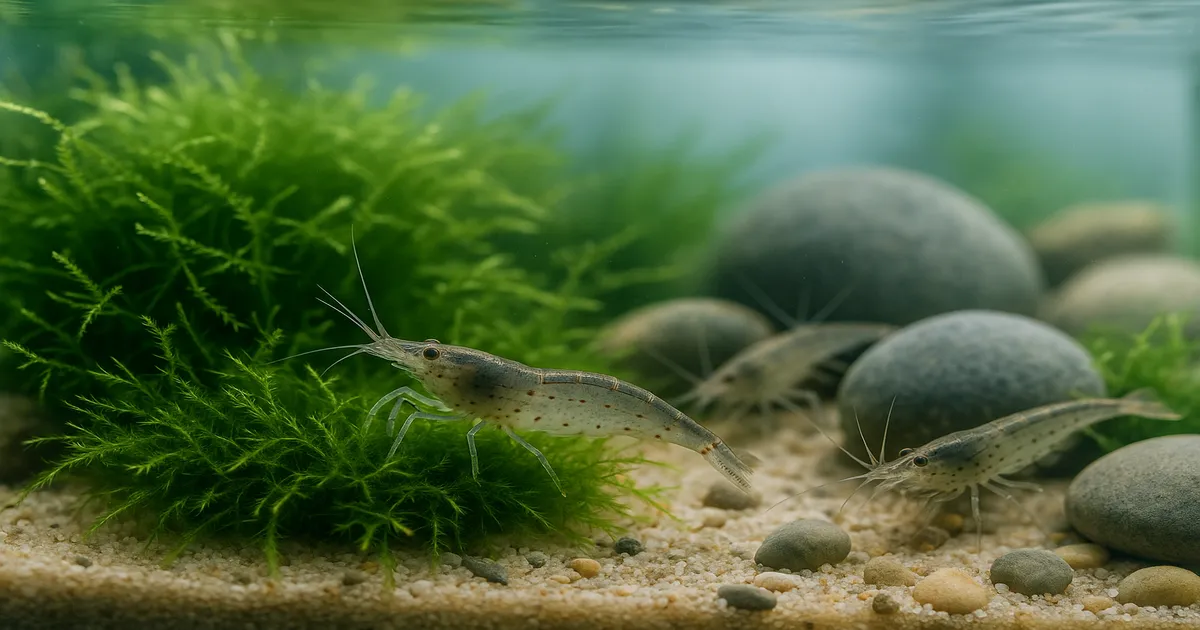
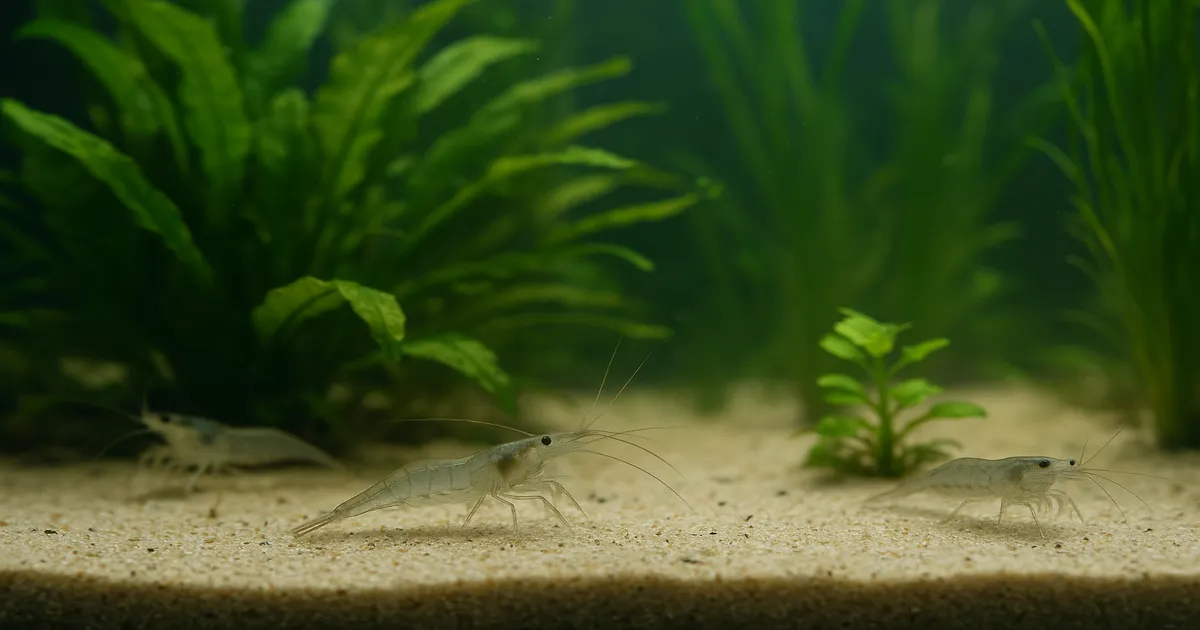
Ghost shrimp are nearly fully transparent, with internal organs — including the digestive tract — visible as a dark line through the body. Females are slightly larger and may show a green or yellow “saddle” of developing eggs beneath the abdomen. Adults typically reach 1–1.5 inches (2.5–4 cm) and live 1–2 years under good conditions. Feeder-grade specimens often fall short of that due to pre-purchase stress.
How to Care for Ghost Shrimp: Water Parameters
pH and Why Stability Matters More Than Perfection
Ghost shrimp prefer neutral to slightly alkaline water (pH 7.0–7.8). This is more forgiving than the acidic conditions required by Crystal Red Shrimp or other caridina species. The critical point isn’t hitting a perfect number — it’s keeping that number stable. A sudden drop from 7.5 to 6.8 overnight is far more dangerous than a steady pH of 7.0. pH below 6.5 interferes with shell calcification and causes molting failures.
GH and KH: The Molting Minerals
GH (general hardness) measures calcium and magnesium — both essential for building a healthy exoskeleton. Aim for 6–12 dGH. Water below 4 dGH is genuinely dangerous; failed molts become common and are usually fatal. If your tap water is very soft, a shrimp-specific mineral supplement such as Salty Shrimp GH+ or a small amount of crushed coral in the filter will bring hardness up safely.
KH (carbonate hardness) is your pH buffer. Keep it between 3–10 dKH. Very low KH — below 2 dKH — removes that buffer entirely, leaving pH vulnerable to sudden crashes that can wipe out an entire tank overnight.
Temperature and Dissolved Oxygen
The sweet spot for activity and breeding is 72–78°F (22–26°C), but ghost shrimp can handle 65–82°F (18–28°C) short-term. This wider tolerance is one of their advantages over neocaridina shrimp — they can often thrive in unheated tanks in warm climates. Above 82°F (28°C), dissolved oxygen drops, bacteria multiply faster, and shrimp become visibly stressed. Make sure there’s adequate surface agitation, especially in warmer setups. A sponge filter or air stone handles this well.
Ammonia, Nitrite, and Nitrate
Ghost shrimp are more sensitive to ammonia and nitrite than most fish. Even 0.25 ppm ammonia can cause gill damage. The rule is simple: zero ammonia, zero nitrite, always. Use a dechlorinator that neutralizes chloramines — not just chlorine. Seachem Prime is the standard recommendation. For nitrate, keep it under 20 ppm with regular 10–20% weekly water changes.
Setting Up the Perfect Ghost Shrimp Tank
Tank Size
A 5-gallon tank can house a small group, but parameters fluctuate much more in smaller volumes — a single spike can wipe out the colony before you catch it. A 10-gallon is the practical minimum for a stable setup. In a shrimp-only tank, a 10-gallon can comfortably support 30–50 ghost shrimp. Add peaceful community fish and aim for 10–20 shrimp instead.
Substrate
Fine sand or smooth gravel (1–3 mm grain size) is ideal. It mirrors their natural habitat, supports biofilm growth, and lets shrimp forage naturally by sifting through the top layer. Avoid active substrates like ADA Aqua Soil — these are designed to lower pH into the acidic range, which is the opposite of what ghost shrimp need. Dark-colored substrates are a nice bonus: they make the shrimp’s transparency more visually striking.
Filtration
A sponge filter is the single best filtration choice for a ghost shrimp tank. The flow is gentle enough that shrimp won’t get pulled in, the sponge surface develops a biofilm colony that shrimp actively graze on, and the biological filtration is excellent for the price. Look for a reliable model such as the Hikari Bacto-Surge Sponge Filter.
If you prefer a hang-on-back or canister filter, cover the intake with a pre-filter sponge — something like the Fluval Pre-Filter Sponge works well. An unprotected power filter intake will trap and kill shrimp, especially juveniles.
Live Plants and Décor
Live plants are arguably the most impactful addition you can make. They improve water quality, produce oxygen, and grow the biofilm and algae that shrimp graze on constantly. The best options:
- Java Moss — dense, easy to grow, excellent biofilm surface
- Java Fern — hardy, low-light, great for shelter
- Hornwort — fast-growing, powerful nitrate absorber
- Anubias — thick leaves that develop a rich biofilm coating
- Floating plants (Frogbit, Duckweed) — diffuse harsh light and reduce nitrates
Driftwood, smooth river rocks, and Indian Almond leaves also make excellent additions. Indian Almond leaves release tannins, create natural foraging surfaces, and have mild antibacterial properties.
One hard rule: no copper. Copper is acutely toxic to all invertebrates at even trace levels. Check fertilizers, medications, and decorative items before adding anything to a shrimp tank.
Lighting
Ghost shrimp don’t need intense lighting. Low to moderate light on a consistent 8–10 hour photoperiod (use a timer) is ideal. Moderate light encourages plant growth and biofilm development — both food sources. Without shaded areas, shrimp will hide constantly, so make sure plants or décor create darker zones.
Ghost Shrimp Tank Mates
If a fish can fit a ghost shrimp in its mouth, it will eventually try. That’s the primary filter for compatibility.
Reliably safe tank mates:
- Neocaridina shrimp (Cherry Shrimp, Blue Dream, etc.)
- Otocinclus catfish
- Small corydoras (C. habrosus, C. pygmaeus)
- Ember Tetras and Chili Rasboras
- Celestial Pearl Danios
- Endlers Livebearers
- Nerite, Mystery, and Ramshorn Snails
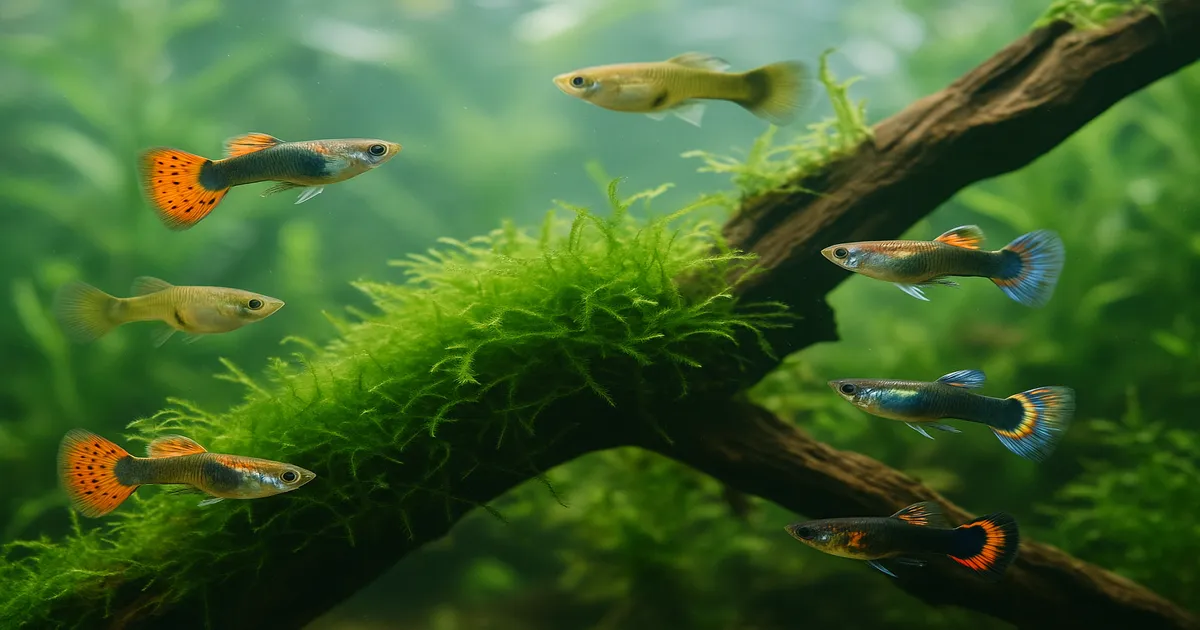
Conditionally safe — monitor closely: Guppies, mollies, platies, dwarf gouramis, and kuhli loaches can work with adult ghost shrimp, but shrimplets and eggs will almost certainly be eaten. Some individual dwarf gouramis will actively hunt adults too.
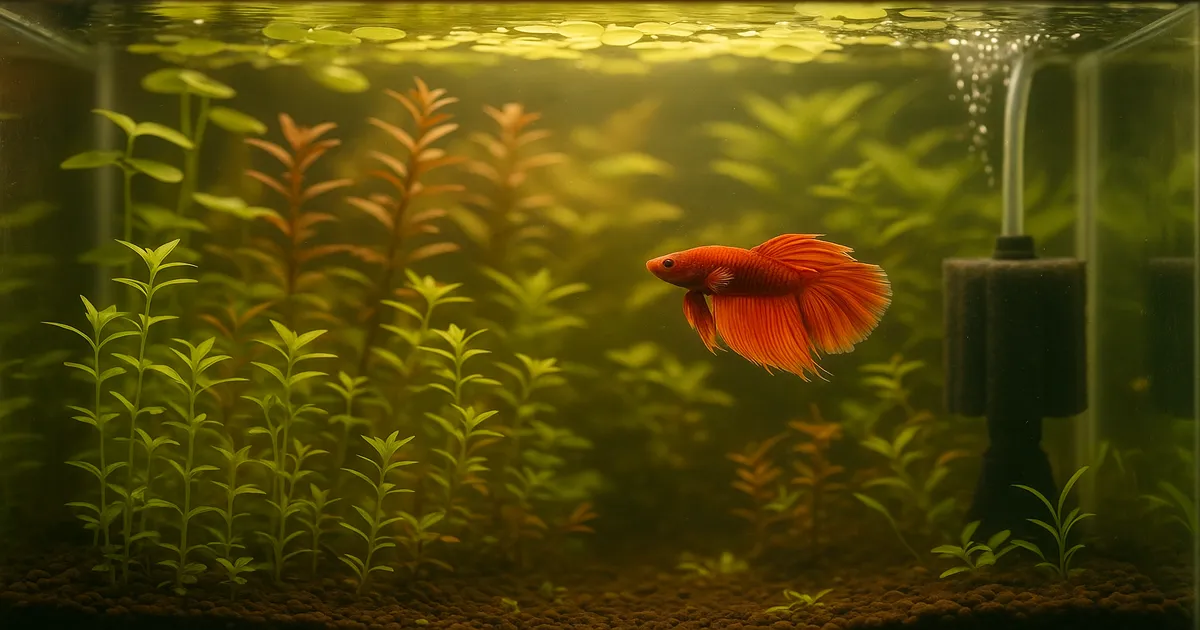
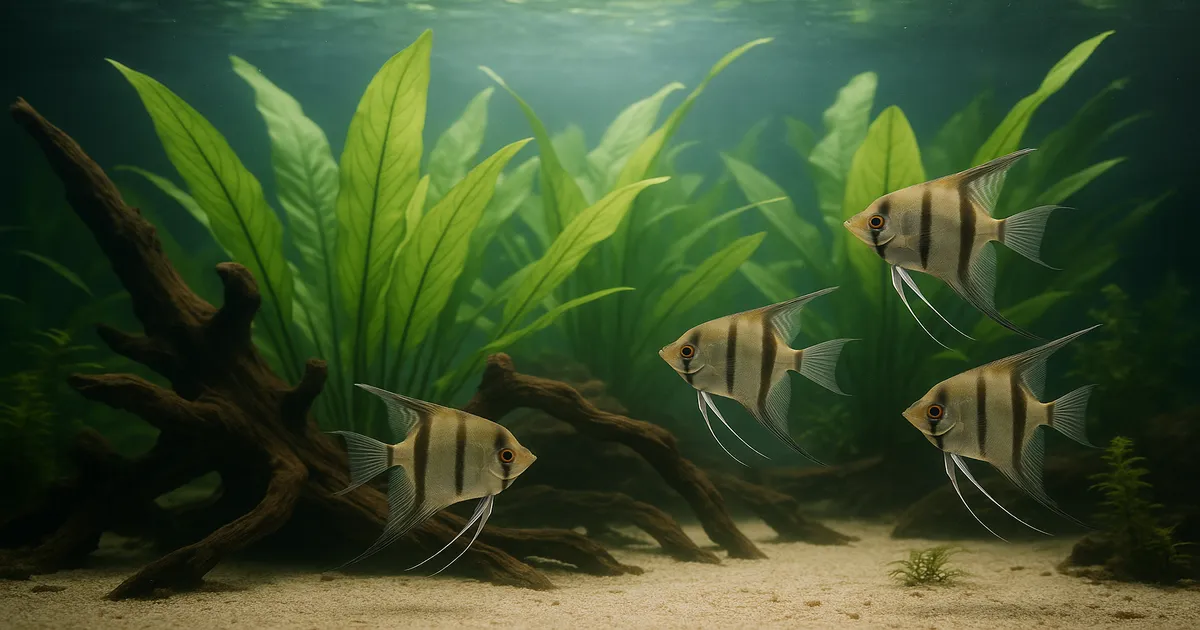
Avoid entirely: Bettas (highly individual, but the risk isn’t worth it), cichlids, angelfish, goldfish, oscars, crayfish, large loaches (Clown, Yoyo), and dwarf puffer fish.
Feeding Ghost Shrimp
What to Feed
Ghost shrimp are omnivorous scavengers. In nature they eat biofilm, algae, detritus, decaying plant matter, and small invertebrates. In captivity, high-quality sinking pellets are the backbone of the diet. Hikari Shrimp Cuisine and Fluval Bug Bites Shrimp Formula are both excellent staple choices, rounded out with algae wafers.
Blanched vegetables — zucchini, spinach, cucumber, shelled peas, and carrots — are cheap and nutritious. Blanch briefly in boiling water to soften the cell walls and remove surface pesticides, then drop a small piece into the tank. Remove anything uneaten after 24 hours; decomposing vegetables foul the water quickly.
Frozen daphnia, baby brine shrimp, and bloodworms make great occasional treats. Don’t overdo high-protein foods — excessive protein can actually trigger molting problems. For calcium, drop a piece of cuttlebone into the tank or add crushed coral to the filter.
How Often and How Much
Feed small amounts every 1–2 days — only what shrimp can consume within a few hours. Overfeeding is far more common than underfeeding. Excess food rots and spikes ammonia. In a well-planted tank with driftwood and Indian Almond leaves, ghost shrimp will spend most of their time grazing on biofilm anyway, which genuinely reduces how much supplemental food you need.
Ghost Shrimp Health and Common Problems
Molting
Molting is normal and essential — ghost shrimp shed their exoskeleton periodically to grow. When you find an empty shell (exuvia) in the tank, leave it. The shrimp will eat it to reclaim calcium and minerals.
A failed molt — where the shrimp gets stuck in its old shell — is usually fatal. The main causes are low GH, sudden parameter swings, poor water quality, and stress from aggressive tank mates. Keeping GH above 6 dGH and parameters stable eliminates the vast majority of molting failures.
Signs of Stress and Disease
A healthy ghost shrimp is constantly moving — foraging along the substrate, climbing plants, picking at biofilm. A stressed or sick shrimp hides constantly, moves sluggishly, or develops a white or cloudy appearance. Cloudiness can indicate bacterial infection and warrants immediate attention to water quality.
Ghost shrimp can also be affected by Vorticella (small white tufts on the gills or body) and Scutariella (tiny flatworms near the head). Both are more likely when shrimp are stressed or water quality is poor. Clean water and stable parameters are the first line of treatment.
Cycling Your Tank First
Never add ghost shrimp to an uncycled tank. They’re more sensitive to ammonia and nitrite than most fish, and a spike can kill the entire colony within hours. Use a liquid test kit such as the API Freshwater Master Test Kit to confirm zero ammonia and zero nitrite before adding any shrimp.
Breeding Ghost Shrimp
Sexing and Breeding Conditions
Females are noticeably larger than males and display a green or yellow saddle beneath the abdomen. Once fertilized, eggs move under the tail, where the female fans them with her swimmerets for 2–3 weeks until they hatch. Ghost shrimp breed readily when conditions are good — stable parameters, a mature planted tank, and varied nutrition. Healthy, well-fed shrimp in clean water will breed without any complex trigger.
Raising the Fry
Here’s where ghost shrimp differ significantly from neocaridina shrimp. They hatch as free-swimming larvae — not miniature adults. These larvae need very fine live foods like infusoria or green water in their earliest stages, making them considerably more challenging to raise than cherry shrimp fry. In a community tank, virtually all larvae will be eaten by fish and often by the adult shrimp themselves.
For successful breeding, move a gravid female to a separate tank with a sponge filter before she hatches. The gentle flow won’t harm larvae, and the sponge surface provides food. Once larvae have grown large enough to resemble tiny shrimp, begin feeding powdered shrimp food or finely crushed algae wafers. A dedicated grow-out setup is essentially the only reliable way to raise ghost shrimp fry to adulthood.
Frequently Asked Questions About How to Care for Ghost Shrimp
How many ghost shrimp can I keep per gallon? A general guideline is 3–5 ghost shrimp per gallon in a shrimp-only setup with good filtration and regular water changes. A 10-gallon tank can comfortably support 30–50 shrimp without fish. Add fish and reduce that number significantly to keep water quality manageable.
Can ghost shrimp live with betta fish? Generally not recommended. Some bettas completely ignore ghost shrimp; others will hunt and kill them within hours. There’s no reliable way to predict which type you have, so the risk usually isn’t worth taking — especially with a shrimp you’ve invested time in raising.
Why do my ghost shrimp keep dying? The most common causes are an uncycled tank, ammonia or nitrite spikes, copper contamination (from fertilizers or medications), or low GH causing failed molts. Test your water first. If ammonia or nitrite reads anything above zero, that’s your answer. If parameters look fine, check any products you’ve recently added for copper content.
Do ghost shrimp need a heater? Not always. Ghost shrimp tolerate temperatures down to around 65°F (18°C), so in warm climates or heated homes they can often thrive without a heater. If your room temperature drops below 68°F (20°C) regularly, a small adjustable heater will keep conditions stable and encourage more active behavior and breeding.
How can I tell if my ghost shrimp is healthy? A healthy ghost shrimp is active and constantly foraging — picking at substrate, climbing plants, and grazing on surfaces. Its body should be clear and transparent with no white or cloudy patches. Lethargy, hiding, or a milky appearance are warning signs that warrant an immediate water test.