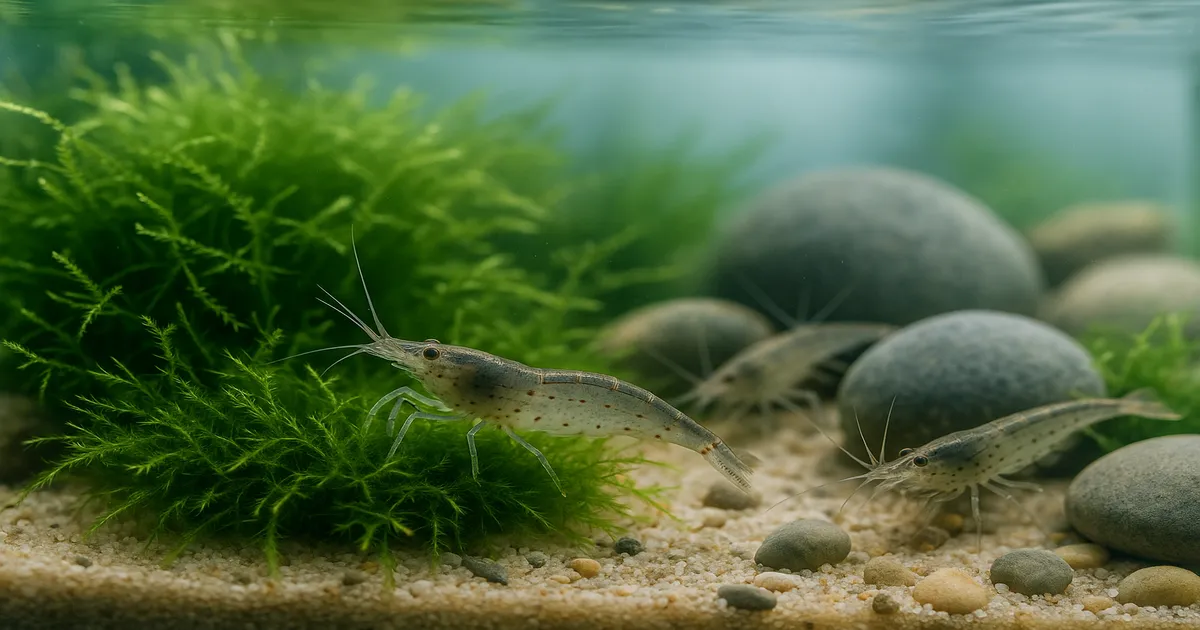
Quick Answer: Amano shrimp (Caridina multidentata) are hardy, peaceful, algae-eating freshwater shrimp that thrive in well-cycled tanks with stable water parameters — pH 7.0–7.5, GH 6–8 dGH, KH 3–8 dKH, and a temperature of 72–78°F (22–26°C). They live 2–3 years, grow to about 1.5–2 inches, and are among the best algae controllers in the hobby. Keep them in groups of at least six, protect them from copper and ammonia, and they’ll reward you with years of active, entertaining behavior.
Learning how to take care of Amano shrimp properly is the difference between a thriving cleanup crew and a frustrating string of unexplained losses. The good news: these shrimp are genuinely forgiving compared to more delicate species like Crystal Reds, and with the right setup they make an excellent entry point into shrimp keeping.
Amano Shrimp Care: Key Facts at a Glance
| Feature | Detail |
|---|---|
| Scientific name | Caridina multidentata |
| Common names | Amano Shrimp, Yamato Shrimp, Algae Shrimp |
| Adult size | 1.5–2 inches (3.8–5 cm) |
| Lifespan | 2–3 years (up to 5 in ideal conditions) |
| Temperature | 72–78°F (22–26°C) |
| pH | 7.0–7.5 |
| GH | 6–8 dGH |
| KH | 3–8 dKH |
| Minimum tank size | 10 gallons |
| Diet | Algae, biofilm, supplemental sinking foods |
| Temperament | Peaceful |
Are Amano Shrimp Good for Beginners?
Yes — with one important caveat. Amano shrimp adapt better than most dwarf shrimp species, but they share the same zero-tolerance sensitivity to ammonia, nitrite, and copper that all invertebrates have. Set up a properly cycled tank first, test your water before adding them, and they’re a genuinely beginner-friendly choice.
Species Overview
Scientific Name and Origin
The correct scientific name is Caridina multidentata, though Caridina japonica still appears constantly in the hobby — that name has been synonymized and is technically outdated. They belong to the family Atyidae, the same family as other popular freshwater shrimp. Takashi Amano, the legendary Japanese aquarist, popularized their use in planted aquascapes during the 1980s and 90s, which is how they got the common name most people know.
Amano shrimp are native to Japan, Taiwan, and parts of the Korean peninsula, where they inhabit coastal rivers, streams, and estuaries. Their natural environment is clear, fast-moving, and well-oxygenated — typically with rocky or sandy substrates, abundant leaf litter, and plenty of algae and biofilm to graze on. That background explains a lot about what they need in captivity.
Size, Lifespan, and Appearance
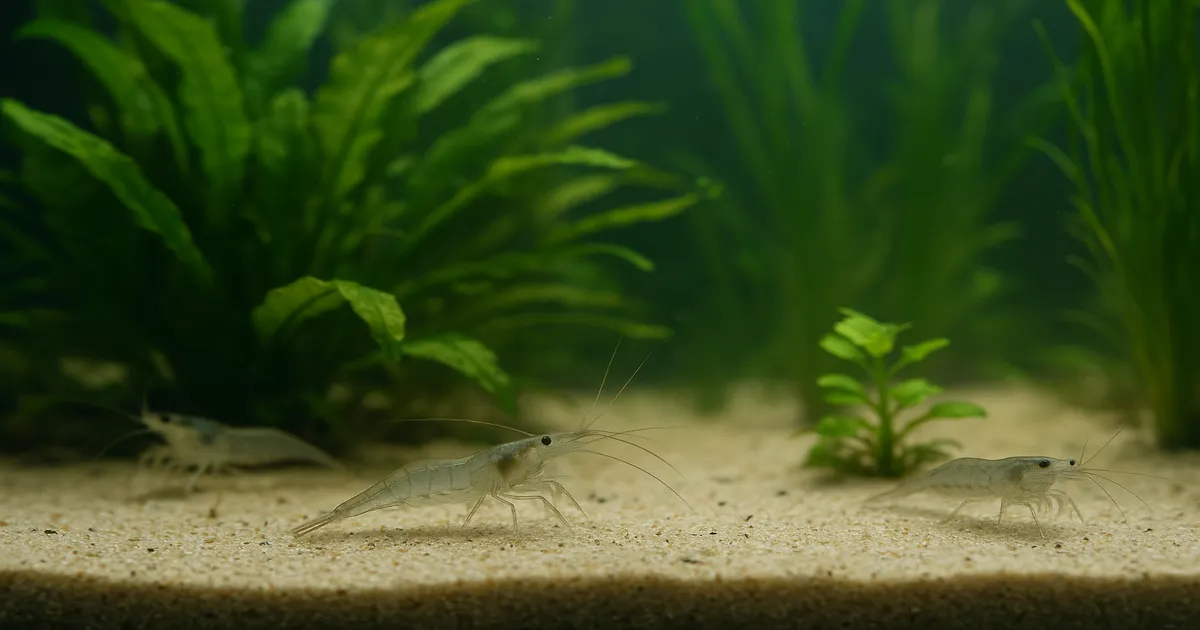
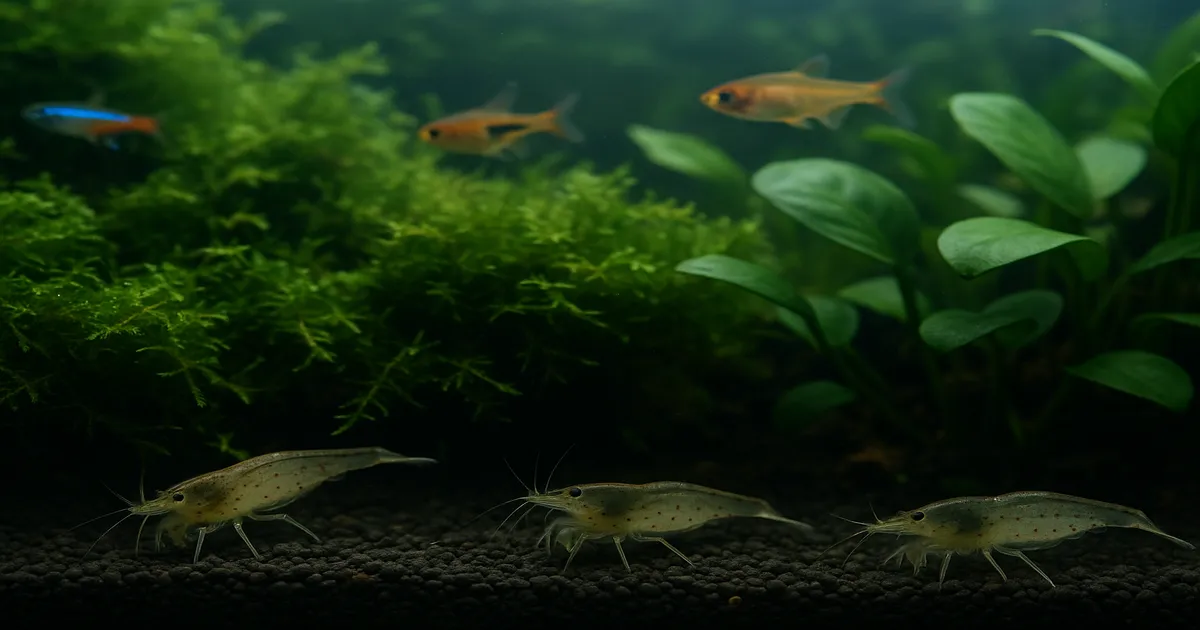
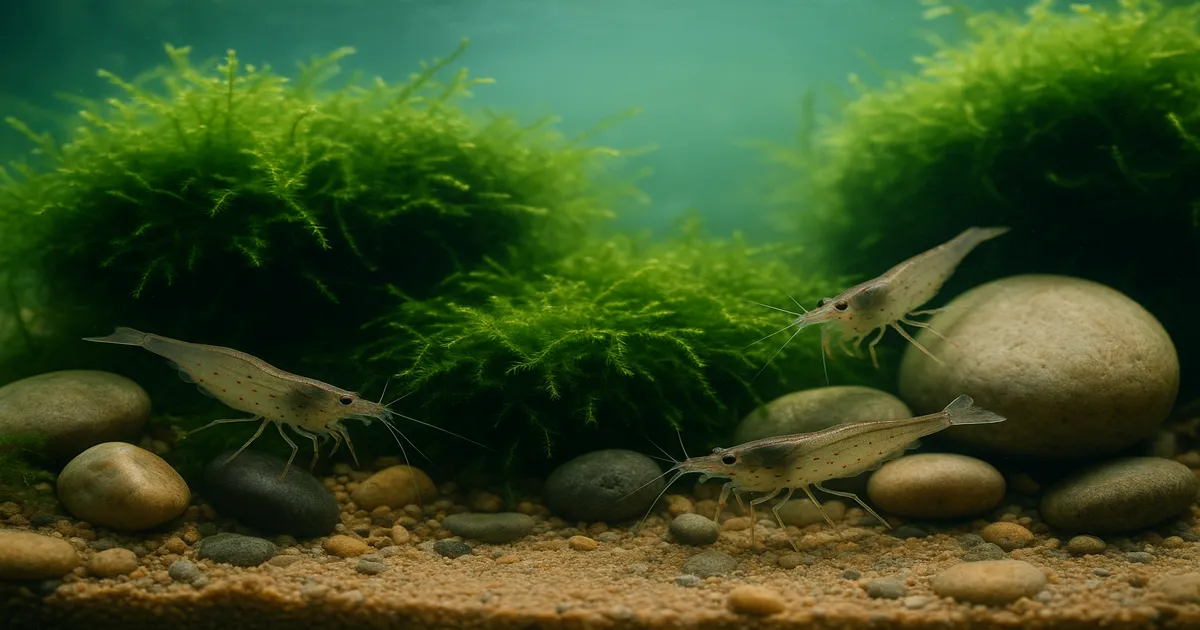
Adults reach 1.5–2 inches, making them noticeably larger than Neocaridina shrimp like cherry shrimp. Their bodies are semi-transparent with rows of reddish-brown or grayish dots and dashes running along their flanks. Under good conditions they live 2–3 years, though some aquarists report 4–5 years with consistently excellent water quality.
There are no selectively bred color morphs — every Amano shrimp sold commercially is wild-type. If yours suddenly looks orange, bright white, or opaque, that’s a stress signal or sign of illness, not a color variant.
Telling Males and Females Apart
Sexing them is straightforward once you know what to look for:
- Females are larger, with a row of broken dashes along their sides. Gravid females carry eggs under their abdomen and look “berried.”
- Males are smaller, with a more continuous dotted line pattern along the flanks.
How to Take Care of Amano Shrimp: Water Parameters
pH, GH, and KH
Aim for neutral to slightly alkaline water with a pH of 7.0–7.5. They can tolerate a wider range (6.5–8.0) than many shrimp species, but stability matters more than hitting an exact number. GH should sit at 6–8 dGH — calcium and magnesium are literally what their exoskeletons are made of, and low GH is one of the most common causes of molting failures. KH of 3–8 dKH buffers your pH against swings, which is especially important in heavily planted tanks.
Temperature
Keep the tank at 72–78°F (22–26°C) for optimal health and activity. Above 82°F (28°C), dissolved oxygen drops sharply and shrimp become visibly stressed. They can handle cooler temperatures — down to about 65°F (18°C) short-term — but consistent warmth in the ideal range keeps their immune systems functioning well.
Ammonia, Nitrite, and Nitrate
This is non-negotiable: ammonia and nitrite must read 0 ppm. Even 0.25 ppm ammonia can kill shrimp that would survive in a fish-only tank. Nitrate should stay below 20 ppm; chronic exposure above 40 ppm noticeably shortens their lifespan. Test your water regularly with a reliable liquid test kit — the API Freshwater Master Test Kit is a solid, affordable choice — and never add shrimp to a tank that hasn’t fully cycled.
Copper and Chlorine
Copper is lethal to all invertebrates, even in trace amounts. Check every fertilizer, medication, and plant treatment for copper content before it goes anywhere near your shrimp tank. Old copper plumbing can also leach enough into tap water to cause problems.
For water changes, use a dechlorinator that neutralizes chloramine as well as chlorine. Chloramine is a bonded compound that basic dechlorinators may not fully break down. Seachem Prime is the go-to recommendation for most shrimp keepers — it handles both, and a small bottle goes a long way.
Oxygen and Flow
Amano shrimp are more oxygen-demanding than most dwarf shrimp, reflecting their fast-moving native streams. Surface agitation is important — make sure your filter or air stone breaks the surface enough to allow gas exchange. At higher temperatures especially, low dissolved oxygen becomes a real risk.
Setting Up the Tank
Tank Size and Substrate
A 10-gallon tank works for a small group of 6–10 shrimp, but 20 gallons is a much better choice if you’re adding fish. Larger water volume means slower parameter swings, which directly translates to healthier shrimp.
Fine gravel or sand both work well. Sand is closer to their natural habitat and lets them sift for food naturally. Planted tank substrates like ADA Aqua Soil are excellent for planted setups, but they must be fully cycled before you add shrimp — active substrates can initially leach ammonia. Avoid anything with sharp edges that could damage their delicate legs and antennae.
Plants, Driftwood, and Decor
Live plants are strongly recommended. They provide grazing surfaces for biofilm, help export nitrates, and give shrimp places to hide during the vulnerable molting period. Good options include:
- Java moss — a biofilm magnet and favorite foraging spot
- Java fern and Anubias — tough, low-light plants that accumulate biofilm on their leaves
- Hornwort — fast-growing, excellent at absorbing nitrates
- Floating plants (frogbit, water lettuce) — diffuse light and add surface area
Driftwood is genuinely valuable, not just decorative. It leaches tannins that support biofilm growth — one of the shrimp’s primary food sources — and provides natural hiding spots. Indian almond leaves serve a similar purpose and are worth adding to any shrimp tank.
Filtration
Sponge filters are the safest option for shrimp tanks. They colonize beneficial bacteria well, produce gentle flow, and there’s no impeller to suck in a shrimp. If you prefer a hang-on-back or canister filter for a larger tank, fit the intake with a fine foam pre-filter sponge — without one, shrimp (especially smaller individuals) will get pulled in. Target a turnover rate of 5–10× your tank volume per hour, and use a spray bar or deflector to avoid blasting your shrimp with direct current.
Lighting
Stick to 8–10 hours of light per day on a consistent timer. Full-spectrum LED lighting in the 6500–7000K range supports plant growth and natural algae development. Shrimp are most active during lower-light periods, so providing shaded areas with floating plants or taller stem plants helps them feel secure.
Tank Mates
Good Companions
The rule of thumb is simple: if a fish can fit a shrimp in its mouth, it will eventually try. Stick with small, peaceful species:
- Ember tetras, neon tetras, cardinal tetras
- Harlequin rasboras, chili rasboras, celestial pearl danios
- Otocinclus catfish — excellent algae-eating companions that won’t bother shrimp
- Pygmy and habrosus Corydoras
- Endler’s livebearers, sparkling gouramis
Amano shrimp also coexist well with most snails — nerites, mystery snails, and ramshorns are all fine. Other dwarf shrimp species are generally compatible, though Amanos may outcompete smaller shrimp at feeding time.
Fish to Avoid
- Cichlids of almost any species
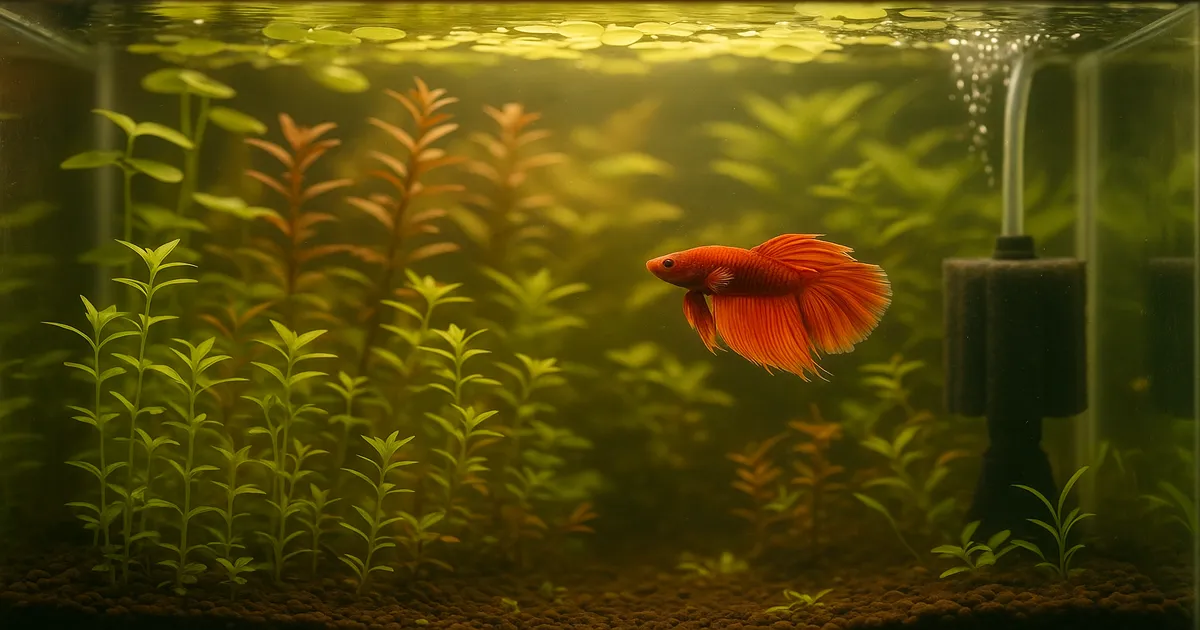
- Bettas — some individuals are fine, many are not; it’s a gamble not worth taking with shrimp you care about
- Goldfish — they’ll eat shrimp and prefer cooler water
- Angelfish, larger gouramis, tiger barbs
- Pea puffers — small but will relentlessly nip at shrimp
- Clown and yoyo loaches — enthusiastic shrimp hunters
Group Size
Keep a minimum of six Amano shrimp together, and ideally 10–20. Lone shrimp or very small groups hide constantly and show stress behaviors. In a proper group, they’re active, visible, and genuinely entertaining to watch as they work their way across every surface in the tank.
Feeding Amano Shrimp
What They Eat
In their natural habitat, Amano shrimp are opportunistic omnivores — grazing on algae and biofilm, picking through leaf litter and detritus, and occasionally consuming small invertebrates or zooplankton. Biofilm is arguably their most important food source, which is why a mature, established tank suits them far better than a brand-new setup.
In a well-planted, established tank they’ll graze constantly and may not need much supplemental feeding at all. When you do feed, good options include:
- Algae wafers — a reliable staple; Hikari Algae Wafers are widely used and readily accepted
- Repashy gel foods (Soilent Green, Morning Wood) — highly nutritious and eagerly eaten
- Blanched vegetables — zucchini, spinach, cucumber, shelled peas; blanch briefly to soften them
- Occasional protein treats — frozen bloodworms, daphnia, or brine shrimp once or twice a week
They’re excellent at eating hair algae, thread algae, and diatoms. They won’t make much of a dent in hard green spot algae, though — that’s a job for nerite snails.
How Often and How Much
Feed every 1–2 days, offering only what they’ll consume within 2–3 hours. Remove uneaten food promptly — decomposing food is one of the fastest ways to spike ammonia in a shrimp tank. When in doubt, feed less. A tank with good biofilm growth can sustain Amano shrimp with very little supplemental input.
In a community tank, feed the fish first, then drop sinking shrimp food to the bottom while the fish are distracted near the surface. This gives your shrimp a fighting chance before faster tank mates vacuum everything up.
Minerals for Healthy Molting
Adequate GH (6–8 dGH) provides the calcium and magnesium shrimp need to form healthy exoskeletons. If your tap water is soft, adding a cuttlebone to the tank works as a passive calcium supplement. Some keepers add small amounts of iodine to support molting, though this is debated and generally unnecessary in a well-maintained tank.
Common Health Problems
White Ring of Death
The white ring of death (WRD) is a white band that appears at the junction between the carapace and abdomen when a shrimp is stuck mid-molt. It’s almost always caused by low GH, sudden parameter swings, or poor nutrition. There’s no treatment once it appears — prevention is everything. Maintain GH at 6–8 dGH, keep parameters stable, and perform water changes slowly using drip acclimation rather than dumping new water directly into the tank.
Stress and Poor Water Quality
Watch for these warning signs:
- Loss of color, or becoming opaque or white
- Lethargy or unusual stillness
- Erratic swimming near the surface — a classic ammonia distress signal
- Hiding constantly when they were previously active
Any of these should prompt an immediate water test.
Copper and Chemical Poisoning
Copper is the number one chemical killer of Amano shrimp. Even trace amounts from liquid fertilizers, algaecides, or medications can wipe out an entire tank. Never use any product in a shrimp tank without confirming it’s invertebrate-safe. If you’re treating a disease in a community tank, move the shrimp to a quarantine tank first.
Quarantine
Quarantine all new shrimp for 2–4 weeks in a separate tank before introducing them to your main setup. This protects your existing shrimp from potential pathogens — including parasites like Vorticella and Scutariella that occasionally appear on newly purchased shrimp — and gives new arrivals time to stabilize after the stress of shipping.
How to Take Care of Amano Shrimp: Frequently Asked Questions
How many Amano shrimp should be kept together?
Keep a minimum of six, though groups of 10–20 are ideal. In small numbers, they’re stressed and reclusive. In a proper group, they’re active, confident foragers that spend most of their time visibly grazing across every surface in the tank.
Can Amano shrimp live with betta fish?
It depends on the individual betta. Some ignore shrimp entirely; others hunt them relentlessly. Because Amano shrimp are larger than most dwarf shrimp, they have a slightly better survival rate in betta tanks — but it’s still a gamble. If you try it, provide dense plant cover and monitor closely for the first few days.
Why is my Amano shrimp turning white or opaque?
An opaque or white Amano shrimp is almost always a stress or health signal. Common causes include poor water quality (especially ammonia or nitrite spikes), copper contamination, or bacterial infection. Shrimp also turn slightly milky just before a molt, which is normal. Test your water immediately and check for any recent chemical additions to the tank.
How long do Amano shrimp live in captivity?
Under good conditions, 2–3 years. With consistently excellent water quality, stable parameters, and a varied diet, some individuals reach 4–5 years. The biggest lifespan killers are chronic nitrate exposure, temperature fluctuations, and copper contamination.
Do Amano shrimp need a heater?
In most home aquariums, yes. Amano shrimp thrive at 72–78°F (22–26°C), and unless your home stays consistently in that range year-round, a reliable adjustable heater is necessary. In summer, watch the upper limit closely — above 82°F (28°C), stress and oxygen depletion become serious risks.