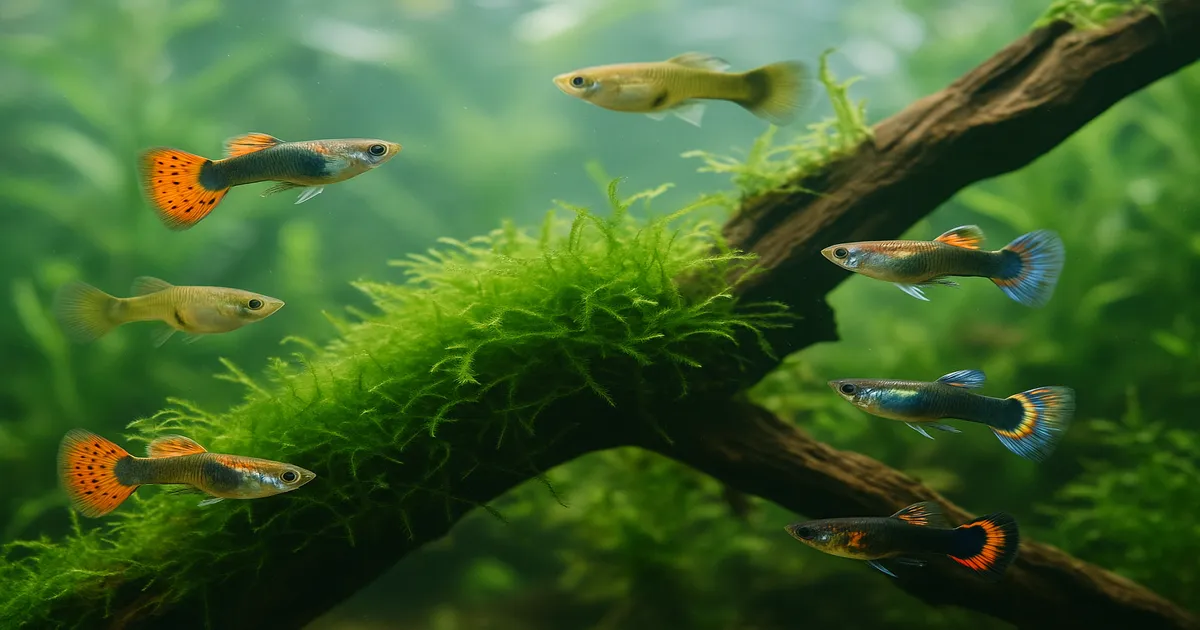
Quick Answer: Guppies (Poecilia reticulata) are one of the best beginner fish you can keep — colorful, hardy, and endlessly entertaining. This guppy care guide for beginners covers everything you need: a 10-gallon or larger tank, stable water between 74–82°F (23–28°C), a pH of 7.0–7.6, and a varied diet of quality flake food with occasional live or frozen treats. Cycle the tank first, maintain a good male-to-female ratio, and these fish will reward you for years.
Guppy Care at a Glance
Guppies have been among the most popular aquarium fish in the world for over a century — and for good reason. They forgive beginner mistakes, come in stunning color varieties, and are genuinely fun to watch. As livebearers, they give birth to free-swimming fry rather than laying eggs, which means breeding happens whether you plan for it or not.
| Fact | Detail |
|---|---|
| Scientific Name | Poecilia reticulata |
| Common Names | Guppy, Rainbow Fish, Million Fish |
| Lifespan | 2–3 years |
| Adult Size | Males: 1–1.5 in; Females: 1.5–2.5 in |
| Minimum Tank Size | 10 gallons |
| Temperature | 74–82°F (23–28°C) |
| pH | 7.0–7.6 |
| GH | 8–12 dGH |
| Diet | Omnivore |
| Difficulty | Beginner-friendly |
| Type | Livebearer |
Species Background and Natural Habitat
Taxonomy and Common Names
Poecilia reticulata belongs to the family Poeciliidae and was first described by German naturalist Wilhelm Peters in 1859. The common name “guppy” comes from Robert John Lechmere Guppy, who submitted specimens from Trinidad to the British Museum in 1866. You’ll also hear them called rainbow fish or million fish — the latter a nod to how enthusiastically they breed.
Where Guppies Come From
Wild guppies are native to northeastern South America, including Trinidad, Venezuela, Guyana, and Barbados. They inhabit shallow, slow-moving freshwater streams, ponds, and coastal areas with heavy vegetation and soft, sandy or muddy bottoms. Water conditions in these habitats vary considerably, which explains why guppies tolerate a wider range of parameters than many tropical fish.
Wild-Type vs. Selectively Bred Fancy Guppies
Wild-type guppies look modest compared to what you’ll find at your local fish store. Decades of selective breeding have produced hundreds of fancy strains, grouped by tail shape and color pattern.
Common tail shapes: Delta/triangle, veil tail, sword tail (single or double), lyre tail, round tail, fan tail
Popular color strains: Moscow Blue, Cobra, Tuxedo, Red Dragon, Albino, Platinum, Snakeskin
How to Tell Males from Females
Sexual dimorphism in guppies is hard to miss. Males are smaller (1–1.5 inches), brightly colored, and have a modified anal fin called a gonopodium — a rod-like structure used for internal fertilization. Females are larger (1.5–2.5 inches), plainer in color, and have a rounded anal fin plus a dark gravid spot near the abdomen that deepens when they’re pregnant.
Note on Endler’s livebearers: Poecilia wingei looks similar to a wild-type guppy and makes a compatible tank mate — but the two species will hybridize freely. Keep them separate if you want to maintain pure strains.
Ideal Water Parameters for Guppies
Temperature, pH, and Hardness
Guppies do best at 74–82°F (23–28°C). Temperatures below 60°F (15.5°C) are lethal within hours; sustained heat above 84°F (29°C) shortens lifespan and raises disease risk. For breeding, aim for 76–80°F (24–27°C).
pH should sit between 7.0 and 7.6. Avoid extended periods below 6.5 — acidic water weakens the immune system, especially in fancy strains.
One thing that surprises many new keepers: guppies genuinely need moderately hard water. General hardness (GH) should be 8–12 dGH. Soft water below 4 dGH causes fin deterioration, reproductive failure, and skeletal problems over time. If your tap water is soft, a small amount of crushed coral or limestone in the filter raises GH naturally and cheaply. Carbonate hardness (KH) of 4–8 dKH buffers against pH swings — particularly important in heavily stocked tanks where biological activity can drive pH down overnight.
Ammonia, Nitrite, and Nitrate
Ammonia and nitrite must be 0 ppm at all times. Even 0.25 ppm of nitrite causes gill damage. Nitrate should stay below 20 ppm; levels above 40 ppm cause chronic stress, fin rot, and immune suppression. Weekly water changes are your primary tool for keeping nitrate in check.
Water Parameter Quick-Reference Table
| Parameter | Ideal Range | Acceptable Range |
|---|---|---|
| Temperature | 74–82°F (23–28°C) | 64–84°F (18–29°C) |
| pH | 7.0–7.6 | 6.8–8.5 |
| GH | 8–12 dGH | 4–20 dGH |
| KH | 4–8 dKH | 3–12 dKH |
| Ammonia | 0 ppm | 0 ppm |
| Nitrite | 0 ppm | 0 ppm |
| Nitrate | <20 ppm | <40 ppm |
Stability matters more than hitting exact numbers. A pH of 7.4 that never swings beats one that bounces between 7.0 and 8.0 every few days. Larger tanks make stability far easier to maintain — one reason beginners are often better off starting with a 20-gallon rather than a 10-gallon.
Setting Up a Guppy Tank for Beginners
Tank Size and Shape
Ten gallons is the minimum, but 20 gallons is a genuinely better starting point. Larger tanks dilute waste more effectively, hold temperature more steadily, and give you room for tank mates. Choose a long, horizontal tank over a tall, narrow one — guppies are active mid-water swimmers who use horizontal space far more than vertical.
Substrate
Fine gravel (2–5 mm) and aquarium sand both work well. Darker substrates make guppy colors pop more vividly. Avoid very coarse gravel, which traps uneaten food and waste in the gaps.
Filtration
Biological filtration is non-negotiable. Guppies produce more waste than their small size suggests, and without adequate filtration, ammonia spikes fast.
- Sponge filters are the top choice for guppy tanks — gentle flow, excellent biological filtration, and completely safe for fry.
- Hang-on-back (HOB) filters work well but need a fine sponge pre-filter over the intake to prevent fry from being sucked in.
- Avoid powerful internal filters without intake guards — long guppy fins and fry can be seriously injured.
Size your filter for at least 2–3× your tank volume in turnover per hour. Diffuse the output against the glass or use a spray bar to prevent strong currents from exhausting your fish.
Heater and Thermometer
Use a heater rated at 3–5 watts per gallon — a 50W unit suits a 10-gallon tank. Place it near the filter output so heat distributes evenly. Always verify temperature with a separate thermometer; heater thermostats are notoriously unreliable.
Plants and Décor
Live plants are one of the best additions to any guppy setup. They absorb nitrates, provide hiding spots, reduce aggression, and give fry somewhere to survive. Good beginner options include Java fern, Java moss, Hornwort, Anubias, Amazon sword, and Water sprite. Floating plants like Salvinia or Frogbit are especially useful — they diffuse light and give newborn fry instant refuge.
Smooth-edged decorations, driftwood, and caves are all welcome. Avoid anything sharp — guppy fins, especially on fancy males, tear easily.
Cycling Your Tank First
This is the single most important step beginners skip. The nitrogen cycle establishes beneficial bacteria that convert toxic ammonia into nitrite, then into the far less harmful nitrate. It takes 4–6 weeks. Add fish before it’s complete and you’ll face ammonia poisoning — often without realizing it, because the water looks perfectly clear. Use a liquid test kit to confirm both ammonia and nitrite read 0 ppm before adding any fish.
Feeding Your Guppies
Staple Diet
Wild guppies are true omnivores, grazing constantly on algae, mosquito larvae, zooplankton, and small invertebrates. In captivity, a high-quality flake food should form the foundation of their diet. Check the ingredient list — fish meal or shrimp meal should appear first, not wheat flour or corn. Spirulina-based foods make an excellent supplement, supporting immune health and enhancing color. (New Life Spectrum Optimum Flakes)
Protein Supplements and Live Foods
Two to three times a week, offer protein-rich supplements:
- Frozen/thawed: Brine shrimp, daphnia, bloodworms, mysis shrimp
- Live foods: Brine shrimp nauplii, daphnia, micro worms — especially good for conditioning breeding fish
A diet of only flake food keeps guppies alive. A varied diet keeps them vibrant, healthy, and breeding successfully.
Feeding Schedule and Portion Size
Feed small amounts two to three times daily — only what your fish can consume within two minutes. Remove uneaten food promptly. Overfeeding is one of the fastest ways to crash water quality; decomposing food spikes ammonia within hours.
Guppy Tank Mates
Compatible Species
Guppies are peaceful and do well with similarly sized, non-aggressive fish that share their water requirements:
- Mollies, platies, swordtails — same water needs, equally peaceful
- Corydoras catfish — excellent bottom-dwelling cleanup crew
- Otocinclus catfish — peaceful algae eaters
- Harlequin rasboras — compatible and similarly sized
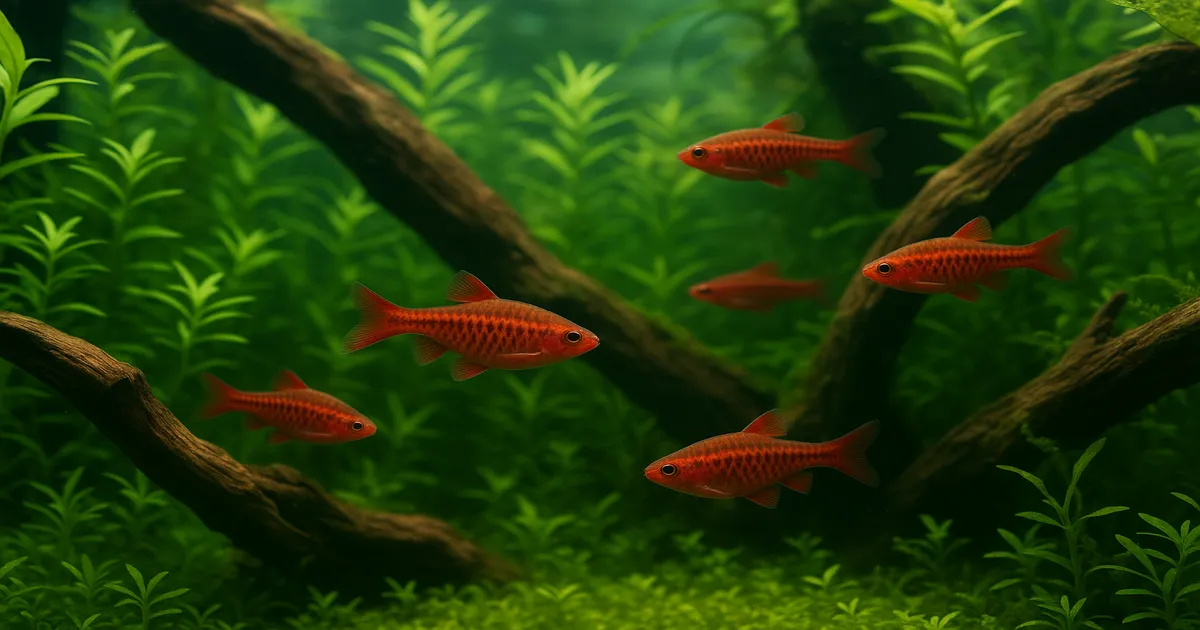
- Neon or cardinal tetras — compatible at pH 7.0+, though they prefer slightly softer water
- Nerite and mystery snails — great algae control, no breeding concerns
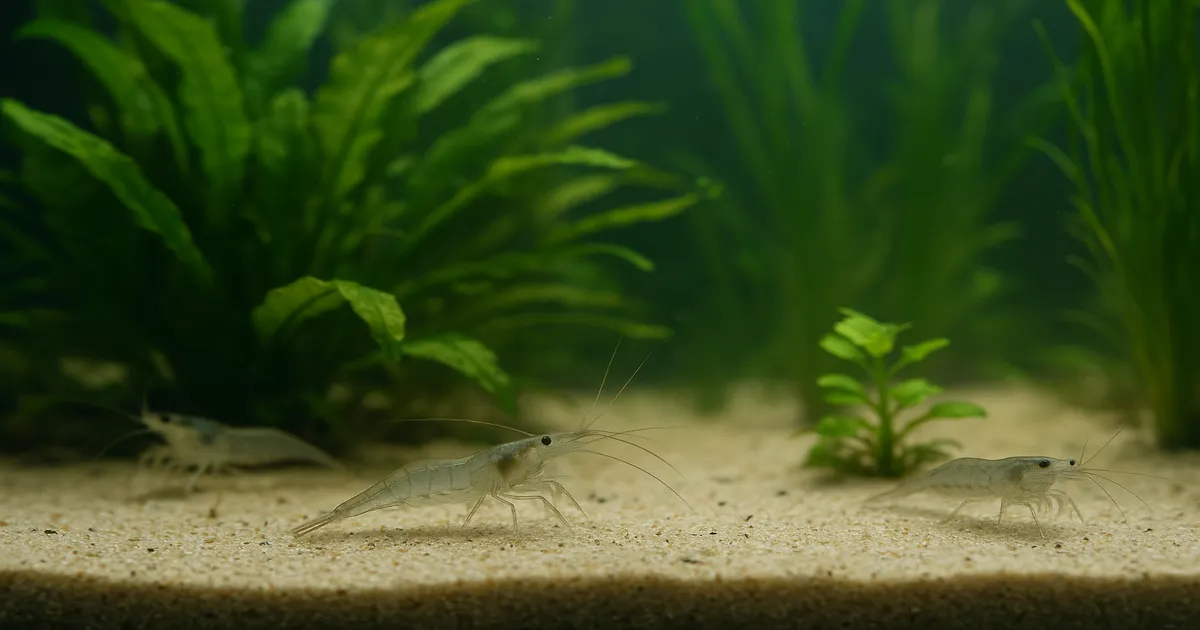
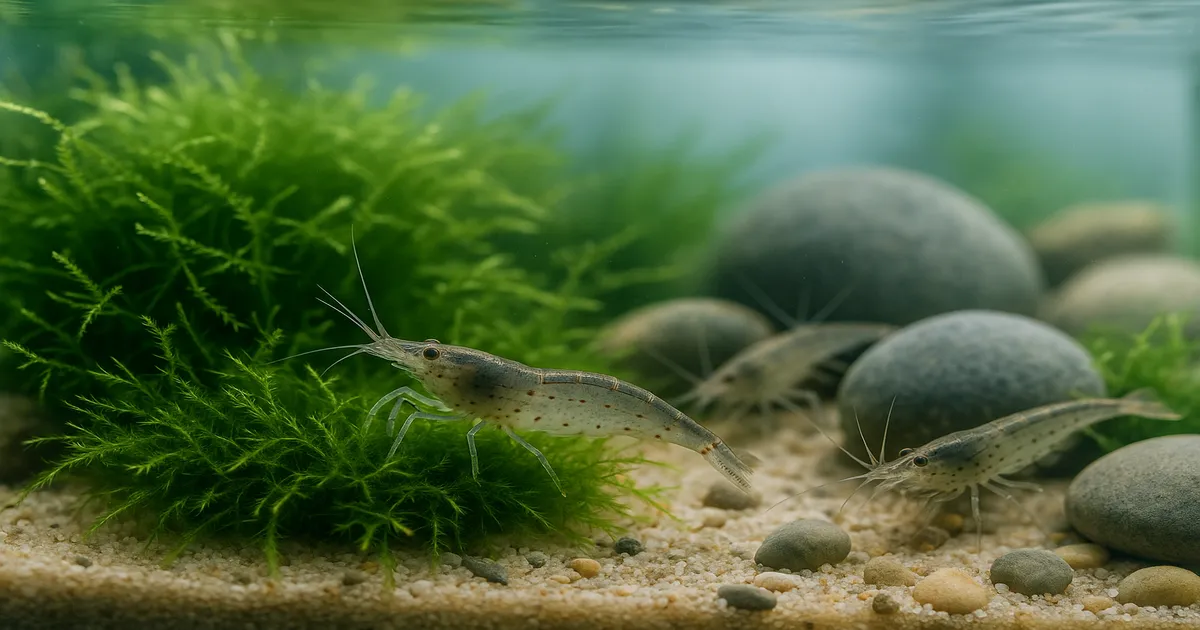
- Cherry shrimp (adults) — compatible, though guppies will eat shrimp fry
- Bristlenose plecos — good algae control in 20+ gallon tanks
Species to Avoid
| Species | Why to Avoid |
|---|---|
| Tiger barbs | Relentless fin nippers |
| Serpae tetras | Aggressive fin nippers |
| Bettas | Will attack and kill guppies |
| Most cichlids | Too aggressive; will eat or harass guppies |
| Goldfish | Cold-water fish; incompatible temperature and waste levels |
| Red-tailed sharks | Territorial toward smaller fish |
| Oscars / large predators | Will eat guppies |
| Crayfish | Will catch and eat guppies, especially at night |
The Ideal Male-to-Female Ratio
Keep 1 male for every 2–3 females. This distributes male attention and prevents females from being harassed to exhaustion, losing condition, or dying prematurely. An all-male tank is also a valid option if you don’t want to manage breeding — males may occasionally chase each other, so provide plenty of plants to break lines of sight.
Common Health Problems in Guppies
Signs of a Healthy vs. Stressed Guppy
A healthy guppy is active, holds its fins erect, shows vibrant color, and eats eagerly. Warning signs include clamped fins, faded color, lethargy, loss of appetite, surface gasping, or listing to one side.
Fin Rot
Fin rot is the most common guppy ailment and almost always traces back to poor water quality. Fin edges look ragged, discolored, or visibly receding. Start with an immediate 25–30% water change and check your parameters. Aquarium salt (1 teaspoon per gallon) acts as a mild antiseptic. Persistent cases may need an antibacterial medication. (Seachem KanaPlex)
Ich (White Spot Disease)
Ich (Ichthyophthirius multifiliis) looks like someone sprinkled salt grains on your fish. It’s highly contagious and moves fast. Raise the tank temperature gradually to 82–86°F (28–30°C) over 24–48 hours to speed up the parasite’s life cycle, and treat with an ich-specific medication. (Hikari Ich-X) Maintain the elevated temperature for at least two weeks after the last visible spot disappears.
Velvet Disease
Velvet (Oodinium) causes a fine gold-dust appearance on the body — easiest to spot under a flashlight in a darkened room. Treat in a quarantine tank with a copper-based medication. Never treat in a tank containing snails or shrimp, as copper is toxic to invertebrates.
Internal Parasites (Camallanus Worms)
If a guppy eats normally but loses weight steadily — or if you see tiny red worms protruding from the vent — suspect internal parasites. Camallanus worms require treatment with fenbendazole or levamisole. Act quickly, as internal parasites spread through the tank via feces.
Prevention: Water Changes and Quarantine
Most guppy diseases are entirely preventable. A 25–30% water change every week keeps nitrate low and removes dissolved waste before it causes problems. Always quarantine new fish in a separate tank for 2–4 weeks before adding them to your display. This single habit prevents the majority of disease outbreaks.
Breeding Guppies: What Beginners Need to Know
How Guppy Reproduction Works
Guppies are livebearers — females give birth to fully formed, free-swimming fry rather than laying eggs. Males use the gonopodium to fertilize females internally, and females can store sperm for months, producing multiple broods from a single mating. In a mixed-sex tank, breeding happens automatically.
Identifying a Pregnant Guppy
A pregnant female’s abdomen grows noticeably rounder, and the gravid spot near her anal fin darkens as the fry develop. Gestation lasts approximately 21–30 days depending on temperature — warmer water shortens the cycle. As birth approaches, the female may become reclusive or hover near the surface.
Protecting the Fry
The simplest approach is dense floating plants like Java moss or Salvinia — fry instinctively hide in them immediately after birth. For more control, move the pregnant female to a separate 5–10 gallon fry tank a few days before she’s due. Remove her promptly after she gives birth, as guppies will eat their own young. Feed fry crushed flake food or baby brine shrimp 3–4 times daily for the first few weeks.
Guppy Care FAQ
How many guppies can I keep in a 10-gallon tank? A good rule of thumb is 1 inch of fish per gallon, but guppies are active and produce significant waste. Stick to 6–8 guppies in a 10-gallon tank, and keep up with weekly water changes. A 20-gallon gives you much more flexibility.
Do guppies need a heater? Yes, in most homes. Guppies need stable temperatures between 74–82°F (23–28°C). Room temperature in many houses dips below this range, especially at night or in winter. A reliable heater is essential.
Why are my guppies’ fins clamped or ragged? Clamped fins usually signal stress from poor water quality, low temperature, or disease. Ragged fin edges point to fin rot. Test your water first — ammonia, nitrite, and nitrate — and do a water change before reaching for medication.
Can guppies live with bettas? Generally no. Bettas often mistake the flowing fins of male guppies for rival bettas and attack them. Some individual bettas are more tolerant, but the risk isn’t worth it in most community setups.
How long do guppies live? With good care — stable water parameters, a varied diet, and low stress — guppies typically live 2–3 years. Some individuals reach 3.5 years, though this is less common in fancy strains, which tend to be less robust than wild-type fish.