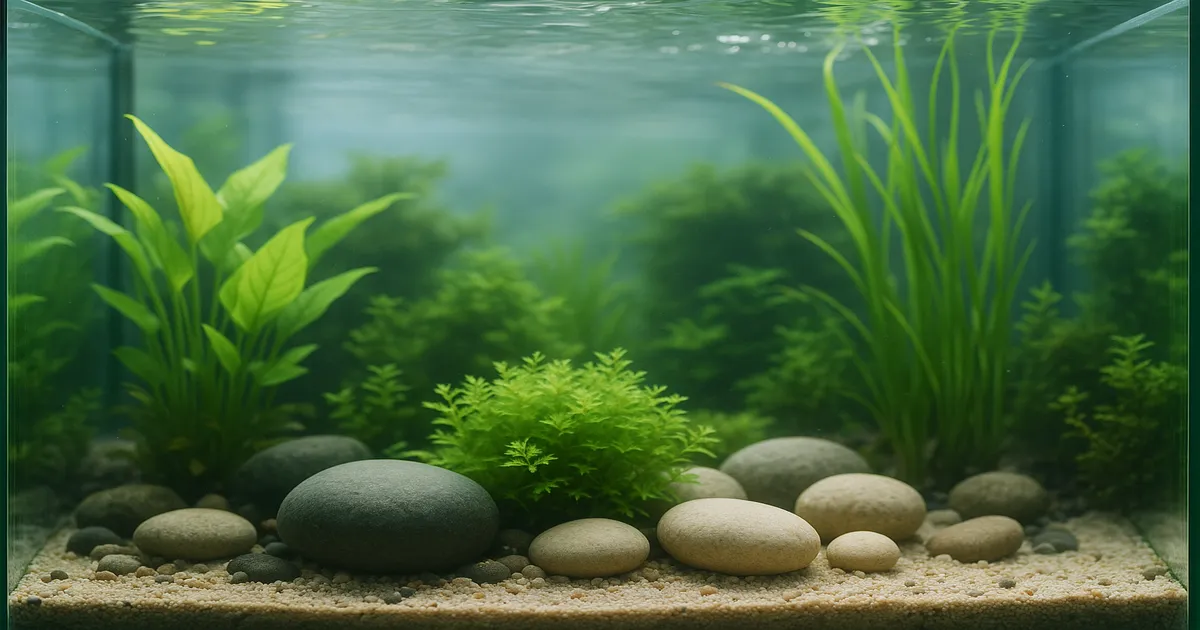
Quick Answer: The best affordable, low-maintenance aquarium filter depends on your tank size — sponge filters win for nano tanks and shrimp, AquaClear HOBs are the top all-rounder for beginner community tanks, and SunSun canister filters offer the lowest long-term effort for larger setups. “Low maintenance” means simple, infrequent cleaning — not zero work. Pick the right filter for your tank size and bioload, and you’ll spend more time enjoying your fish than cleaning equipment.
Finding the best affordable low-maintenance aquarium filter is one of the most common questions new fishkeepers ask — and for good reason. The wrong filter means constant cleaning, unexpected ammonia spikes, and stressed fish. The right one runs quietly in the background, keeps your water stable, and only needs attention every few weeks. Here’s everything you need to make a smart choice.
Best Affordable Low-Maintenance Filters at a Glance
Top Picks by Tank Size and Budget
| Tank Size | Best Pick | Avg. Price | Maintenance Interval |
|---|---|---|---|
| 1–10 gal (nano/shrimp) | Hikari Bacto-Surge Sponge Filter | $5–$12 | Every 2–4 weeks |
| 10–40 gal (community) | AquaClear 20/30/50 HOB | $25–$45 | Every 2–4 weeks |
| 20–55 gal (medium) | Fluval U Series Internal | $20–$35 | Every 2–4 weeks |
| 40–100+ gal (large) | SunSun HW-302 Canister | $50–$80 | Every 4–8 weeks |
What Makes a Filter Truly Low Maintenance?
Low maintenance means the filter runs reliably for weeks between cleanings, uses affordable or reusable media, and won’t crash your tank’s nitrogen cycle when you do clean it. It does not mean set-it-and-forget-it forever. Every filter needs periodic attention — the difference is how often, and how easy that process is.
Understanding Aquarium Filtration: The Three Stages
Mechanical Filtration: Trapping Physical Waste
Mechanical filtration is the most visible stage. Foam, sponge, or filter floss physically catches uneaten food, fish waste, and plant debris before it breaks down and pollutes your water. Think of it as the first line of defense. Denser media traps finer particles, but it also clogs faster and needs more frequent rinsing.
Biological Filtration: The Nitrogen Cycle Backbone
This is the most critical stage for long-term tank stability. Beneficial bacteria — primarily Nitrosomonas and Nitrospira — colonize porous filter media and convert toxic ammonia → nitrite → nitrate through the nitrogen cycle. Without an established bacterial colony, even a missed water change can trigger a dangerous ammonia spike.
A new filter typically takes 4–8 weeks to fully cycle. You can cut that down to 1–2 weeks by seeding with established sponge media, squeezing an old filter sponge into your new tank, or adding a bottle of Fritz Turbo 700 or Tetra SafeStart.
Chemical Filtration: When You Need It (and When You Don’t)
Activated carbon removes dissolved organics, odors, medications, and some heavy metals. It’s useful after treating disease or if your tap water contains chloramines. For most healthy, established tanks, it’s optional. One important caveat: carbon must be replaced every 3–4 weeks, or it starts leaching absorbed compounds back into the water. If you’re not replacing it on schedule, pull it out and use that space for more biological media instead.
Filter Types Compared: Pros, Cons, and True Maintenance Costs
Sponge Filters: The Best Budget Low-Maintenance Option
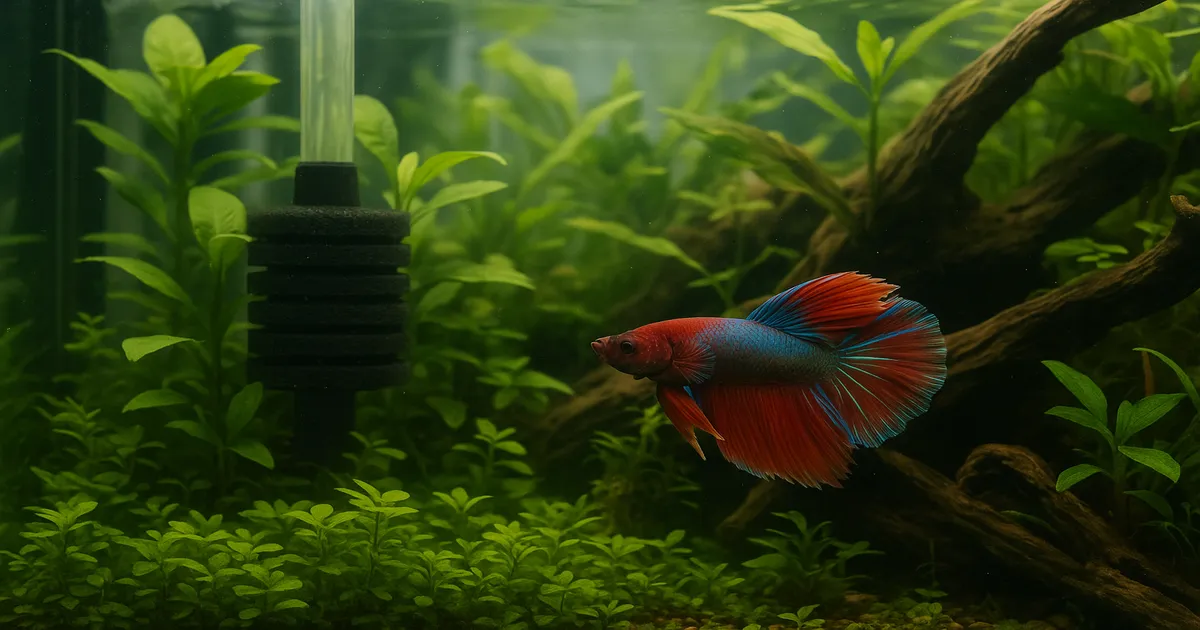
Sponge filters are air-driven — an air pump pushes water through a foam sponge that hosts a large colony of beneficial bacteria. They cost $3–$15, last for years, and maintenance is just a quick squeeze in a bucket of old tank water every 2–4 weeks. You’ll need a separate air pump and tubing, but the total setup runs well under $20.
They’re the gold standard for shrimp tanks, fry, and bettas because the flow is extremely gentle and there’s no dangerous intake. The main limitation is capacity — sponge filters won’t handle large tanks or heavy bioloads as efficiently as HOB or canister filters.
Hang-on-Back (HOB) Filters: Best All-Rounder for Beginners
HOB filters hang on the back wall, draw water up through an intake tube, pass it through filter media, and return it to the tank. They’re easy to set up, easy to access for cleaning, and handle all three filtration stages. The AquaClear series stands out because it uses an open media basket rather than proprietary cartridges — you fill it with whatever media you want, and you never pay inflated prices for branded replacement pads.
Most competing HOBs lock you into buying their specific cartridges every few weeks, which adds up fast. With an AquaClear, a bag of ceramic rings and a generic sponge pad will last months to years.
Watch out for: HOB outflows can create strong surface agitation — fine for most fish, but problematic for bettas or CO₂-injected planted tanks.
Internal Power Filters: Compact and Versatile
Internal filters mount to the glass with suction cups and sit fully submerged. They’re a solid choice for tanks in the 10–40 gallon range, especially when you don’t want anything hanging off the back. The Fluval U Series offers adjustable flow and multiple media compartments at a reasonable price.
The main drawback: you have to reach into the tank to remove them for cleaning, which is slightly less convenient than a HOB.
Canister Filters: Highest Upfront Cost, Lowest Long-Term Effort
Canister filters sit outside the tank — usually in the cabinet below. Water travels through an intake tube, passes through multiple layers of media inside a sealed canister, and returns via an output tube. Because the media volume is large, canisters only need cleaning every 4–8 weeks. That’s the key selling point.
For tanks 40 gallons and up, the SunSun HW-302 offers impressive value at around $50–$70. The upfront cost is higher than a sponge or HOB, but the long-term maintenance burden is genuinely lower than any other filter type.
Undergravel Filters: Skip These
Undergravel filters use a perforated plate under the gravel and air-driven uplift tubes to pull water through the substrate. They were popular in the 1970s and 80s but are largely considered outdated today. They require regular gravel vacuuming, don’t work with fine sand or planted substrates, and can develop anaerobic pockets that release toxic hydrogen sulfide. Unless you have a very specific reason to use one, skip them.
Corner Box Filters: Nano Tank Specialists
Air-driven corner box filters are cheap ($5–$10), gentle, and work well in tanks under 10 gallons or dedicated breeding setups. Their small media volume means they fill up quickly — expect to clean them every 1–2 weeks, which makes them less convenient than a sponge filter for most users.
Filter Comparison at a Glance
| Filter Type | Price Range | Maintenance Frequency | Best Use Case |
|---|---|---|---|
| Sponge | $3–$15 | Every 2–4 weeks | Nano, shrimp, fry, bettas |
| HOB | $15–$50 | Every 2–4 weeks | Beginner community tanks |
| Internal | $10–$35 | Every 2–4 weeks | Small–medium tanks |
| Canister | $50–$200+ | Every 4–8 weeks | Medium–large tanks |
| Undergravel | $8–$25 | Weekly–biweekly | Not recommended |
| Corner Box | $5–$15 | Every 1–2 weeks | Nano/breeding tanks |
Matching Your Filter to Your Fish
Low-Flow Species: Bettas, Shrimp, Fancy Goldfish, and Fry
These fish need calm water. Strong current stresses bettas, damages their fins, and exhausts small shrimp. Sponge filters are the default recommendation for this group. If you prefer a HOB, baffle the output with a piece of sponge or a cut plastic bottle to redirect flow along the glass wall rather than directly into the tank.
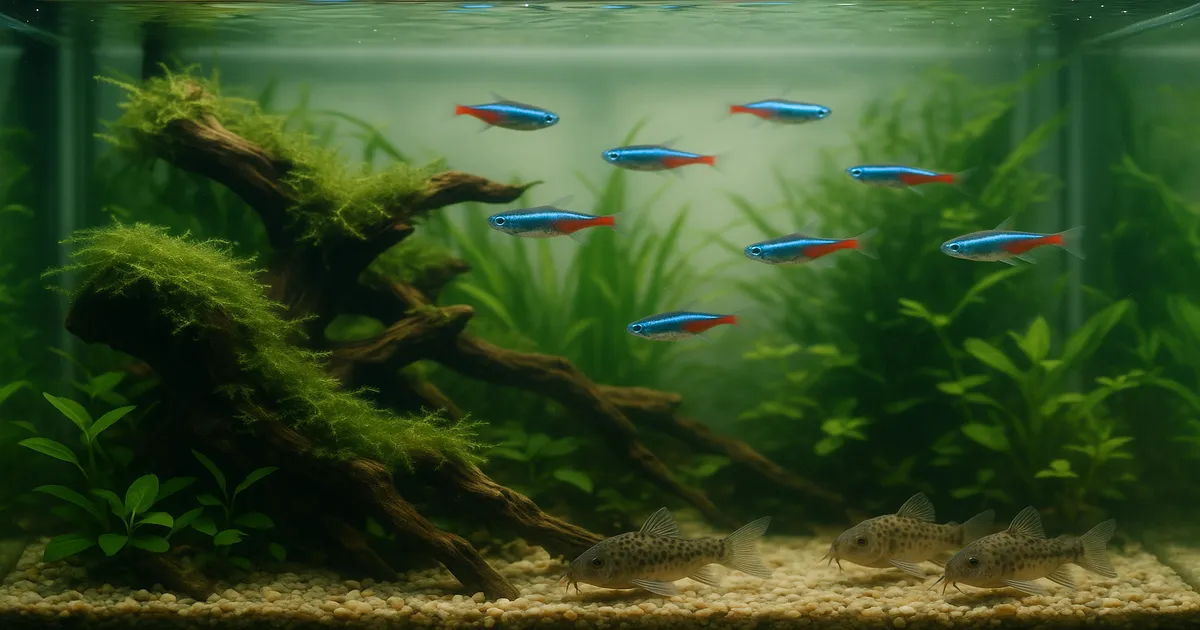
Moderate-Flow Species: Tetras, Corydoras, and Livebearers
Standard HOB or internal filters work perfectly here. Target 4–6× turnover — a 20-gallon tank needs a filter rated for at least 80–120 GPH.
High-Flow Species: Hillstream Loaches, Danios, and African Cichlids
These fish thrive in fast-moving, well-oxygenated water. Canister filters with powerhead supplementation are ideal. For goldfish and oscars — both heavy waste producers — aim for 8–10× turnover.
Sizing Your Filter Correctly
Always size up. A filter rated for 30 gallons on a 20-gallon tank gives you a meaningful safety margin. High-bioload fish like goldfish, oscars, and large plecos need roughly double the filtration you might expect. For shrimp and fry tanks, fit a foam pre-filter sponge over any HOB or canister intake — they cost $2–$5 and prevent small animals from being sucked in.
Filter Maintenance: How to Clean Without Crashing Your Cycle
The Golden Rule: Always Rinse Media in Old Tank Water
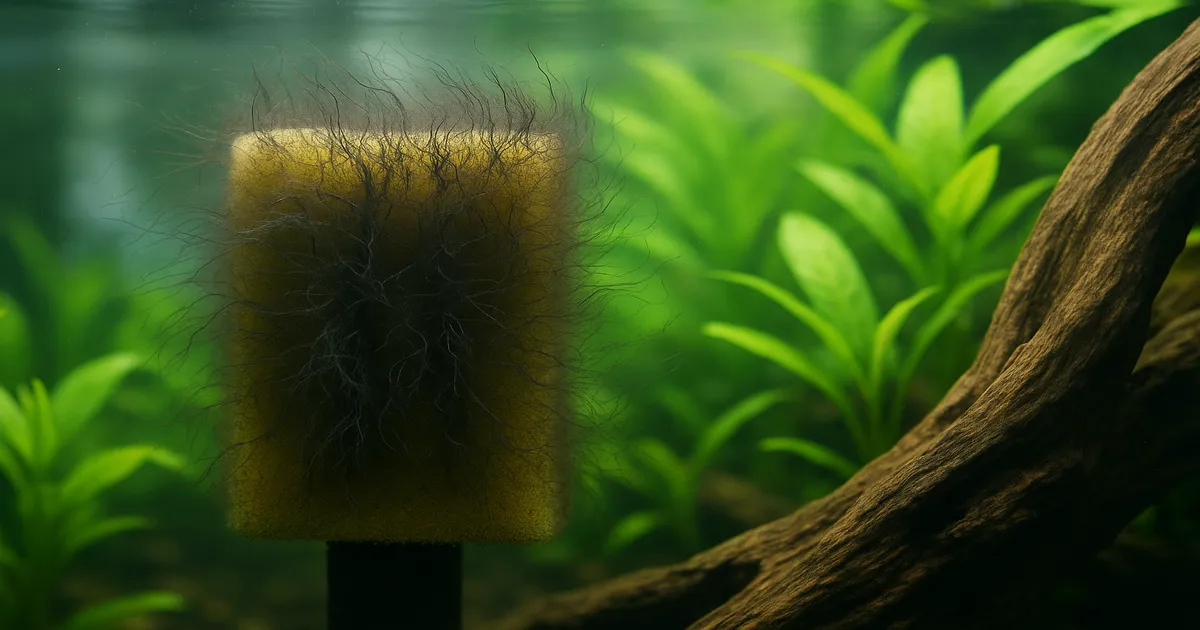
Never rinse biological media under tap water. Chlorine and chloramine kill beneficial bacteria instantly, effectively un-cycling your tank. Always squeeze sponges and rinse ceramic rings in a bucket of water removed during your last water change.
Maintenance Intervals by Filter Type
- Sponge filter: Rinse sponge in old tank water every 2–4 weeks
- HOB filter: Rinse mechanical media every 2–4 weeks; replace carbon every 3–4 weeks; biological media (ceramic rings, sponge) every few months
- Internal filter: Full clean every 2–4 weeks in old tank water
- Canister filter: Full media rinse and basket clean every 4–8 weeks
- Corner box filter: Every 1–2 weeks due to small media volume
Never replace all your filter media at once. Swap out one component at a time, weeks apart, to preserve your bacterial colony.
Signs Your Filter Needs Attention
- Noticeably reduced flow rate
- Cloudy or hazy water that won’t clear
- Ammonia or nitrite reading above 0 ppm
- Unusual odors from the tank
- Visible brown or green slime buildup on the filter body
Water Quality: Key Parameters and Emergency Response
Parameters to Monitor
For a general tropical community tank, aim for:
- Ammonia: 0 ppm — always
- Nitrite: 0 ppm — always
- Nitrate: Below 20–40 ppm; below 10 ppm for shrimp or discus
- pH: 6.8–7.6 — stability matters more than hitting an exact number
- KH: 4–8 dKH to prevent pH swings
- GH: 6–12 dGH for most community fish
- Temperature: 74–80°F (23–27°C) for most tropical species
The API Freshwater Master Test Kit is the hobbyist standard — liquid tests are far more accurate than strip tests and cost less per test over time.
Ammonia Poisoning: Symptoms and Emergency Response
Watch for red or inflamed gills, gasping at the surface, lethargy, loss of appetite, or clamped fins. If you see these signs, act immediately: do a 30–50% water change, confirm your filter is running, and dose with Seachem Prime to temporarily detoxify ammonia and nitrite while your filter catches up.
Even chronic low-level ammonia at 0.25 ppm suppresses immune function without killing fish outright — it just makes them vulnerable. Ich, fin rot, and bacterial infections almost always follow periods of poor water quality.
One Underrated Tip
Keep a spare sponge filter seeded in an established tank. If your main filter ever fails, drop that sponge into the affected tank immediately. It maintains biological filtration while you troubleshoot — and it costs less than $10.
Frequently Asked Questions
What is the easiest aquarium filter to maintain?
Sponge filters are the easiest overall. There’s no impeller to clean, no cartridges to replace, and maintenance is just a quick squeeze in old tank water every 2–4 weeks. For larger tanks where a sponge filter isn’t sufficient, a canister filter like the SunSun HW-302 comes close, thanks to its 4–8 week cleaning schedule.
What is the best affordable low-maintenance filter for a small tank?
For tanks under 10 gallons, a sponge filter is hard to beat. The Hikari Bacto-Surge costs around $10 and outperforms most cheap HOBs in both biological filtration and ease of use. Add a basic air pump and you’re under $20 total — a setup that will last for years.
How often do you need to clean a low-maintenance aquarium filter?
Most filters need mechanical media rinsed every 2–4 weeks. Biological media like ceramic rings can go several months without cleaning. Canister filters are the exception — their large media volume means a full clean every 4–8 weeks is usually sufficient.
Can I use a sponge filter as my only filter?
Yes, for tanks up to about 20–30 gallons with a moderate bioload. Sponge filters provide excellent biological filtration and adequate mechanical filtration for lightly stocked tanks. For heavily stocked tanks or fish with high waste output, pair a sponge filter with a HOB or canister for best results.
Do I need chemical filtration (activated carbon) in my filter?
Not necessarily. Carbon is useful after medicating a tank or if your tap water contains chloramines, but most healthy established tanks don’t need it. If you’re not replacing it every 3–4 weeks, remove it — stale carbon can leach absorbed compounds back into the water.