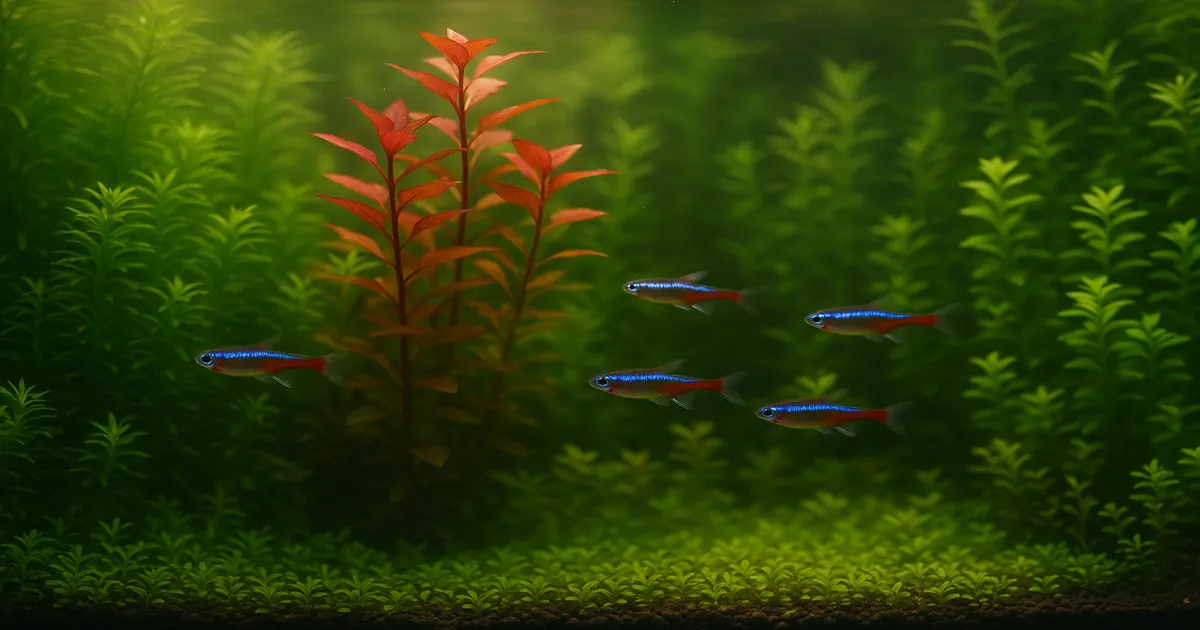
Quick Answer: Yes, you can safely use all three kinds of fertilizers at the same time in a planted aquarium — macronutrients (NPK), micronutrients/trace elements, and root tabs — and in most tanks, doing so is considered best practice. Aquatic plants need 17 essential nutrients, and no single product covers all of them optimally. Using all three types together replicates how plants feed in nature: absorbing nutrients from both the water column and the substrate.
Using three kinds of fertilizers at the same time sounds like overkill until you understand what each one actually does. Combining liquid macronutrients, liquid micronutrients, and root tabs isn’t redundant — it’s how experienced hobbyists keep planted tanks thriving long-term. Each fertilizer type fills a different nutritional gap, and together they create a complete feeding strategy that no single bottle or tablet can match.
Understanding the Three Fertilizer Types
Macronutrient Fertilizers (NPK)
Nitrogen, phosphorus, and potassium are the nutrients plants consume fastest. In any moderately planted tank, levels drop quickly — which is why macros are delivered as liquid column fertilizers dosed several times per week. Products like Seachem Flourish Nitrogen or NilocG Thrive are formulated to maintain stable concentrations in the water column, where plants absorb them directly through leaves and stems.
Micronutrient and Trace Element Fertilizers
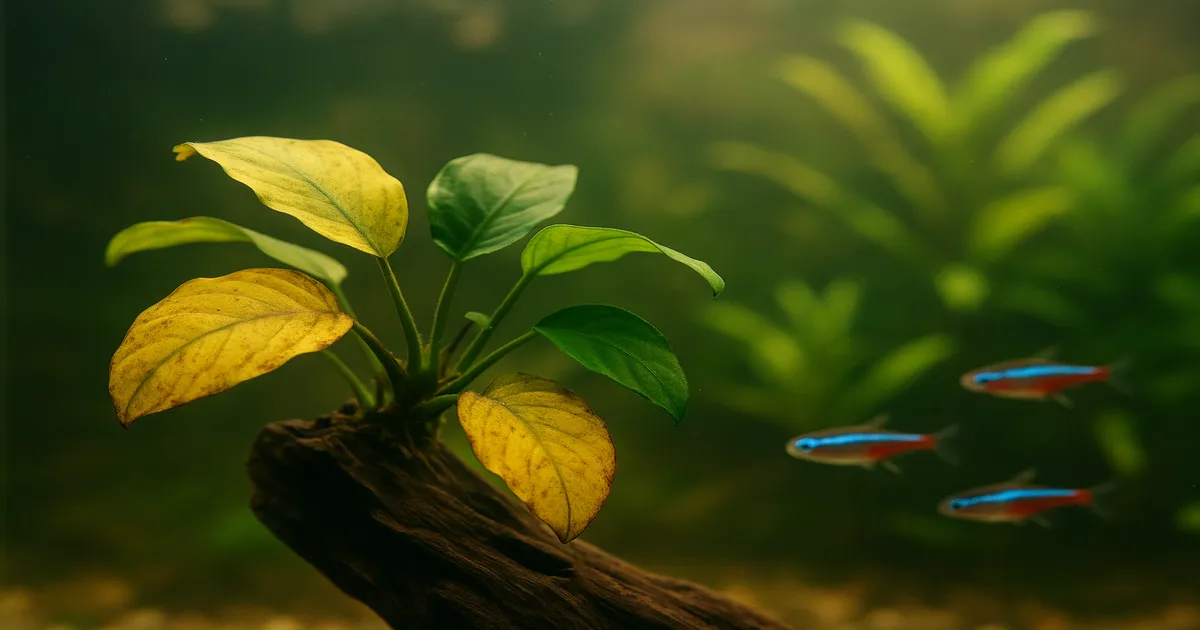
Iron, manganese, zinc, copper, boron, and molybdenum are consumed in much smaller quantities, but a deficiency in any one of them causes visible problems fast — typically interveinal chlorosis (yellowing between leaf veins), stunted growth, or leaf deformities. Seachem Flourish Comprehensive and Aquarium Co-Op Easy Green are popular choices that cover the full trace element spectrum.
One important detail: chelated iron is the most commonly deficient trace element in planted tanks, and the type of chelate matters. EDTA chelate stays available at pH 6.0–7.0, DTPA works up to pH 7.5, and EDDHA remains effective all the way up to pH 9.0. If your tank runs alkaline, EDDHA-based iron is the only form plants can actually use.
Root Tab Fertilizers
Root tabs are slow-release capsules pressed into the substrate near root-feeding plants. They aren’t redundant with liquid fertilizers — they deliver nutrients to a completely different part of the plant. Products like Seachem Flourish Tabs or API Root Tabs sit in the substrate and release nutrients gradually over two to three months.
Which Plants Benefit Most From Each Type
Heavy root feeders — rely heavily on root tabs:
- Echinodorus spp. (Amazon swords)
- Cryptocoryne spp. (crypts)
- Nymphaea spp. (tiger lotus, dwarf lily)
- Vallisneria spp.
Heavy column feeders — rely primarily on liquid fertilizers:
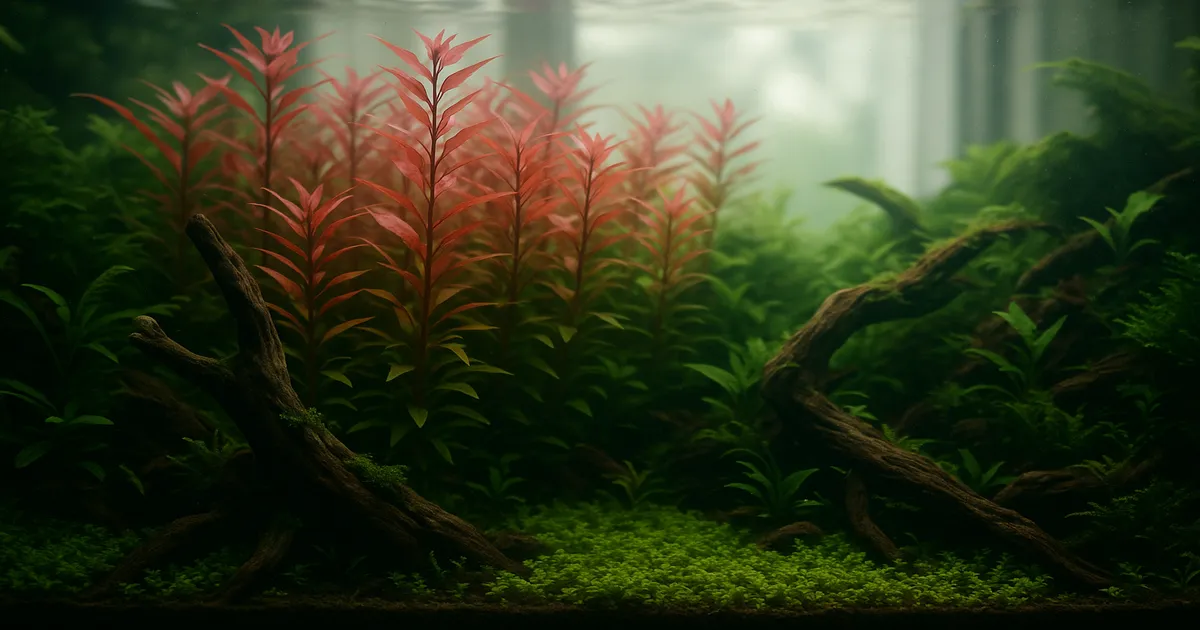
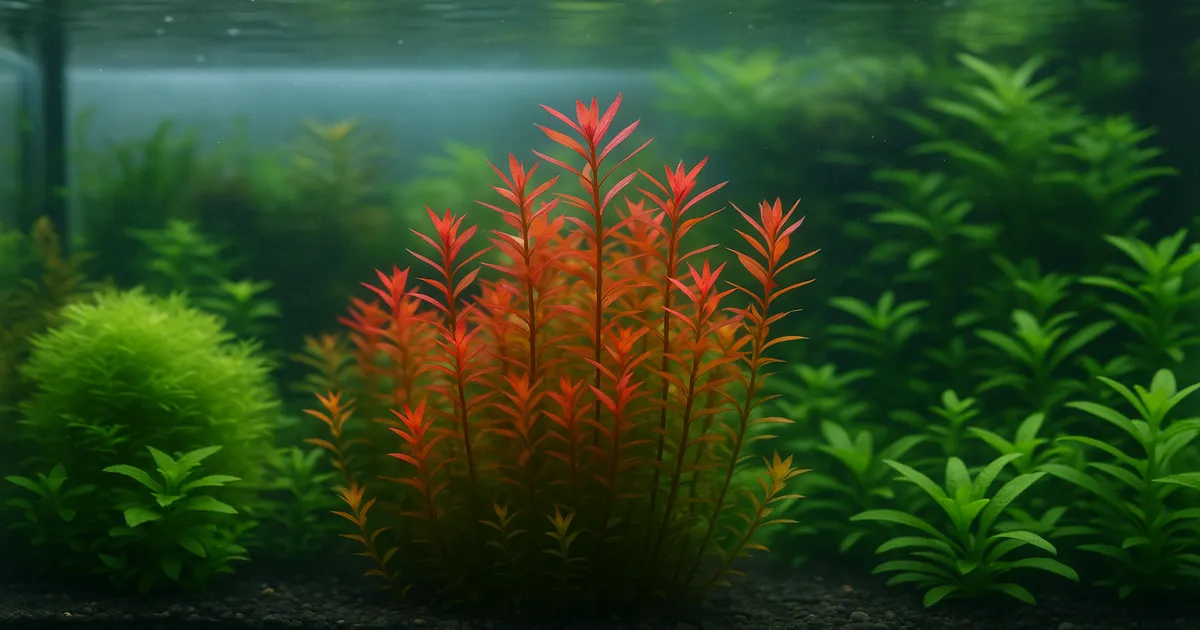
- Rotala spp., Ludwigia spp., and most fast-growing stem plants
- Mosses such as Java moss (Taxiphyllum barbieri)
- Floating plants (Salvinia, Pistia, duckweed)
Dual feeders — benefit from both:
- Sagittaria spp., Hygrophila spp., Bacopa spp.
In nature, aquatic plants pull nutrients from dissolved minerals in the water column and from organic-rich sediment below. Multi-fertilizer dosing simply replicates that reality inside a glass box.
Can I Use Three Kinds of Fertilizers at the Same Time Without Causing Problems?
The short answer is yes — but a few water chemistry factors determine how well those fertilizers actually work.
pH and Nutrient Availability
The sweet spot for planted tanks is pH 6.5–7.2. Within this range, most nutrients stay dissolved and available to plants. Above pH 7.5, iron and manganese begin precipitating out of solution, which means your micronutrient doses are largely wasted. CO₂ injection naturally drives pH down, which is one reason high-tech tanks absorb fertilizers so much more efficiently.
GH, KH, and Calcium/Magnesium
Target GH 4–8 dGH. Calcium and magnesium aren’t just fish-water numbers — they’re actual plant macronutrients. Very soft water (GH below 3 dGH) can cause deficiency symptoms even with perfect liquid fertilizer dosing. Seachem Equilibrium is a reliable fix for soft-water tanks. KH should sit at 3–8 dKH to stabilize pH and support the carbon cycle plants rely on for photosynthesis.
Nitrate and Phosphate Targets
- Nitrate (NO₃⁻): 10–30 ppm. Below 5 ppm, plants show nitrogen deficiency. Above 50 ppm, algae starts winning.
- Phosphate (PO₄³⁻): 0.5–2.0 ppm. Both too little and too much cause problems — low phosphate paradoxically encourages green spot algae.
CO₂ and Nutrient Uptake
CO₂ injection at 20–30 ppm dramatically increases how efficiently plants use every fertilizer you add. Without adequate CO₂, plants can’t process nutrients fast enough, and the excess feeds algae instead. If you’re running a non-CO₂ tank, reduce all liquid fertilizer doses by 50–75%. That’s not optional advice — it’s algae prevention.
How to Dose All Three Fertilizers at the Same Time
Liquid Macronutrient Schedule
- Medium-to-high-light tanks: Dose 2–3× per week
- Low-light tanks: 1× per week is usually sufficient
- Targets: NO₃ 10–30 ppm, PO₄ 0.5–2.0 ppm, K⁺ 5–20 ppm
Test weekly when you’re first dialing in a regimen. Adjust based on what you see — algae means back off; deficiency symptoms mean increase.
Liquid Micronutrient Schedule
Dose micros 1–2× per week, and try to dose them on different days than your macros. Phosphate in macro fertilizers can bind to iron and precipitate it out of solution before plants absorb it. Target iron at 0.1–0.5 ppm and verify with a dedicated iron test kit .
Root Tab Placement and Replacement
Replace root tabs every 2–3 months per location. Space them so each tab covers roughly a 4–6 inch radius around heavy root feeders. A large Amazon sword may need two or three tabs around its root zone; a single crypt typically needs one. The telltale sign that tabs are overdue: yellowing lower leaves on swords or crypts despite healthy water column nutrient levels. Place tabs 2–3 inches from the crown — not directly underneath it.
Dosing Methods at a Glance
| Method | How It Works | Best For |
|---|---|---|
| Estimative Index (EI) | Generous doses 3×/week; 50% weekly water change resets the slate | CO₂-injected high-tech tanks |
| PPS-Pro | Small daily doses targeting precise levels | Experienced hobbyists, low-waste approach |
| All-in-One | Single product covers macro + micro | Beginners, low-to-medium light tanks |
| Lean Dosing | Minimal nutrients, just above deficiency threshold | Low-light, non-CO₂ tanks |
Compatibility: Fish, Shrimp, and Algae
Are Liquid Fertilizers Safe for Fish?
At recommended doses, yes. Scaleless fish like loaches and certain catfish can be more sensitive to elevated trace minerals, so dose conservatively if your tank includes them. When in doubt, start at half the recommended dose and observe for a week before adjusting.
Copper Warning: Shrimp and Snails
This is the most critical safety issue in fertilizer use. Many micronutrient fertilizers contain trace copper, and Neocaridina and Caridina shrimp can be killed by copper concentrations as low as 0.01–0.02 ppm. If you keep cherry shrimp, crystal shrimp, or any other invertebrates, always verify the copper content of any fertilizer before adding it. Use invertebrate-safe formulas or dose at half the recommended rate. Seachem Flourish Comprehensive at half dose is a widely used approach in shrimp tanks.
Preventing Algae When Combining Fertilizers
Algae is the main risk when combining fertilizers, and it’s almost always a symptom of imbalance rather than excess. Black beard algae typically signals CO₂ fluctuations combined with elevated phosphate. Green spot algae often means phosphate is too low. Hair algae thrives when light is high and nutrients outpace plant uptake. The fix is almost always better balance — not less fertilizer.
Diagnosing Deficiencies in a Multi-Fertilizer Tank
Macronutrient Deficiency Symptoms
| Nutrient | Symptoms | Fix |
|---|---|---|
| Nitrogen (N) | Yellowing of older, lower leaves first; stunted growth | Increase liquid nitrogen dose; check nitrate is above 10 ppm |
| Phosphorus (P) | Dark green or purple-tinted leaves; poor root development | Dose phosphate supplement; target 0.5–2.0 ppm |
| Potassium (K) | Pinhole lesions in leaves; crispy or necrotic leaf edges | Increase potassium dosing; target 10–20 ppm |
Micronutrient Deficiency Symptoms
| Nutrient | Symptoms | Fix |
|---|---|---|
| Iron (Fe) | Interveinal chlorosis on new/young leaves — veins stay green, tissue yellows | Dose chelated iron; verify pH is below 7.5 |
| Manganese (Mn) | Similar to iron deficiency but on slightly older leaves | Dose trace element mix; lower pH if above 7.5 |
| Magnesium (Mg) | Interveinal chlorosis on older leaves | Add Epsom salt (1 tsp per 10 gallons) or a GH booster |
| Calcium (Ca) | Distorted, curled new growth; tip die-off | Raise GH with a calcium-containing GH booster |
Signs of Over-Fertilization
Over-fertilization usually shows up as an algae bloom before it causes direct plant damage. Cloudy water, sudden algae spikes, or stressed fish (rapid gill movement, surface gasping) after dosing are red flags. Do a 50% water change immediately, skip dosing for a week, and restart at half doses.
Frequently Asked Questions
Can I use three kinds of fertilizers at the same time without harming my fish?
Yes. At recommended doses, macronutrient and micronutrient liquid fertilizers are safe for most fish. Scaleless species like loaches can be more sensitive to trace minerals, so start at half the recommended dose if your tank includes them. Root tabs pose no direct risk to fish at all.
Can you use root tabs and liquid fertilizers at the same time?
Absolutely — this is the recommended approach for most planted tanks. Root tabs feed plants through their root systems, while liquid fertilizers deliver nutrients through the water column. They target different uptake pathways and work together rather than competing.
Will combining fertilizers cause an algae outbreak?
Only if the tank is out of balance. Excess nutrients that plants can’t absorb fast enough become food for algae. The most common culprits are CO₂ instability and excess light — not the fertilizers themselves. Keep CO₂ stable, limit photoperiods to 8–10 hours, and match fertilizer doses to your light level and plant mass.
Can you use an all-in-one fertilizer instead of separate macro and micro products?
Yes, and for beginners or low-to-medium light tanks, an all-in-one like Aquarium Co-Op Easy Green is a perfectly valid approach. The trade-off is flexibility — if your plants show a specific deficiency, it’s harder to address with a fixed-ratio product. High-tech, high-light tanks often benefit from separate macro and micro products so you can dial in each independently.
How do I know when to adjust my fertilizer routine?
If plants look healthy and algae is minimal, don’t change anything. If you see deficiency symptoms, increase the relevant fertilizer type incrementally — not all three at once. If algae is gaining ground, check CO₂ first, then lighting duration, then nutrient levels. Most problems in multi-fertilizer tanks trace back to CO₂ or light, not the fertilizers themselves.