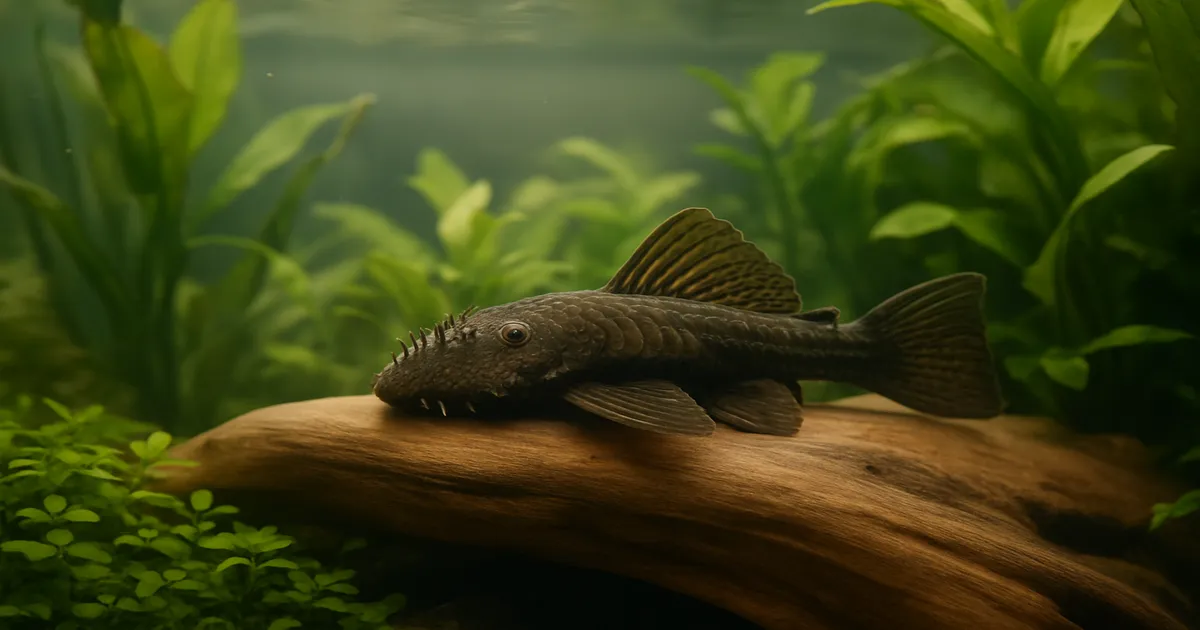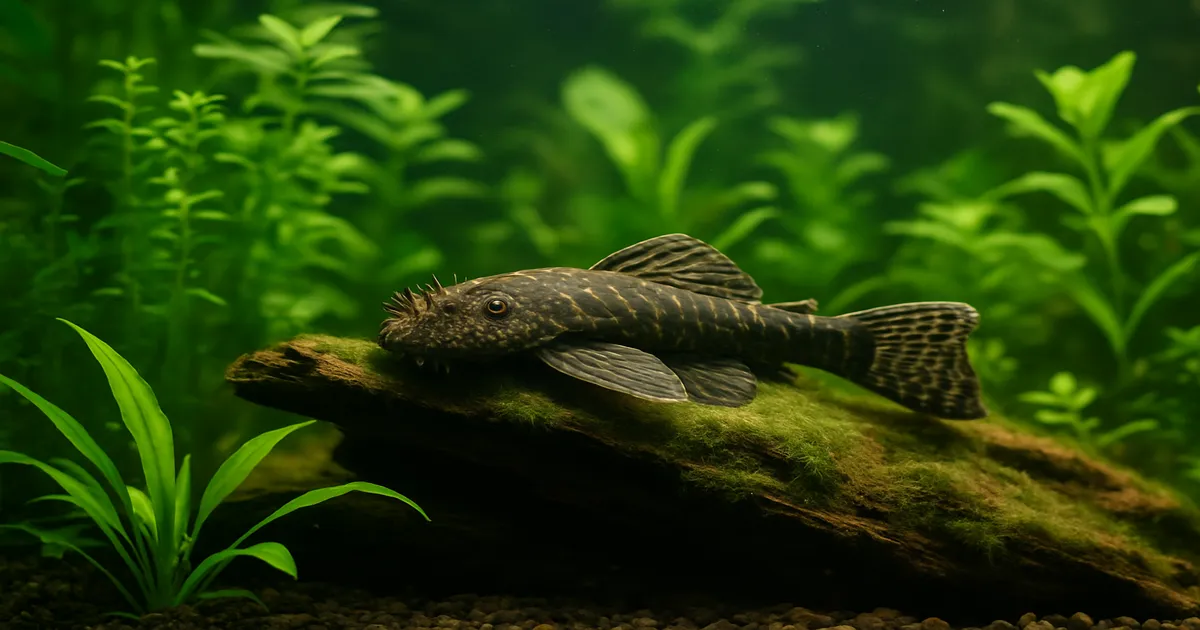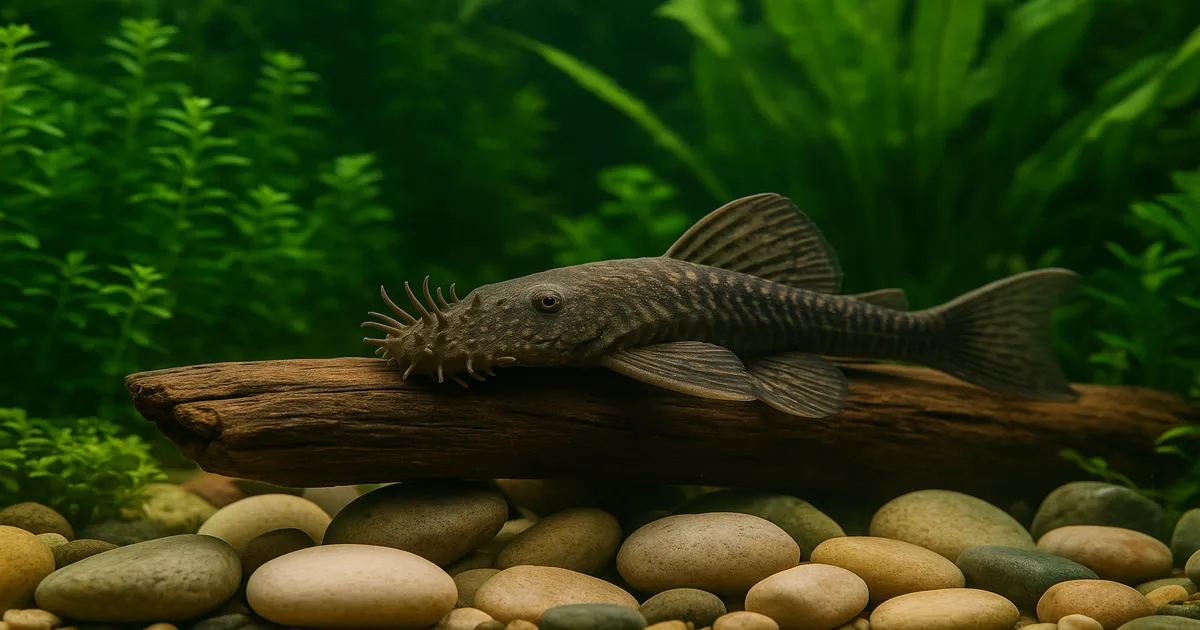
Quick Answer: Yes, you absolutely need to feed your bristlenose pleco. Tank algae alone is nutritionally incomplete and rarely sufficient in volume — without regular feeding, your pleco will slowly starve regardless of how green your glass looks. A varied diet of algae wafers, fresh vegetables, driftwood access, and occasional protein is essential for long-term health.
If you’ve ever asked do I need to feed my bristlenose pleco, the answer is an unqualified yes — and getting it right matters more than almost anything else with this species. The idea that plecos are self-sufficient algae vacuums is one of the most persistent myths in the hobby, and it causes real harm. Here’s what bristlenose plecos actually need to eat, how often to feed them, and what happens when they don’t get enough.
Do You Need to Feed a Bristlenose Pleco? Yes — Always
Your bristlenose pleco cannot survive on tank algae alone. Even in a visibly algae-covered aquarium, the available food is almost always too low in calories, protein, and key vitamins to sustain a healthy fish long-term. Active, intentional feeding isn’t optional — it’s the foundation of keeping this species alive.
Why the ‘They Just Eat Algae’ Myth Is Dangerous
This misconception probably comes from watching a new pleco enthusiastically scrub every surface in the tank. That behaviour looks like a fish doing its job. In reality, it can be a fish desperately searching for enough food to survive. Plecos sold as “algae eaters” are often underfed from day one, and many die within a year or two — not from disease, but from slow malnutrition.
What Bristlenose Plecos Eat in the Wild
Aufwuchs Grazers: Biofilm, Algae, and Microorganisms
In their native South American rivers — the Amazon, the Orinoco, and their countless tributaries — Ancistrus species spend most of their time grazing on aufwuchs: the complex layer of algae, biofilm, diatoms, and microorganisms that coats rocks, driftwood, and submerged surfaces. This isn’t just algae. It’s a rich, living community that provides a far more complete nutritional profile than the thin green film on your aquarium glass.
Wood Rasping: A Genuine Dietary Need
When a bristlenose pleco rasps at driftwood, it isn’t just keeping busy — it’s eating. Wood provides cellulose, which aids gut motility, and the surface of submerged wood hosts microorganisms the pleco actively consumes. A tank without driftwood isn’t missing a decoration; it’s missing a core part of this fish’s diet.
Opportunistic Omnivores
Wild bristlenose plecos aren’t strictly herbivores. During wet seasons, when invertebrate populations spike, they opportunistically consume insect larvae, small worms, and other protein-rich prey. In captivity, replicating that occasional protein boost makes a measurable difference — especially for juveniles and breeding females.
Why Tank Algae Alone Won’t Feed a Bristlenose Pleco
A typical home aquarium simply doesn’t generate enough algae biomass to feed a 4-inch catfish day after day. A pleco can strip a tank’s entire visible algae supply within days. After that, there’s nothing left.
Even where algae is plentiful, it’s nutritionally one-dimensional. It doesn’t provide adequate protein for growth and tissue repair, sufficient vitamin C for immune function, or the mineral balance a pleco needs over a 10–15 year lifespan. Relying on it as the primary food source is like expecting a person to thrive on lettuce alone.
There’s also an irony worth noting: the better you maintain your tank, the less algae it produces. Regular water changes, good filtration, and balanced lighting keep nutrients low — great for water quality, but it means your pleco has even less to graze on in a well-kept setup.
Warning Signs Your Pleco May Be Starving
A bristlenose that’s constantly grazing every surface, never resting, or starting to nibble on live plants isn’t necessarily a happy, busy fish. It may be in the early stages of starvation. Watch for:
- Sunken or concave belly — the clearest warning sign
- Visible spine or pelvic bones — indicates serious muscle wasting
- Pale, washed-out colouration
- Lethargy — a pleco that stops grazing and just sits
- Nibbling on live plants — a last resort when nothing else is available
- Increased aggression toward tank mates over food
What to Feed Your Bristlenose Pleco
Sinking Algae Wafers and Pellets: The Daily Staple
Algae wafers and sinking pleco pellets should form the backbone of your bristlenose’s diet. Look for products with high vegetable content and roughly 30–40% protein — not carnivore formulas, but not pure plant matter either. Good options include Hikari Algae Wafers, Omega One Veggie Rounds, and New Life Spectrum Algaemax. Drop one wafer in at lights-out so your nocturnal fish finds it fresh.
Fresh Vegetables
Fresh vegetables are excellent, inexpensive, and most plecos take to them quickly. Here are the best options and how to prepare them:
| Vegetable | Preparation |
|---|---|
| Zucchini / Courgette | Raw or blanched 30–60 seconds; most universally accepted |
| Cucumber | Raw or blanched; high water content |
| Peas (shelled) | Blanched, skin removed; good for digestion |
| Sweet Potato | Blanched until soft; vitamin-rich |
| Spinach / Kale | Blanched; feed in moderation due to oxalates |
| Romaine Lettuce | Raw; attach with a veggie clip |
| Broccoli | Blanched; good vitamin C source |
| Butternut Squash | Blanched until tender |
Blanching: Drop the vegetable in boiling water for 30–60 seconds, then cool before adding to the tank. This softens cell walls for easier rasping without destroying nutrients. Remove anything uneaten within 24 hours — vegetables foul water fast.
Driftwood: Non-Negotiable
Every bristlenose pleco tank needs driftwood. Bogwood and Malaysian driftwood are both ideal. The pleco will rasp it continuously, extracting cellulose and surface microorganisms. Without it, gut motility suffers and long-term health declines. If you make only one change after reading this, add driftwood.
Protein Foods: One to Two Times Per Week
Bristlenose plecos need more protein than most people realise, particularly when young, breeding, or recovering from illness. Offer protein-rich foods as a supplement a couple of times a week:
- Frozen bloodworms — highly palatable; great treat
- Frozen brine shrimp — solid protein source
- Frozen daphnia — digestive benefits alongside protein
- Earthworms (live or frozen) — among the most nutritious options available
- Tubifex worms — accepted, but use sparingly; live forms carry disease risk
Don’t make high-protein foods the staple. Excessive protein long-term can stress the kidneys and liver. Think of them as the weekly treat that rounds out an otherwise plant-heavy diet.
Repashy Gel Foods
Repashy gel foods — particularly Soilent Green and Bottom Scratcher — are arguably the closest thing in the hobby to replicating natural aufwuchs. Mixed with hot water and set into a firm gel, they’re placed directly in the tank where the pleco can rasp at them naturally. Well worth keeping on hand.
Foods to Avoid
- Flake food — floats at the surface and is largely inaccessible
- High-protein carnivore diets as staples — occasional protein is healthy; making it the main diet is not
- Anything copper-containing — copper is toxic to plecos even at low doses
- Uneaten food left to decompose — remove anything uneaten after 24 hours
How Often to Feed a Bristlenose Pleco
Feeding Frequency by Life Stage
| Life Stage | Frequency |
|---|---|
| Juveniles (under 2 inches) | Daily; 1–2 small feedings per day |
| Sub-adults (2–4 inches) | Once daily or every other day |
| Adults (4+ inches) | Every 1–2 days; vegetables available continuously |
| Breeding females | Increase protein to 2–3× per week during spawning |
Juveniles grow fast and need consistent nutrition to reach their full potential. Adults are more forgiving, but “every other day” doesn’t mean “whenever I remember.”
Feed at Lights-Out
Bristlenose plecos are primarily nocturnal. Food offered during the day often sits untouched — or gets eaten by faster daytime fish before your pleco finds it. Drop the wafer in as the tank lights go off and you’ll see far better uptake.
Tank Setup, Water Parameters, and Tank Mates
Tank Size and Hardscape
The oft-repeated “10-gallon minimum” for bristlenose plecos is misleading. A single adult needs at least 25 gallons (95 litres), with a longer footprint preferred over height — more bottom territory means more natural grazing area. For a pair or community setup, 40+ gallons gives everyone room to coexist.
Beyond driftwood, caves are non-negotiable — for the pleco’s wellbeing and for breeding. PVC pipes, ceramic caves, and coconut shells all work well. Males are territorial and will fight over prime cave real estate, so provide more caves than you have plecos.
Fine to medium sand or smooth gravel protects the pleco’s soft underbelly. Sharp substrates cause abrasion injuries over time. Keep lighting low to moderate — bristlenose plecos are photophobic and will hide under bright lights, limiting their feeding time. Floating plants like frogbit diffuse overhead light effectively.
Filtration
A well-fed bristlenose produces a significant amount of waste — that’s the trade-off for feeding them properly. Use a canister or HOB filter rated for at least 2–3× your tank volume per hour. Surface agitation is essential for oxygenation. Don’t let good feeding habits be undermined by inadequate filtration.
Ideal Water Parameters
| Parameter | Optimal Range |
|---|---|
| pH | 6.5–7.4 |
| Temperature | 72–79°F (22–26°C) |
| GH | 6–10 dGH |
| Ammonia | 0 ppm |
| Nitrite | 0 ppm |
| Nitrate | Under 20 ppm |
Bristlenose plecos are among the most parameter-tolerant plecos available, which makes them genuinely beginner-friendly. That said, nitrate above 40 ppm causes long-term immune suppression. Weekly 25–30% water changes are the simplest way to keep it in check. A reliable liquid test kit removes the guesswork.
Compatible Tank Mates
Most peaceful community fish work well alongside bristlenose plecos. Good choices include tetras, rasboras, corydoras, livebearers, dwarf cichlids (apistogramma, German blue ram), gouramis, and adult amano or cherry shrimp.
Avoid: large aggressive cichlids (Oscars, Jack Dempseys), fin nippers (tiger barbs, serpae tetras — especially dangerous for longfin variants), goldfish (incompatible temperatures), other large plecos, and multiple male bristlenose in small tanks. Males fight seriously over caves and territory.
Signs of Malnutrition and Common Health Problems
Spotting an Underfed Bristlenose Pleco
The clearest sign is a sunken, concave belly. Healthy plecos have a subtly rounded abdomen. Visible spinal ridges, pale colouration, lethargy, frantic grazing, plant nibbling, and aggression toward tank mates are all red flags. If you’re seeing any of these, increase feeding frequency and variety immediately.
Hole-in-the-Head Disease
Hole-in-the-Head (HITH) appears as pitting or erosion around the head and lateral line, often with mucus trailing from the pits. It’s caused by Hexamita protozoa, but nutritional deficiency — particularly vitamin C and mineral shortfalls — and high nitrate levels are major contributing factors. Treatment involves metronidazole, dietary improvement, and more frequent water changes. It’s largely preventable with a varied diet and clean water.
Ich and Fin Rot
Ich (Ichthyophthirius multifiliis) shows as white salt-grain spots. Treat by gradually raising temperature to 82–86°F (28–30°C). Never use copper-based ich treatments with plecos — copper is toxic to them even at doses safe for other fish. Use a copper-free ich medication instead.
Fin rot is bacterial and almost always linked to poor water quality — ammonia spikes, high nitrates, or physical damage. Improve water conditions first; antibacterial treatment follows if needed.
The majority of health problems in bristlenose plecos trace back to two root causes: poor diet and poor water quality. Feed well, change water regularly, and you’ll rarely need medication.
Frequently Asked Questions: Feeding Bristlenose Plecos
Do I need to feed my bristlenose pleco if my tank has algae?
Yes. Tank algae is a useful supplement, but it’s never sufficient on its own. It lacks adequate protein, vitamin C, and minerals, and most tanks simply don’t produce enough volume to sustain a pleco long-term. Treat algae as a bonus, not a meal plan.
How long can a bristlenose pleco go without food?
A healthy adult can survive roughly 10–14 days in a tank with some biofilm and algae to graze on. Surviving isn’t the same as thriving, though — even a few days without food causes stress and begins depleting reserves. Juveniles are far less resilient and should never go more than a day or two without feeding.
Do bristlenose plecos need driftwood to survive?
Yes — driftwood is genuinely essential, not just a nice-to-have. Bristlenose plecos rasp wood as a dietary and digestive requirement. The cellulose aids gut motility and the wood surface hosts microorganisms they consume. A pleco kept long-term without driftwood is more likely to suffer digestive issues and nutritional deficiencies.
How do I know if my bristlenose pleco is eating enough?
A well-fed bristlenose has a gently rounded belly, moves purposefully around the tank, and grazes steadily without appearing frantic. If you can see the outline of the spine or the belly looks pinched and hollow, feed more. Check that food is being offered at lights-out so faster daytime fish aren’t getting to it first.
Can I overfeed a bristlenose pleco?
It’s possible, but the bigger risk is overfeeding the tank rather than the fish. Uneaten food decays quickly and spikes ammonia. Offer only what your pleco can consume in a few hours, remove leftovers within 24 hours, and monitor nitrate levels with regular water tests. A slightly hungry pleco is far healthier than one living in fouled water.