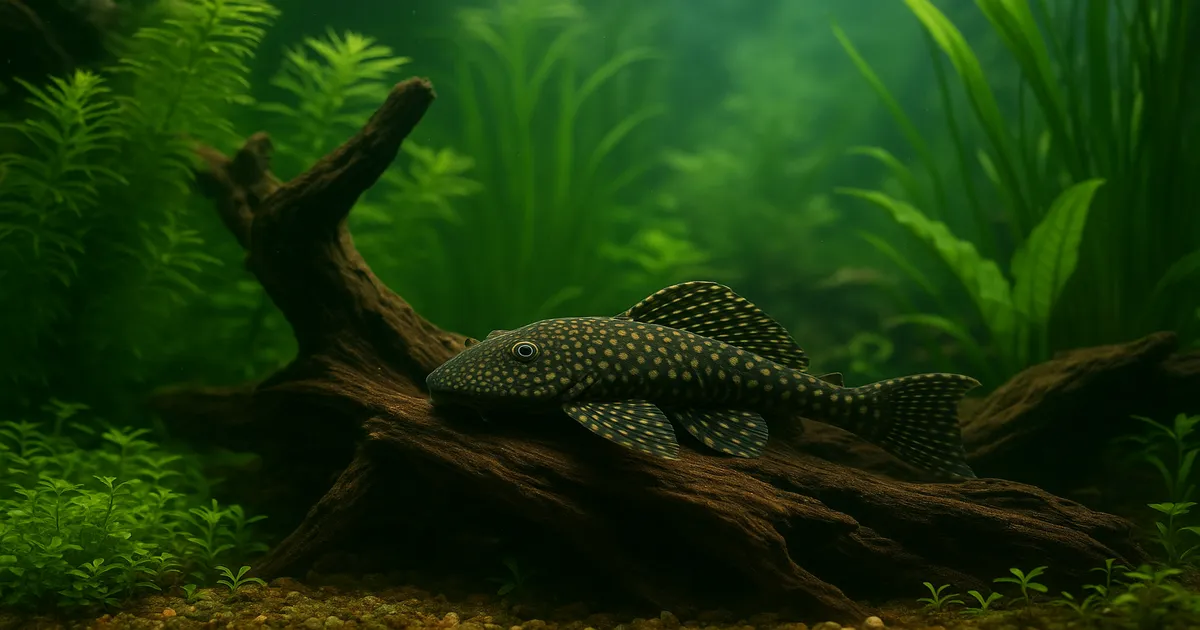
Quick Answer: The common plecostomus is a hardy, long-lived armored catfish that reaches 12–18 inches and lives 10–15 years in captivity. Adults need a minimum 75-gallon tank — ideally 100+ gallons — with driftwood, caves, and robust filtration. Feed a varied plant-based diet of sinking algae wafers and blanched vegetables, supplemented with occasional protein.
If you’re reading this plecostomus care guide, here’s the most important thing to know upfront: that cute 2-inch fish at the pet store is going to grow. Fast. The common pleco is one of the most widely sold and widely misunderstood fish in the hobby. Most problems come down to underestimating its adult size and long-term needs.
Plecostomus Care at a Glance
| Parameter | Value |
|---|---|
| Scientific Name | Pterygoplichthys spp. (commonly mislabeled Hypostomus plecostomus) |
| Adult Size | 12–18 inches (30–45 cm) |
| Minimum Tank Size | 75 gallons (100+ gallons recommended) |
| Lifespan | 10–15 years in captivity |
| Temperature | 72–82°F (22–28°C) |
| pH | 6.5–7.5 |
| GH | 4–15 dGH |
| KH | 3–10 dKH |
| Ammonia / Nitrite | 0 ppm |
| Nitrate | Below 20 ppm |
| Diet | Algae wafers, blanched vegetables, driftwood, occasional protein |
| Temperament | Peaceful toward dissimilar species; territorial with other bottom-dwellers |
| Difficulty | Beginner–Intermediate |
Is a Pleco Right for Your Tank?
The most common mistake is buying a juvenile pleco for a 20- or 30-gallon tank with no plan for when it hits a foot long — which typically happens within two years. If you can commit to a 100-gallon setup and a fish that may outlive your car, a pleco is an excellent, personable addition to a large community tank.
Not ready for that commitment? Consider the bristlenose pleco (Ancistrus spp.) instead. They cap out around 4–5 inches and are far better suited to tanks under 40 gallons.
Species Overview and Natural Habitat
Classification and Trade Name Confusion
“Plecostomus” technically refers to Hypostomus plecostomus, first described by Linnaeus in 1758. In practice, most fish sold under that name are Pterygoplichthys pardalis (the Amazon sailfin pleco) or P. multiradiatus — different species, though care requirements overlap significantly.
All belong to the family Loricariidae, the armored catfishes, named for the bony scutes covering their bodies. It’s a massive family with hundreds of species; the common pleco is simply the most commercially ubiquitous.
Native Range and Wild Habitat
Common plecos originate from tropical South America — coastal river drainages in northeastern Brazil, Guyana, and Trinidad. In the wild they inhabit warm, slow-to-moderately flowing rivers and floodplains loaded with submerged wood, leaf litter, and rocky surfaces. They spend most of their time clinging to driftwood and rocks, rasping algae and biofilm.
Physical Characteristics
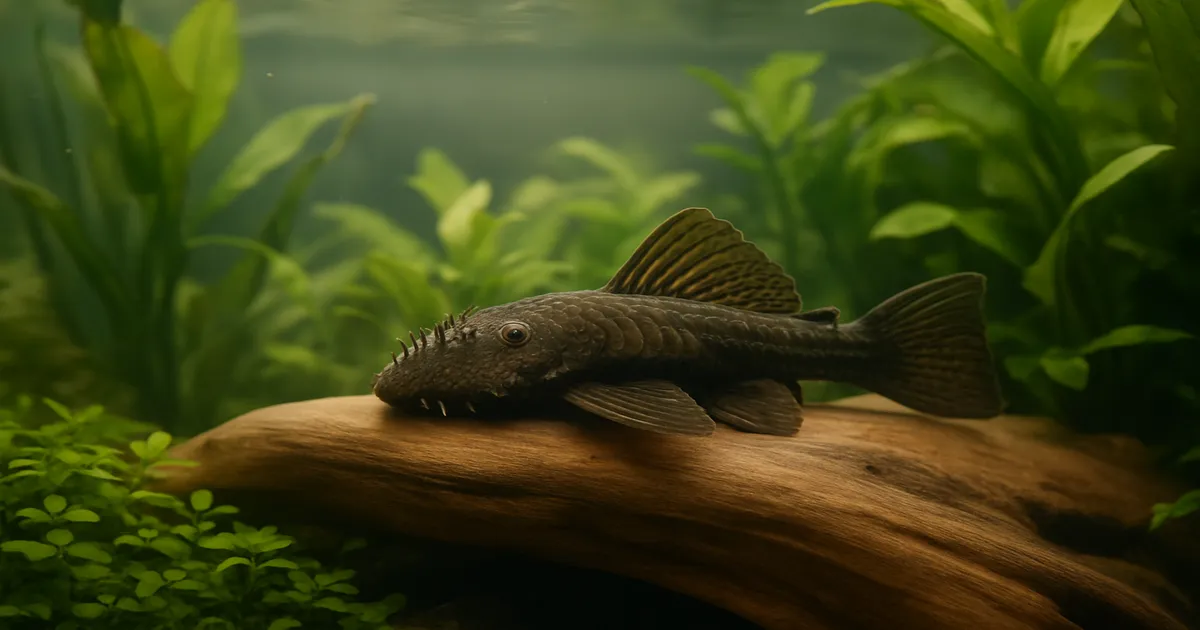
The body is dorsoventrally flattened — wide and pancake-like from above — with a large sucker mouth designed for gripping and rasping. Eyes sit high on the head for good upward vision. The sail-like dorsal fin is one of the most recognizable features, especially in Pterygoplichthys species. Hard bony scutes cover the entire upper body, making plecos remarkably resistant to physical damage.
Invasive Species Warning
Pterygoplichthys species have established invasive populations in Florida, Texas, Hawaii, and numerous tropical countries. They’re hardy, prolific, and destructive to native ecosystems. Never release aquarium fish into the wild. If you can no longer keep your pleco, rehome it through a local fish club or aquarium store.
Water Parameters
Temperature, pH, and Hardness
Plecos thrive between 72–82°F (22–28°C). Sustained temperatures below 65°F (18°C) or above 86°F (30°C) suppress immune function and cause serious stress — which also rules out keeping them with goldfish. A reliable heater is essential; a 300-watt model works well for tanks in the 75–100 gallon range.
Target pH 6.5–7.5. Stability matters more than hitting an exact number. General hardness (GH) of 4–15 dGH and carbonate hardness (KH) of 3–10 dKH are appropriate — adequate KH buffers against pH swings, which are more stressful than slightly imperfect values.
Ammonia, Nitrite, and Nitrate
Ammonia and nitrite must be 0 ppm at all times. Plecos are heavy waste producers, and inadequate filtration is a primary cause of ammonia spikes and disease. Keep nitrates below 20 ppm with 25–30% weekly water changes. A reliable liquid test kit takes the guesswork out of monitoring.
Oxygen and Flow
If your pleco repeatedly gulps air at the surface, that’s a stress signal — it indicates dangerously low dissolved oxygen, not normal behavior. Good surface agitation from your filter outlet or a powerhead is usually sufficient. Moderate flow throughout the tank also prevents stagnant dead zones where waste accumulates.
Plecostomus Tank Setup
Tank Size
Adult common plecos need 75 gallons at minimum; 100+ gallons is strongly recommended. A juvenile can start in a 40-gallon breeder, but plan your upgrade early — growth happens faster than most people expect.
Substrate
Sand or fine gravel (2–3 mm) is ideal. Plecos rest on the bottom frequently, and smooth substrate protects their ventral surface from abrasion. Coarse gravel traps waste directly under the fish, making water quality harder to manage. Dark substrates are a bonus — they help plecos feel secure and often bring out better coloration.
Driftwood, Caves, and Hides
Driftwood is a dietary and behavioral necessity, not just decoration. Plecos rasp wood to obtain fiber that supports digestion, and a tank without it is genuinely incomplete. Malaysian driftwood and spider wood are both excellent choices.
Caves are equally important. Plecos are nocturnal and need secure daytime retreats. PVC pipe sections, ceramic caves, and coconut shell hides all work well — provide at least one cave per pleco, large enough for the fish to fully enter and turn around.
Plants and Decorations
Stick to hardy species: Anubias, Java fern, and Vallisneria hold up well against occasional uprooting or nibbling. Attaching plants to hardscape rather than leaving them rooted in substrate reduces disturbance. Avoid sharp decorations that can tear fins or abrade the body.
Filtration
Robust filtration is non-negotiable. A canister filter rated for at least 2–3× your tank volume per hour is the baseline — a 100-gallon tank needs a minimum of 200–300 GPH of filtration capacity, though more is better with a fish this messy. A supplemental sponge filter adds biological filtration and surface agitation without creating strong currents. Vacuum the substrate weekly; plecos produce a lot of waste that settles and festers.
Lighting
Low to moderate lighting suits plecos well. They’re primarily nocturnal and will hide under bright, unbroken light. An 8–10 hour photoperiod with shaded retreats (driftwood overhangs, caves) gives them security while still supporting some algae growth on the glass — a welcome natural snack.
Feeding Your Plecostomus
Natural Diet
In the wild, plecos are aufwuchs feeders — they rasp algae, biofilm, and microorganisms from submerged wood and rocks. They also consume detritus, plant matter, and occasional invertebrates. Wood fiber (xylophagy) is a genuine dietary component, not just a chewing habit.
Staple Foods
The foundation of any captive pleco diet is sinking algae wafers or pellets with spirulina or kelp listed as primary ingredients. Feed daily, after lights out when plecos become active. Tank algae alone will never be enough — even in a heavily planted, well-lit tank, a pleco will exhaust natural algae growth quickly.
Vegetables and Fresh Foods
Blanched vegetables are one of the best things you can offer, and most plecos take to them enthusiastically:
- Zucchini / courgette — the go-to choice; most plecos love it
- Cucumber — high water content, good for hydration
- Spinach and kale — nutrient-dense leafy greens
- Sweet potato — blanch thoroughly until soft
- Green beans and romaine lettuce — both well-received
Attach vegetables with a veggie clip or weigh them down with a stainless steel fork. Remove anything uneaten within 24 hours to prevent water fouling. Repashy gel foods like Soilent Green and Bottom Scratcher are a premium option worth trying — they sink, stay intact for hours, and have excellent nutritional profiles for herbivorous catfish.
Protein Supplements
Frozen or freeze-dried bloodworms, brine shrimp, and daphnia make good supplements, offered 1–2 times per week. Juveniles benefit from slightly more frequent protein to support rapid growth.
Foods to Avoid
- Meat-heavy staple diets — a diet too high in animal protein over time can cause fatty liver disease
- Floating pellets or flakes — plecos can’t easily feed at the surface and will largely ignore them
- Any copper-containing products — see the disease section below
Tank Mates and Compatibility
General Temperament
Plecos are peaceful toward fish that don’t look or behave like them. Friction arises with other bottom-dwellers — especially other large plecos, which will fight over territory, caves, and feeding spots. Two adult common plecos in the same tank is generally asking for trouble unless you’re running 150+ gallons with clearly defined separate territories.
Good Tank Mates
- Tetras, rasboras, danios, and barbs — active mid-water fish that stay out of the pleco’s zone
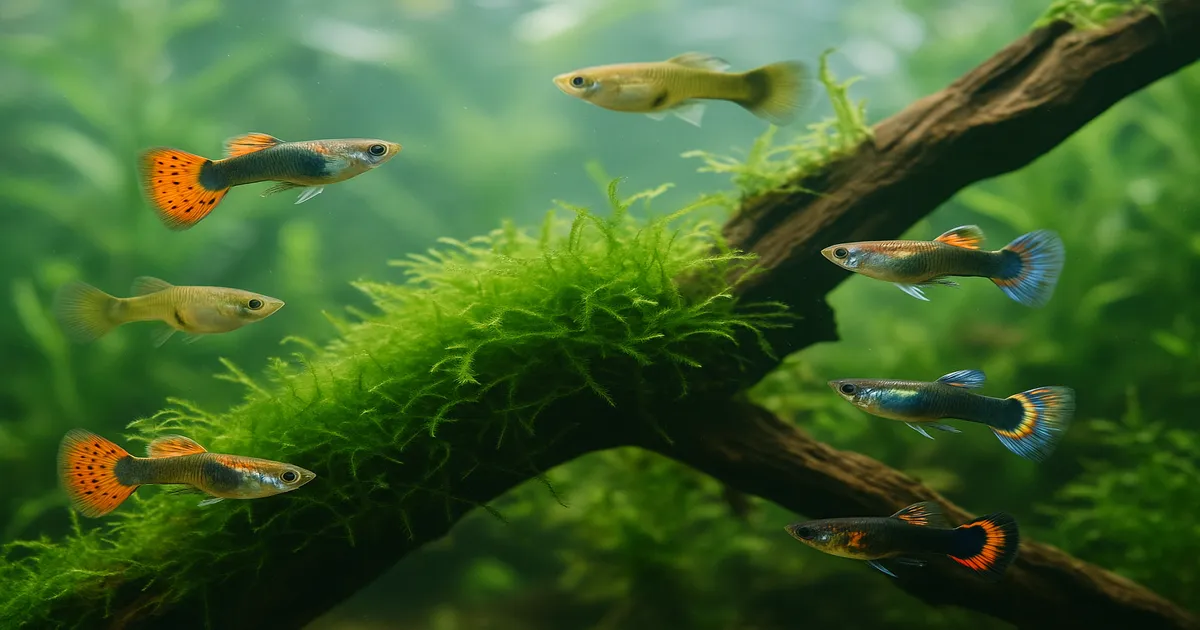
- Livebearers (mollies, platies, swordtails) — excellent community companions
- Gouramis and angelfish in adequately sized tanks
- Medium-to-large cichlids like Oscars and severums — the pleco’s armor provides good protection
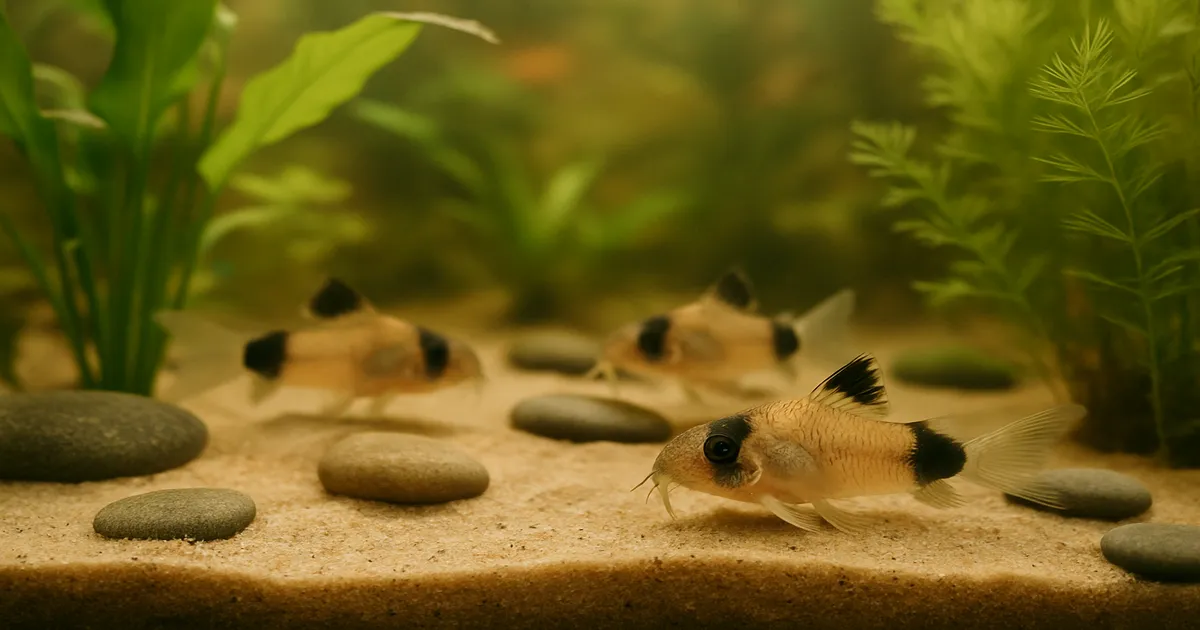
- Corydoras catfish — generally compatible, occupying slightly different microhabitats
Fish to Avoid
- Other large plecos unless the tank is very large with multiple defined territories
- Discus and slow-moving fish — plecos may rasp their slime coat, especially when underfed
- Goldfish — incompatible on both temperature and behavior grounds; goldfish prefer 65–72°F (18–22°C)
- Aggressive fin-nippers that will target the pleco’s large dorsal fin
The slime coat rasping behavior is most common when a pleco is underfed or lacks adequate biofilm and driftwood. Keeping them well-fed is the best prevention.
Common Diseases and Health Issues
Ich (White Spot Disease)
Ich presents as small white salt-grain spots on fins and body, often with flashing and lethargy. Gradually raise the temperature to 82–86°F (28–30°C) to accelerate the parasite’s life cycle, and treat with a copper-free ich medication. (Ich-X)
⚠️ Copper Warning: Many standard ich treatments contain copper. Loricariids — including all plecos — are extremely sensitive to copper and can die from treatments that are safe for scaled fish. Always verify any medication is copper-free before adding it to a pleco tank.
Fin Rot
Ragged, disintegrating fin edges are the hallmark of fin rot, and poor water quality is almost always the cause. Do a large water change and check your parameters first, then treat with an antibacterial medication if the rot is progressing. Catching it early makes a significant difference. (Seachem KanaPlex)
Hole-in-the-Head Disease (HITH)
HITH causes pitting lesions along the head and lateral line, often with appetite loss and pale coloration. It’s linked to chronically elevated nitrates, poor diet, and stress. Treatment involves metronidazole, large water changes, and improved diet quality — addressing nitrates is as important as the medication itself. (Seachem MetroPlex)
Dropsy
Raised scales (pinecone appearance) and bloating indicate systemic bacterial infection and organ failure. Once a fish reaches the pinecone stage, the prognosis is poor. Epsom salt baths can reduce fluid retention and kanamycin may help if caught very early, but prevention through pristine water quality is the only reliable strategy.
Fungal and Bacterial Infections
Cotton-like white or gray growths signal fungal infection; red patches or ulcers on the ventral surface suggest bacterial infection (sometimes called red spot disease). Both are commonly secondary to rough substrate or poor water quality. Smooth substrate, a clean tank bottom, and prompt treatment resolve most cases.
Preventive Care
Quarantine all new fish for 4–6 weeks before introducing them to your main tank. This single practice prevents the majority of disease introductions. Beyond that: stable parameters, weekly water changes, and a varied diet are your best tools.
Breeding Plecostomus
Difficulty and Realistic Expectations
Breeding common plecos in a home aquarium is moderate to difficult. Commercial breeding is done in large outdoor tropical ponds — that context tells you something about the scale required. It does happen in home tanks, but don’t expect it from a standard 75-gallon setup.
Sexing Plecos
Sexing is genuinely tricky, especially in juveniles. Males develop odontodes — fine, hair-like bristles — on their pectoral fin spines and body edges, most visible during breeding season. Males also tend to have a slightly broader, flatter head. Females appear rounder in the abdomen when gravid.
Breeding Setup and Spawning
You’ll need a 150+ gallon tank or an outdoor pond. Raise the temperature slightly to 78–82°F (26–28°C) and perform frequent, large water changes to simulate the seasonal flood cycles that trigger spawning in the wild. Provide purpose-made breeding caves — clay or PVC tubes sized so the male can fully enter and maneuver — as plecos are obligate cave spawners.
The male claims a cave and defends it aggressively, then coaxes a female to spawn inside. After spawning, the female’s role ends. The male fans and guards the egg clutch — typically 100–300 large, orange-yellow adhesive eggs — for 4–10 days until hatching. Don’t disturb the cave during this period.
Raising Fry
Fry are relatively large and robust at hatching. They sustain themselves on their yolk sac for the first few days, then transition to powdered spirulina, finely crushed algae wafers, and blanched zucchini. Use a sponge filter in the grow-out tank to avoid sucking up fry. Remove the male once the fry are free-swimming to prevent accidental predation.
| Parameter | Recommendation |
|---|---|
| Minimum tank size | 150+ gallons (or outdoor pond) |
| Temperature | 78–82°F (26–28°C) |
| pH | 6.5–7.2 |
| Spawning trigger | Large water changes + cave provision |
| Spawning site | Clay or PVC cave |
| Clutch size | 100–300 eggs |
| Incubation | 4–10 days |
| Difficulty | Moderate–Difficult |
Plecostomus Care Guide: Frequently Asked Questions
How big do plecostomus get in a fish tank?
Common plecos typically reach 12–18 inches (30–45 cm) in a well-maintained aquarium. Wild specimens can exceed 24 inches, but that’s uncommon in captivity. Juveniles grow quickly — expect 6–8 inches within the first year under good conditions.
How long do plecostomus live?
With proper care, common plecos live 10–15 years in captivity. Some well-kept individuals reach 20 years. Lifespan is closely tied to water quality and tank size — cramped conditions and chronic poor water quality shorten it significantly.
Do plecostomus really clean the tank?
Partially. Plecos will graze algae from glass and hardscape, which helps with cosmetic cleanliness. But they’re also heavy waste producers, so they add more to your bioload than they remove. They are not a substitute for filtration, water changes, or a proper cleaning routine.
Can a plecostomus live in a 20-gallon tank?
Not long-term. A juvenile can be housed temporarily in a 20-gallon, but common plecos grow to 12–18 inches and need a minimum of 75 gallons as adults. Keeping one permanently in a small tank leads to stunted growth, chronic stress, and shortened lifespan. If your tank is under 40 gallons, a bristlenose pleco (Ancistrus spp.) is a far better fit.
What do plecostomus eat besides algae?
Sinking algae wafers should form the dietary foundation, supplemented with blanched vegetables (zucchini, cucumber, sweet potato, leafy greens) and occasional protein in the form of frozen bloodworms or brine shrimp. Driftwood is also an important dietary component — plecos rasp it for fiber that aids digestion. Tank algae alone is never sufficient.