Quick Answer: How much sand is too much depends entirely on your tank type and the species you’re keeping. In freshwater tanks, anything over 2 inches without biological activity risks toxic hydrogen sulfide gas pockets. Marine deep sand beds intentionally run 4–6 inches to drive denitrification. Match your depth to your inhabitants, not your aesthetic preferences.
Getting sand depth wrong is one of the most common — and most consequential — mistakes in the hobby. Too shallow and your burrowing fish are stressed, your plants uproot, and your marine system loses its biological filtration. Too deep in the wrong setup and you’re sitting on a slow-building hydrogen sulfide problem. How much sand is too much sand doesn’t have a single answer, but it does have very clear answers for each tank type.
How Much Sand Is Too Much? A Quick Reference by Tank Type
Freshwater Tanks
Keep freshwater sand beds at 1–2 inches (2.5–5 cm) for most community tanks. Go up to 3 inches for planted tanks or species that need to bury — but only if you have adequate biological activity from burrowing fauna, regular maintenance, or both. Beyond that, you’re creating anaerobic dead zones without meaningful benefit.
Marine and Reef Tanks
Marine tanks have two valid approaches: a shallow decorative layer (1–2 inches) or a true deep sand bed (4–6 inches). The middle ground — 2–3 inches — is actually the most problematic. It’s deep enough to go anaerobic but not deep enough to establish the denitrifying bacterial zones that make a DSB work. Commit to one approach or the other.
Recommended Sand Depths by Tank Type
| Tank Type | Minimum | Optimal | Maximum Practical |
|---|---|---|---|
| Community freshwater | 1 in (2.5 cm) | 1.5–2 in (4–5 cm) | 2 in (5 cm) |
| Corydoras / loach tank | 1.5 in (4 cm) | 2 in (5 cm) | 2.5 in (6 cm) |
| Planted tank | 2 in (5 cm) | 2.5–3 in (6–7.5 cm) | 3 in (7.5 cm) capped |
| African cichlid tank | 2 in (5 cm) | 2–3 in (5–7.5 cm) | 3 in (7.5 cm) |
| Freshwater stingray | 3 in (7.5 cm) | 3–4 in (7.5–10 cm) | 4 in (10 cm) |
| Marine FOWLR | 0.5 in (1.5 cm) | 1–2 in (2.5–5 cm) | 2 in (5 cm) |
| Marine DSB | 4 in (10 cm) | 4–6 in (10–15 cm) | 6 in (15 cm) |
| Jawfish tank | 4 in (10 cm) | 5–6 in (12–15 cm) | 6 in (15 cm) |
| Reef tank (general) | 0 (bare bottom viable) | 1–2 in (2.5–5 cm) | 4 in (10 cm) if DSB |
Why Sand Depth Is a Biological Decision
Sand isn’t decoration. It’s a functioning ecosystem component. Depending on your setup, it serves as a biological habitat for beneficial bacteria and microfauna, a foraging medium for bottom-dwellers, a spawning and refuge site, a root zone for aquatic plants, and — in marine systems — an active denitrification zone that pulls nitrate out of the water column.
The Two Danger Zones: Too Shallow and Too Deep
Under 1 inch of sand gives you the look without any of the function. Burrowing species can’t bury properly, plant roots have nowhere to anchor, and there’s no substrate biology worth mentioning.
Too deep without the right biological activity is the more dangerous failure mode. In freshwater tanks especially, a thick, undisturbed sand bed becomes an oxygen-depleted dead zone. The deeper layers turn anaerobic, and that’s where the real trouble starts.
Hydrogen Sulfide: The Hidden Risk of Too Much Sand
Anaerobic bacteria in stagnant sand beds produce hydrogen sulfide (H₂S) as a metabolic byproduct. In small concentrations it’s unpleasant. In larger amounts, it’s acutely toxic to fish. The gas accumulates in pockets and can be released suddenly when you disturb the substrate during maintenance — exactly when you don’t want a toxic cloud hitting your water column.
This risk is real in freshwater tanks with more than 2 inches of sand and no burrowing fauna to keep the substrate oxygenated. Marine DSBs at 4–6 inches are designed to harness anaerobic zones in a controlled way, but they require the right microfauna and flow conditions to stay stable.
Warning Signs Your Sand Bed Has Gone Anaerobic
- Black or grey patches visible through the glass at substrate level
- Rotten egg smell when the substrate is disturbed during water changes
- Unexplained fish deaths in the 24–48 hours following maintenance
- Sand that looks compacted and lifeless with no visible microfauna activity
If you spot black patches, don’t disturb them all at once. Make small, gradual interventions over several weeks to avoid a sudden H₂S release.
Species-Specific Sand Depth Requirements
Corydoras Catfish
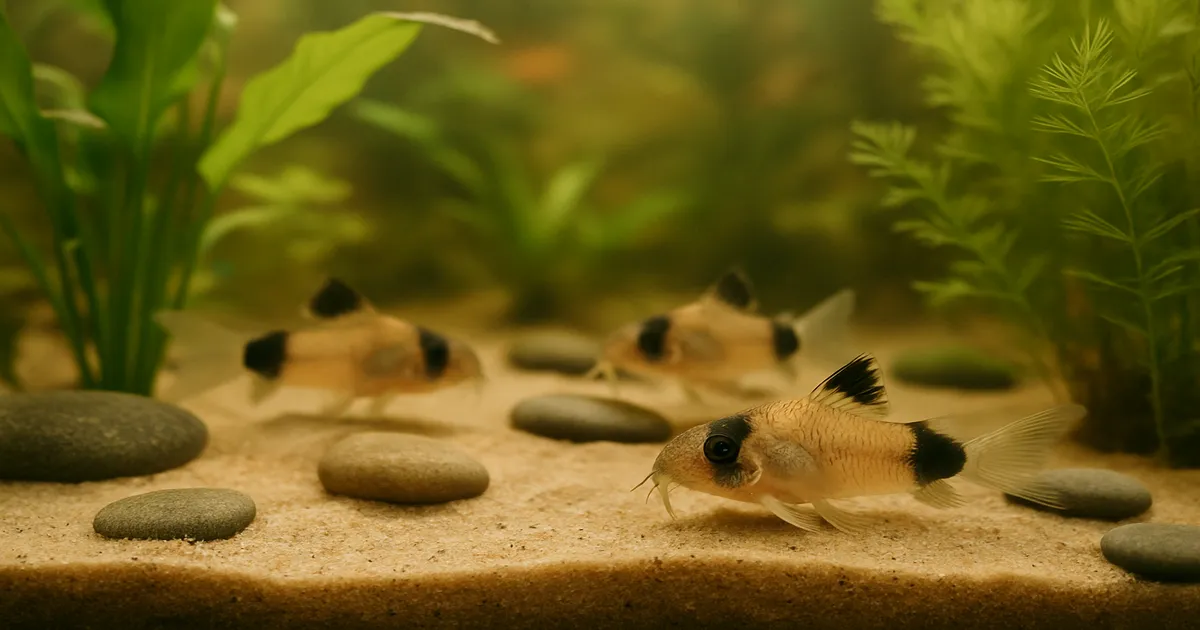
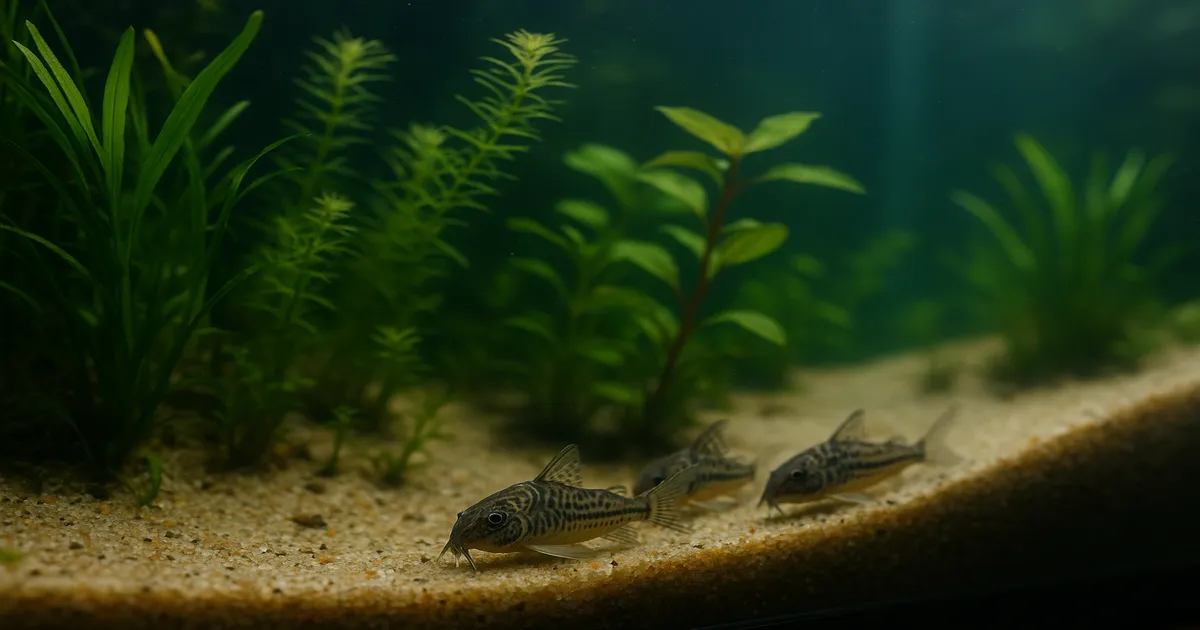
Corydoras forage by pushing their snouts through the substrate and filtering sand over their barbels. Coarse or sharp gravel physically abrades those barbels, leading to bacterial infections and permanent damage. They need 1–2 inches (2.5–5 cm) of fine, smooth sand — pool filter sand (#20 grade) is the gold standard. Depth beyond 2.5 inches doesn’t benefit Corydoras and increases detritus accumulation. Keep it shallow and keep it clean.
African Cichlids
Peacock cichlids (Aulonocara spp.) are active sand-sifters, filtering substrate through their gills to extract invertebrates. They need 2–3 inches (5–7.5 cm) of fine aragonite or crushed coral sand — not just for behaviour, but because aragonite actively buffers pH toward the alkaline conditions (pH 7.8–8.5) these fish require. The sand itself is doing chemistry work in your tank.
Freshwater Stingrays
Potamotrygon rays bury themselves completely in the wild for camouflage and ambush predation. In captivity, if they can’t bury, they don’t just miss enrichment — they experience chronic physiological stress that suppresses feeding and immune function. Minimum depth is 3–4 inches (7.5–10 cm) of very fine, smooth sand, soft enough that the ray’s disc doesn’t abrade against a firm base.
Stingrays also produce significant waste for their size, so deep sand beds in stingray tanks require aggressive surface vacuuming. Their nitrate tolerance is extremely low — ideally under 5 ppm, and never above 10 ppm.
Jawfish
Blue-spotted jawfish (Opistognathus aurifrons) excavate permanent burrows and spend most of their lives hovering at the entrance or retreating inside. Without 4–6 inches (10–15 cm) of substrate, they simply cannot establish a burrow and will die from stress. Use a mix of fine sand and rubble-sized pieces — they use the larger fragments to reinforce burrow walls.
Sand-Sifting Gobies
Valenciennea and Amblygobius gobies continuously process sand to find food, which aerates the substrate and removes detritus. The problem is that in smaller tanks they can deplete microfauna faster than it recovers, effectively crashing a DSB. They work well in systems with a connected refugium that continuously exports fresh microfauna into the display. In a closed system under 100 gallons, think carefully before adding them.
Planted Tanks
Root-feeding plants like swords (Echinodorus), crypts, and Vallisneria need 2–3 inches (5–7.5 cm) of substrate to anchor and access nutrients. The best approach is layered: nutrient-rich substrate (ADA Aqua Soil Amazonia) on the bottom, capped with 0.5–1 inch of inert fine sand on top. Roots reach down to the good stuff while the water column stays clean and algae-free.
How Sand Depth Affects Water Parameters
Corydoras and Loach Tanks
| Parameter | Ideal Range |
|---|---|
| pH | 6.0–7.5 |
| Temperature | 72–79°F (22–26°C) |
| Ammonia | 0 ppm |
| Nitrite | 0 ppm |
| Nitrate | <20 ppm |
Corydoras are sensitive to ammonia and nitrate. A deep, unturned sand bed accumulates decomposing detritus in its lower layers, pushing both parameters up. Keep the sand shallow and vacuum the surface regularly.
African Cichlid Tanks
| Parameter | Ideal Range |
|---|---|
| pH | 7.8–8.5 |
| GH | 10–20 dGH |
| KH | 10–18 dKH |
| Temperature | 76–82°F (24–28°C) |
| Nitrate | <20 ppm (ideally <10 ppm) |
Aragonite dissolves slowly, releasing calcium carbonate that buffers pH upward. At 2–3 inches you have enough material to maintain this effect meaningfully over time. Switch to silica-based sand and you lose that chemistry support entirely — you’d need to compensate with crushed coral in the filter or regular buffer additives.
Freshwater Stingray Tanks
| Parameter | Ideal Range |
|---|---|
| pH | 6.0–7.0 |
| GH | 1–8 dGH |
| Temperature | 75–82°F (24–28°C) |
| Ammonia | 0 ppm |
| Nitrate | <10 ppm (ideally <5 ppm) |
Stingrays are among the most nitrate-sensitive fish you can keep. Their large body surface area means they absorb dissolved waste efficiently, and elevated nitrates cause disc-edge deterioration and immune suppression. Deep sand beds in stingray tanks are counterproductive — the extra depth generates more nitrate-producing waste than it removes.
Marine Deep Sand Beds
A properly established DSB at 4–6 inches creates three distinct zones: an aerobic surface layer (top ~0.5 inch) where oxygen is present, a transition zone in the middle, and a fully anaerobic zone below 2 inches. In that deep anaerobic zone, denitrifying bacteria convert nitrate (NO₃) into nitrogen gas (N₂), which escapes harmlessly from the water. This is genuine biological nitrate removal — not just dilution.
The system only works when the zones remain stable. Disrupting the deep layers, blasting the surface with powerheads, or adding sand-sifting starfish that consume the microfauna can collapse the whole structure.
Choosing the Right Sand Type
Pool Filter Sand and Play Sand
Pool filter sand (#20 grade, ~0.5–1 mm grain size) is the most practical all-purpose freshwater substrate. It’s inert, smooth, affordable, and safe for sensitive species. Play sand works too but needs thorough rinsing — fine silt can cloud water for days if not properly prepared.
Aragonite and Crushed Coral
Aragonite is calcium carbonate-based sand that actively dissolves to buffer pH upward. It’s essential for African cichlid tanks and the standard choice for marine DSBs. Sugar-fine aragonite (0.5 mm) works best for DSBs because the increased surface area supports more bacterial colonisation, while coarser grades suit FOWLR tanks.
Live Sand
Live sand comes pre-seeded with beneficial bacteria and microfauna. It significantly accelerates DSB establishment compared to starting with dry aragonite. For a 4–6 inch DSB, using live sand for at least the top layer gives you a biological head start that dry sand simply can’t match.
Grain Size at a Glance
- 0.1–0.5 mm (sugar fine): Best for jawfish and marine DSBs; compacts too easily for most freshwater setups
- 0.5–1 mm (fine): Ideal for Corydoras, loaches, stingrays, and planted tanks
- 1–2 mm (medium): Good general-purpose freshwater and FOWLR; not ideal for sensitive barbel species
- 2–5 mm (coarse): Suitable for cichlids that prefer a gravel-like texture; too rough for burrowing species
Filtration, Flow, and Maintenance by Sand Depth
Shallow Beds (1–2 Inches)
A hang-on-back or canister filter handles the biological load easily at this depth. Vacuum the surface during every water change — a 25% weekly change with surface vacuuming keeps detritus from building up. No special maintenance protocol needed.
Deep Freshwater Beds
If you’re running deeper sand for stingrays or planted tanks, increase surface agitation to keep oxygen exchange high. Vacuum only the top layer — never dig into the lower layers all at once. Adding burrowing species like Corydoras or kuhli loaches naturally disturbs the substrate and helps prevent compaction. Never use an undergravel filter with fine sand; the grains clog the plates and the system fails.
Marine Deep Sand Beds
The cardinal rule of DSB maintenance: only remove surface debris. The lower layers are a functioning biological system — disturbing them destroys the bacterial zones that took months to establish. Use a turkey baster to blow detritus off the sand surface, then siphon it out of the water column. Leave the sand itself completely undisturbed below the surface.
Flow Patterns
In freshwater tanks, aim for gentle flow that moves water over the sand surface without creating dunes or dead spots. In marine tanks with DSBs, total circulation of 20–40× tank volume per hour is appropriate for the system as a whole, but the flow pattern should be laminar — passing over the sand bed, not blasting down into it.
Which Species Help or Harm Your Sand Bed
Freshwater Species That Keep Sand Healthy
- Corydoras catfish — constant gentle sifting aerates the top layer
- Kuhli loaches — burrow through the substrate, preventing compaction
- Apistogramma — occasional digging without destabilising the bed
- Freshwater gobies — light substrate sifters
Freshwater Species That Destabilise Sand Beds
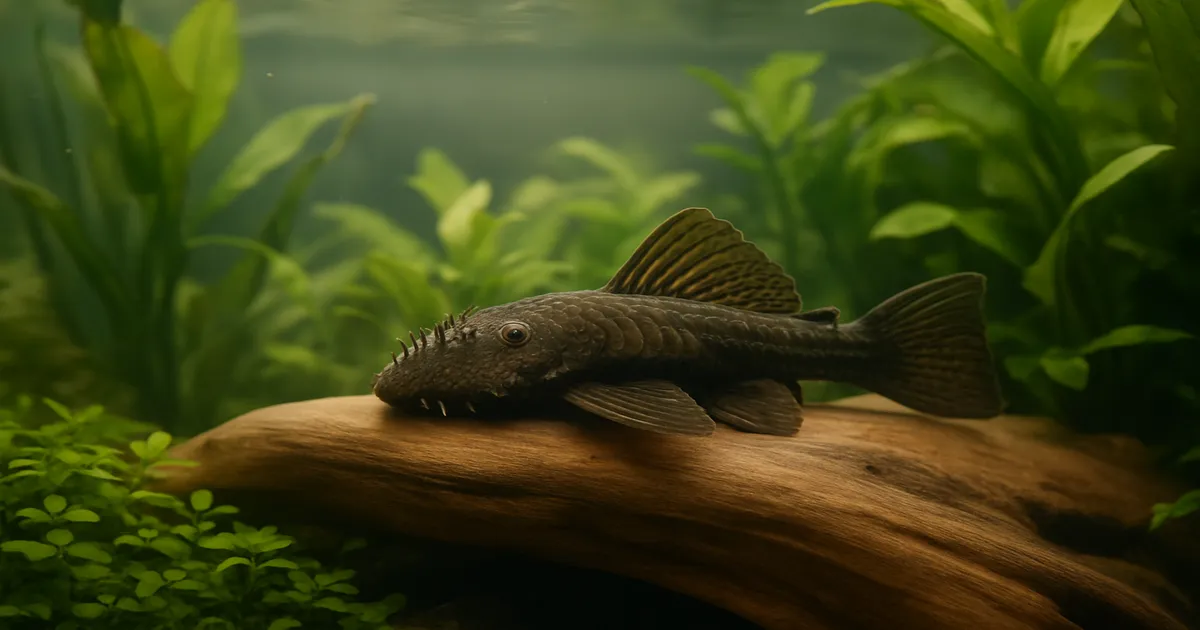
- Large plecos — powerful fin movements create sandstorms and displace substrate
- Goldfish — relentless diggers that uproot plants and increase turbidity
- Oscars — aggressive rearrangers that expose lower substrate layers
Marine Clean-Up Crew for Deep Sand Beds
- Nassarius snails — emerge to scavenge at feeding time, aerating the surface layer
- Cerith snails — burrow through sand, preventing compaction without crashing microfauna populations
- Sand-sifting sea cucumbers (Holothuria spp.) — process large volumes of sand but should only be added to mature, well-established DSBs with robust microfauna populations
Frequently Asked Questions
Can I add more sand to an established tank? Yes, but do it gradually. Add small amounts at a time and rinse thoroughly first. Dumping a large volume of new sand at once can spike ammonia as it disturbs settled detritus and introduces new organic material. Spread additions over several weeks if you’re significantly increasing depth.
How much sand is too much sand for a 10-gallon tank? In a 10-gallon, anything over 1.5 inches is excessive for a standard community setup. The tank volume is too small to tolerate the nitrate accumulation that deeper beds produce, and there’s rarely enough biological activity to keep a thick bed stable. Stick to 1–1.5 inches and keep it clean.
Does more sand mean better biological filtration in freshwater? Not beyond a certain point. In freshwater, the biological filtration benefit of sand plateaus at around 1–2 inches. Beyond that, you’re adding risk — anaerobic zones, detritus accumulation, H₂S pockets — without meaningful filtration gains. Your filter media does the heavy lifting; the sand is supplementary.
How do I know if my sand depth is correct for my fish? Watch behaviour. Burrowing species that can’t bury are stressed — they’ll pace the bottom, refuse to settle, and often stop eating. Corydoras with damaged barbels indicate substrate that’s too coarse or too dirty, not necessarily too deep. If your fish are behaving naturally, foraging, and showing no signs of stress, your depth is working.
Should I use a sand calculator to figure out how many pounds I need? Yes — it’s the most reliable method. Measure your tank’s footprint in inches (length × width), multiply by your target depth in inches, then divide by 231 to get cubic inches, and convert to pounds based on your sand type (dry aragonite runs roughly 100 lb per cubic foot; pool filter sand is similar). Most substrate manufacturers also provide online calculators specific to their products.